







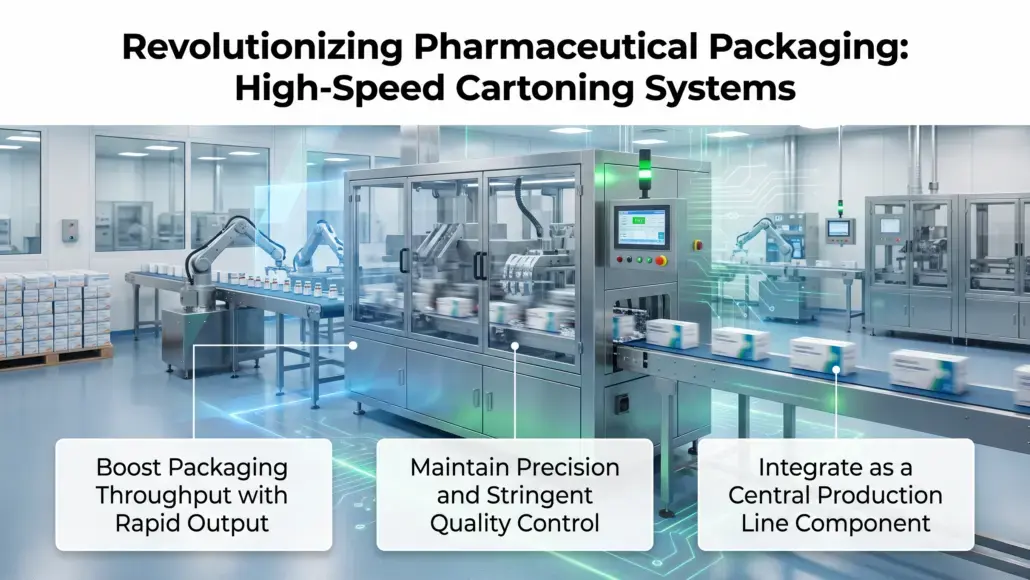
The pharmaceutical manufacturing environment demands an unprecedented level of precision and speed to meet global healthcare requirements. The transition toward high-speed cartoning systems increasing pharmaceutical packaging throughput represents a fundamental shift in how secondary packaging operations are managed. These systems are no longer merely peripheral equipment but are central components of a highly integrated production line that must balance rapid output with the stringent quality standards inherent in medical production. Achieving these targets requires a deep understanding of mechanical dynamics, material science, and digital integration. The operational capacity of a facility is often dictated by the slowest point in the process, and historically, the transition from primary containers to secondary cartons has been a bottleneck. By implementing advanced cartoning architectures, manufacturers can align their packaging speeds with the output of high volume fillers and tablet presses, ensuring that the entire manufacturing value chain operates at peak performance.
Mechanical Precision and Synchronization in Modern Cartoning
The mechanical architecture of modern cartoning equipment has evolved significantly to handle the stresses of high velocity operation. Traditional intermittent motion machines often struggle with the physical limitations of starting and stopping heavy mechanical components, which can lead to excessive wear and potential damage to fragile pharmaceutical products. In contrast, continuous motion high-speed cartoning systems increasing pharmaceutical packaging throughput utilize sophisticated rotary feeders and barrel cam designs to maintain a constant flow of materials. This approach minimizes the inertial forces acting on the products and the machine itself, allowing for smoother transitions and higher cycles per minute. Synchronization between the product infeed and the carton transport system is managed through precision timing belts and high resolution encoders that provide real time feedback to the central processing unit. This mechanical harmony is essential for preventing jams and ensuring that each product is accurately placed within its designated carton without the risk of crushing or misalignment.
The use of servo technology has further refined these mechanical processes by replacing traditional mechanical linkages with independent electronic controls. Servo motors allow for granular adjustments to the motion profile of every component, from the carton erectors to the closing flaps. This level of control means that the machine can adapt to slight variations in carton quality or thickness without requiring manual intervention. Additionally, the reduction in mechanical parts leads to lower maintenance requirements and decreased downtime, which is a critical factor when evaluating the total cost of ownership for these high performance systems. The integration of these high speed systems into the production line also necessitates a focus on the structural integrity of the cartons themselves. Advanced feeding mechanisms must be capable of picking and erecting cartons at rates exceeding several hundred units per minute, requiring vacuum systems with rapid response times and high reliability to ensure that no cycles are missed.
Integration of Digital Control Systems and Real Time Monitoring
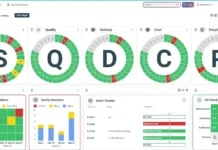
Digitalization is the backbone of modern pharmaceutical packaging lines. The implementation of these advanced platforms is heavily dependent on the ability of the control system to process vast amounts of data in milliseconds. Programmable Logic Controllers (PLCs) and Human Machine Interfaces (HMIs) have become more intuitive and powerful, providing operators with comprehensive visibility into every aspect of the cartoning process. Real time monitoring systems utilize a network of sensors and vision systems to verify that each carton contains the correct product, inserts, and labeling information. If a discrepancy is detected, the system can automatically reject the non compliant unit without stopping the entire production line, thereby maintaining high throughput levels. This level of automated oversight is vital for complying with Good Manufacturing Practices (GMP) and ensuring that only high quality products reach the patient.
Advanced analytics are also playing a larger role in predictive maintenance and operational optimization. By collecting data on motor torque, temperature, and vibration levels, manufacturers can identify potential mechanical failures before they occur. This proactive approach to maintenance prevents unplanned downtime and extends the lifespan of the equipment. Additionally, the connectivity of these systems allows for remote diagnostic support and software updates, ensuring that the equipment remains at the leading edge of technology. The data generated by these high performance units can be integrated into Enterprise Resource Planning (ERP) systems, providing management with accurate information on production rates, yield, and overall equipment effectiveness. This data driven approach enables continuous improvement initiatives and helps manufacturers identify areas where further efficiency gains can be achieved.
Material Handling Innovations for Fragile Pharmaceutical Formulations
Handling pharmaceutical products at high speeds presents unique challenges, particularly when dealing with fragile items such as glass vials, pre filled syringes, or delicate blister packs. The physical contact between the product and the machine must be carefully managed to avoid breakage or surface damage. Modern systems utilize specialized infeed conveyors and robotic pick and place units that are designed with soft touch materials and precision grippers. These innovations allow for the gentle handling of products even at high velocities, ensuring that the integrity of the primary container is never compromised. The transition from the primary packaging line to the cartoner is a critical juncture where many defects can occur, making the design of the transfer mechanism a top priority for engineers.
In addition to protecting the product, high output cartoning equipment must also accommodate a wide variety of secondary packaging materials. The rise of sustainable packaging has led to the introduction of new paperboard formulations and recycled materials, which can have different physical properties compared to traditional virgin fiber boards. Cartoning equipment must be flexible enough to handle these variations without sacrificing speed or accuracy. Adjustments to vacuum pressure, folding force, and adhesive application are often necessary to ensure that the final package is secure and aesthetically pleasing. The ability to handle diverse materials is a key competitive advantage in an industry that is increasingly focused on environmental responsibility and brand differentiation.
Addressing Changeover Complexity in High Volume Manufacturing
One of the most significant challenges in pharmaceutical packaging is the need to switch between different products and carton sizes efficiently. In a high volume manufacturing environment, every minute spent on changeover is a minute of lost production. Advanced cartoning platforms address this issue through modular designs and automated adjustment features. Tool-less changeovers allow operators to swap out format parts quickly and easily, while motorized adjustment points can be controlled directly from the HMI. This reduces the risk of human error and ensures that the machine is perfectly calibrated for the new format from the very first unit produced.
The concept of “plug and play” modularity is becoming increasingly popular, allowing manufacturers to add or remove features such as leaflet inserters, coding systems, or tamper evident labeling modules as needed. This flexibility ensures that the investment in high speed equipment remains relevant even as product portfolios and regulatory requirements change. Additionally, the use of standardized components and interfaces simplifies the training process for operators and maintenance staff, leading to a more versatile workforce. By reducing the time and complexity of changeovers, manufacturers can achieve higher levels of agility and responsiveness to market demands, which is essential in the fast paced pharmaceutical sector.
Future Regulatory Compliance and Validation Standards
The regulatory environment for pharmaceutical packaging is constantly evolving, with a growing focus on patient safety, anti counterfeiting measures, and environmental sustainability. High output packaging systems must be designed with these requirements in mind to ensure long term compliance. Validation is a rigorous process that involves proving that the equipment consistently produces results that meet predefined specifications. Advanced cartoning systems simplify this process by providing detailed audit trails, electronic signatures, and comprehensive documentation packages that align with 21 CFR Part 11 and other international standards. This transparency is crucial for successful inspections and for maintaining the trust of regulatory authorities and patients alike.
Looking forward, the integration of artificial intelligence and machine learning into cartoning systems promises even greater levels of efficiency and quality control. These technologies can analyze historical production data to optimize machine settings and predict the impact of environmental factors such as humidity or temperature on packaging performance. Additionally, the adoption of universal communication standards like OPC UA and PackML enables better interoperability between different pieces of equipment on the production line, creating a truly connected smart factory. As the industry continues to advance, the role of high-speed cartoning systems increasing pharmaceutical packaging throughput will remain vital, providing the foundation for a safe, efficient, and resilient pharmaceutical supply chain.
The commitment to technical excellence and continuous innovation in this field is a testament to the industry’s dedication to improving global health outcomes through superior packaging solutions. This long term perspective on infrastructure investment ensures that the pharmaceutical sector can adapt to future pandemics or shifts in global demand with agility. Maintaining a competitive edge requires a holistic view of the packaging process, where high speed and high quality are not mutually exclusive but are complementary goals achieved through engineering excellence. The integration of advanced diagnostics and predictive maintenance will further reduce the environmental impact of manufacturing by minimizing waste and energy consumption. As manufacturers strive for carbon neutrality, the efficiency of secondary packaging lines will play a significant role in achieving these sustainability targets. The evolution of cartoning technology is thus inextricably linked to the broader goals of the global pharmaceutical industry, bridging the gap between scientific innovation and patient access. The continuous refinement of these processes will ensure that life saving medications are delivered to those who need them most efficiently. This commitment to engineering excellence is a cornerstone of modern healthcare logistics and supply chain management.
By focusing on these critical infrastructure components, manufacturers can guarantee the long term viability of their operations in a demanding global market. The pursuit of efficiency in the packaging hall is a direct contribution to the overall stability and reliability of the pharmaceutical ecosystem. This analytical focus on throughput and quality remains a top priority for industry leaders worldwide. Strategic investments in these systems allow for a more resilient response to market fluctuations and emerging therapeutic trends. The synergy between high speed mechanical components and intelligent software control represents the pinnacle of contemporary industrial design.
As the industry moves toward more personalized medicine and smaller batch sizes, the flexibility of high speed systems will become even more critical for maintaining economic viability. The integration of these advanced platforms into the broader digital factory environment will facilitate a new era of transparency and efficiency in drug delivery. Through these efforts, the pharmaceutical industry continues to uphold its promise to improve the quality of life for patients across the globe.