


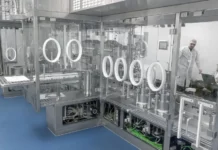





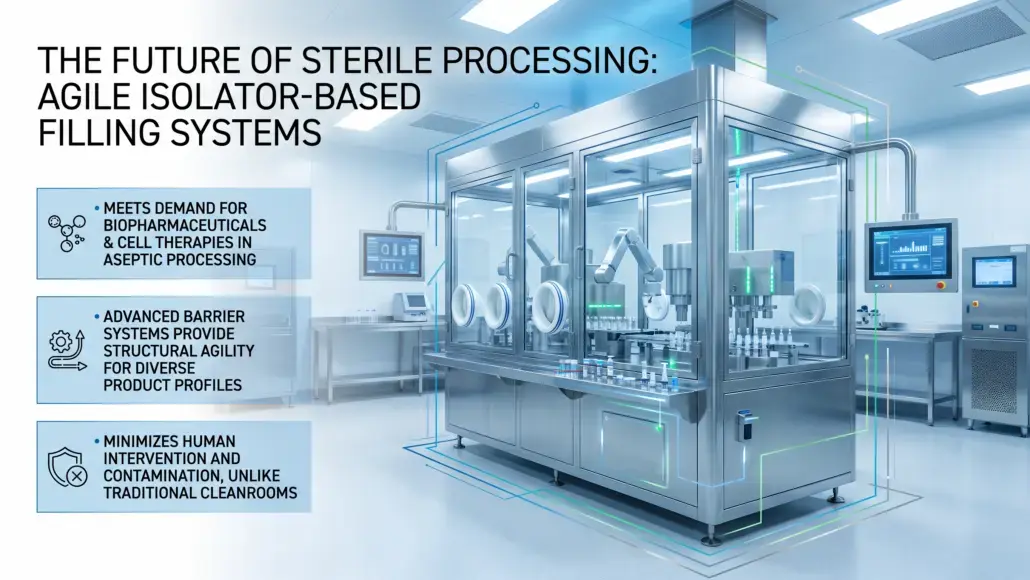
The demand for sterile injectable drugs, particularly biopharmaceuticals and cell therapies, has necessitated a fundamental shift in how aseptic processing is managed within the pharmaceutical industry. This trend has led to the adoption of advanced barrier systems that provide the structural agility required to handle diverse product profiles without the prohibitive costs of dedicated lines. Unlike traditional cleanrooms where human intervention is the primary source of contamination, these systems create a controlled, enclosed environment that can be effectively sterilized and maintained at a specific overpressure. The separation of the product from potential contaminants is essential for ensuring patient safety and meeting the increasingly stringent requirements of global regulatory bodies. By eliminating the direct interface between personnel and the filling line, manufacturers can achieve a sterility assurance level (SAL) that is significantly superior to conventional operations.
Modern pharmaceutical facilities are moving away from traditional aseptic techniques in favor of this technology due to the inherent risks associated with human presence in the grade A zone. Human operators shed thousands of skin cells and microorganisms every minute, making them the most significant risk factor in a sterile environment. The isolator-based filling addresses this by encapsulating the entire fill-finish process within a stainless steel and glass housing, where all manipulations are performed through glove ports or, increasingly, via automated robotic systems. This high degree of isolation allows for the processing of potent compounds and highly sensitive biologicals that would otherwise be susceptible to degradation or contamination. The integrity of the barrier is monitored continuously, with sensors tracking pressure differentials, air velocity, and particulate counts to ensure that the environment remains within the validated operating range throughout the production cycle.
Technical Design and Decontamination Protocols
The effectiveness of this aseptic processing method is largely dependent on the precision of its design and the rigor of its decontamination protocols. One of the most critical components of these systems is the Vaporized Hydrogen Peroxide (VHP) decontamination cycle, which is used to achieve a 6-log reduction in microbial population before production begins. The design of the unit must facilitate the uniform distribution of VHP to all internal surfaces, including complex mechanical parts of the filling machinery. Airflow dynamics within the chamber are carefully engineered to maintain laminar flow, which helps in the rapid removal of particulates and ensures that the sterile air remains in constant motion. The integration of high-efficiency particulate air (HEPA) filters at both the supply and exhaust points further guarantees the purity of the internal atmosphere, creating a self-contained ecosystem that is resilient to external fluctuations.
Beyond decontamination, the mechanical configuration of the equipment must be optimized for remote operation. This involves the use of specialized conveyors, filling needles, and stoppering stations that can be easily cleaned and sterilized. Additionally, automated weight inspection systems are often integrated into these lines to provide real-time verification of fill volumes without the need for manual sampling, which further reduces the risk of breaching the sterile barrier. The transition to gloveless units represents a significant advancement in this field, as it removes the most vulnerable part of the system, the gloves themselves. By relying entirely on robotics for interventions and maintenance, manufacturers can further enhance the reliability of the aseptic process and reduce the downtime associated with glove integrity testing and replacement.
Operational Efficiency and Risk Mitigation Strategies
While the primary goal of this technology is sterility, it also offers significant operational advantages that contribute to the overall efficiency of pharmaceutical packaging. The ability to maintain a sterile environment for extended periods allows for longer production runs and fewer interventions, which translates to higher throughput and reduced product loss. Risk mitigation is also built into the system through advanced monitoring and control interfaces that allow operators to supervise the process from a safe distance. In the event of a technical issue, diagnostic tools can identify the problem without requiring a breach of the unit, allowing for targeted interventions that minimize the impact on the production schedule. This proactive approach to risk management is essential for maintaining the continuous supply of critical medicines to the market.
The modularity of modern barrier designs also allows for greater flexibility in facility layout and process flow. Manufacturers can choose between small-scale units for clinical trials and high-speed, multi-line systems for commercial production, all while utilizing the same core technology. This scalability ensures that the aseptic process can evolve alongside the drug development pipeline, reducing the cost and complexity of technological transfers. Additionally, the use of single-use technologies within the unit, such as disposable filling manifolds and tubing, further simplifies the cleaning and validation process. By reducing the reliance on complex clean-in-place (CIP) and steam-in-place (SIP) systems, manufacturers can decrease their utility consumption and environmental footprint, making the packaging operation more sustainable in the long term.
Regulatory Compliance and Annex 1 Alignment
Regulatory agencies worldwide have recognized the benefits of barrier technology and are increasingly encouraging its adoption through updated guidelines. The revision of EU GMP Annex 1, for example, emphasizes the importance of utilizing these methods to minimize human intervention in aseptic processes. The isolator-based filling is explicitly cited as a preferred method for achieving the required levels of environmental control and sterility assurance. Compliance with these new standards requires a comprehensive understanding of contamination control strategies (CCS), which must be integrated into the design and operation of the facility from the outset. Manufacturers must provide detailed validation data demonstrating the effectiveness of their decontamination cycles, the integrity of their systems, and the resilience of their environmental monitoring programs.
The global nature of pharmaceutical manufacturing means that facilities must often comply with multiple regulatory frameworks simultaneously. The adoption of this isolation technology provides a standardized approach to aseptic processing that is recognized and accepted by the FDA, EMA, and other major health authorities. This regulatory alignment simplifies the approval process for new manufacturing sites and reduces the risk of compliance issues during inspections. Additionally, the detailed audit trails and data logging capabilities inherent in modern systems provide a transparent record of the production environment, ensuring that every batch can be traced back to a validated state. As the industry continues to move toward more complex and sensitive therapies, the role of isolator-based filling as a cornerstone of regulatory compliance will only continue to grow.
Human Factors and Ergonomic Design in Barrier Systems
Despite the move toward full automation, the role of the human operator remains a critical consideration in the design of these sterile systems. For units that still utilize glove ports, ergonomic design is essential for preventing operator fatigue and ensuring that tasks can be performed safely and efficiently. The placement of glove ports must be carefully planned to provide adequate reach and visibility, while the height of the work surface should be adjustable to accommodate different operators. Advanced visualization tools, such as cameras and monitors integrated into the housing, can provide a clearer view of the process, reducing the strain on the operator’s eyes and neck. By prioritizing ergonomics, manufacturers can improve the reliability of manual interventions and reduce the risk of errors that could lead to a breach of the barrier.
The psychological impact of working with highly restrictive systems is also an important factor in facility management. Operators must undergo extensive training to become proficient in performing complex tasks through glove ports, a process that requires patience and precision. The use of virtual reality (VR) and augmented reality (AR) training simulations can help in developing these skills in a safe and controlled environment, reducing the time and cost of on-site training. As the industry moves toward gloveless units, the focus of the human role will shift from manual manipulation to system supervision and maintenance. This transition requires a new set of skills, emphasizing data analysis and robotic programming. By investing in the training and development of their technical teams, pharmaceutical companies can ensure that they are prepared for the challenges of a more automated and isolated manufacturing environment.
Future Trends in Gloveless and Robotic Isolators
The future of this sterile processing method lies in the continued integration of automation and robotics, leading to the development of fully autonomous aseptic lines. Gloveless designs, which eliminate the need for manual ports entirely, represent the next frontier in sterility assurance. These systems rely on advanced robotic arms to perform all tasks, from loading components to troubleshooting mechanical failures. The removal of human operators from the immediate vicinity of the filling line significantly reduces the risk of contamination and allows for the processing of even more sensitive or hazardous materials. As robotic technology becomes more sophisticated and cost-effective, we can expect to see a wider adoption of these systems across the industry, particularly in the production of high-value biopharmaceuticals.
Artificial intelligence and machine learning will also play an increasing role in the management of these units. By analyzing the vast amounts of data generated during the production process, these technologies can identify subtle deviations that might indicate a potential failure before it occurs. Predictive maintenance algorithms can schedule service for mechanical components based on actual wear and tear, rather than arbitrary time intervals, further reducing downtime and improving OEE. The combination of robotic hardware and intelligent software will create a highly resilient and efficient packaging environment that is capable of meeting the challenges of 21st-century medicine. As manufacturers continue to invest in these advanced technologies, the safety and efficacy of pharmaceutical products will reach new heights, ensuring that patients receive the life-saving treatments they need with the highest possible level of quality assurance. The implementation of isolator-based filling remains the most effective strategy for ensuring the sterility of critical injectable medicines.