








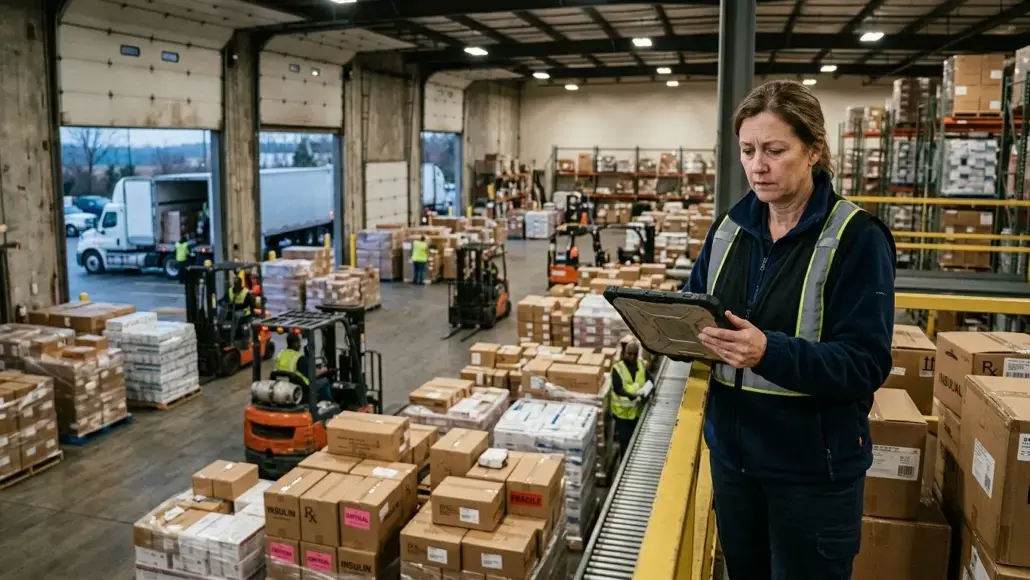
The global pharmaceutical industry is currently facing a critical period of self reflection regarding the stability and reliability of its logistics networks. For years, the sector prioritized cost optimization and just in time manufacturing, leading to a highly centralized and lean distribution model. While this approach was efficient under stable conditions, the recent wave of global disruptions has exposed deep seated vulnerabilities that threaten the availability of life saving medications. The frequency of drug shortages has reached levels that compromise patient safety and clinical outcomes, making it clear that the current state of pharma supply chain resilience demands immediate action from both industry leaders and regulatory bodies.
Building a more secure environment for medicine delivery requires a shift away from short term financial gains toward long term stability and redundancy. The reliance on a narrow set of geographic regions for the production of active pharmaceutical ingredients has created a single point of failure that is increasingly difficult to defend. To ensure the continuous flow of essential drugs, the industry must diversify its manufacturing base, invest in advanced monitoring technologies, and foster a more collaborative relationship between all stakeholders in the value chain. This is not merely an operational challenge; it is a fundamental requirement for maintaining public trust and ensuring national health security.
The Risks of Geopolitical Concentration in API Sourcing
A significant portion of the global supply of active pharmaceutical ingredients is concentrated in a few key nations, primarily due to lower labor and environmental compliance costs. While this has helped keep drug prices down, it has also made the pharmaceutical supply chain highly susceptible to regional instability, trade disputes, and natural disasters. When a major production hub goes offline, the ripple effects are felt across the entire globe, leading to critical shortages of everything from common antibiotics to specialized oncology treatments.
Addressing this concentration is a top priority for those advocating for enhanced medicine security. We are seeing a growing movement toward “near shoring” and “friend shoring,” where companies seek to establish manufacturing facilities in regions that are geographically closer to their end markets or in countries with stable diplomatic relations. This move toward geographic diversification is a key component of a modern supply chain risk management strategy. While building new production capacity is expensive and time consuming, the cost of inaction, measured in lost lives and economic disruption, is far higher.
Implementing Advanced Monitoring for Real Time Visibility
One of the greatest hurdles to achieving a resilient supply chain is the lack of real time visibility into the movement of materials and products. Many companies still rely on fragmented data systems that do not communicate effectively with one another, creating blind spots where disruptions can go unnoticed for weeks. To correct this, the industry is increasingly turning to digital tools that provide a continuous, end to end view of the distribution network.
By integrating IoT sensors and blockchain technology into pharmaceutical logistics, companies can track the location and condition of their products with high precision. This is particularly important for temperature sensitive biologics and vaccines, where even a minor deviation from the required storage conditions can render a product useless. Real time monitoring allows for immediate intervention when a shipment is delayed or compromised, reducing waste and ensuring that patients receive safe and effective medications. Additionally, this data can be used to build predictive models that identify potential bottlenecks before they lead to a full scale shortage, allowing for a more proactive approach to supply management.
Strengthening Drug Shortage Prevention Through Regulatory Reform
Regulatory agencies are also playing a more active role in promoting supply chain stability. Governments around the world are implementing new requirements for manufacturers to provide detailed reports on their supply chain risks and to maintain larger safety stocks of essential medicines. These mandates are intended to ensure that the industry is better prepared for sudden spikes in demand or unexpected interruptions in production.
Drug shortage prevention is no longer just a voluntary goal; it is becoming a regulatory necessity. We are seeing the introduction of “early warning systems” where manufacturers are required to notify authorities at the first sign of a potential supply issue. This allows regulators to work with other manufacturers to ramp up production or to expedite the approval of alternative suppliers. By creating a more transparent and responsive regulatory environment, we can mitigate the impact of disruptions and ensure that the most vulnerable patients are protected from the consequences of market volatility.
The Role of CDMO Supply Strategy in Building Redundancy
Contract development and manufacturing organizations are essential partners in the quest for a more resilient supply chain. Many pharmaceutical companies rely on CDMOs for the production of their drug substances and finished products, making the stability of these partners a critical factor in overall medicine security. A successful CDMO supply strategy must prioritize transparency, quality, and the ability to scale production rapidly in response to changing market needs.
We are seeing a shift toward more strategic, long term partnerships between pharma companies and their contract manufacturers. Instead of constantly switching suppliers in search of the lowest price, companies are focusing on building deep relationships with a few trusted partners who can provide a high level of reliability and flexibility. This includes investing in “dual sourcing” strategies, where a company maintains contracts with multiple manufacturers for the same product to ensure that they have a backup if one site goes down. This level of redundancy is a vital part of building a supply chain that can withstand the shocks of the modern world.
Enhancing Healthcare Resilience Through Collaborative Planning
The challenges facing the pharmaceutical supply chain cannot be solved by any single organization acting alone. It requires a collaborative effort that includes manufacturers, distributors, healthcare providers, and government agencies. By sharing information and coordinating their efforts, these stakeholders can build a more integrated and responsive system that prioritizes the needs of the patient above all else.
One area where collaboration is particularly important is in the development of “essential medicine lists.” By identifying the drugs that are most critical to public health, stakeholders can focus their efforts on ensuring that the supply chains for these specific products are as durable as possible. This includes creating strategic national stockpiles and investing in domestic manufacturing capacity for key ingredients. This collective approach to healthcare resilience is essential for protecting society from the risks of a globalized and interconnected supply network.
Investing in Continuous Manufacturing and New Technologies
Traditional batch manufacturing is inherently slow and inflexible, making it difficult for the industry to respond quickly to sudden changes in demand. To address this, there is significant interest in continuous manufacturing, where materials are fed through a single, automated system that produces the final product in one continuous stream. This technology can significantly reduce lead times and allow for more localized production, making the supply chain more agile and resilient.
Beyond manufacturing, the industry is also exploring the use of 3D printing for the production of specialized medications at the point of care. While this technology is still in its early stages, it offers a glimpse of a future where drugs can be produced on demand in hospitals or pharmacies, bypassing the traditional distribution network entirely. By embracing these and other innovative technologies, the pharmaceutical sector can build a more flexible and decentralized supply chain that is better suited to the challenges of the 21st century.
The Economic Case for Prioritizing Supply Chain Stability
While the investments required to build a resilient supply chain are significant, the economic benefits are equally compelling. Drug shortages cost the global healthcare system billions of dollars each year in increased labor costs, wasted resources, and the expense of managing patient complications. By reducing the frequency and severity of these shortages, the industry can create a more stable and predictable economic environment for everyone involved.
Additionally, a reputation for reliability is a major competitive advantage in the pharmaceutical market. Patients, providers, and payers are increasingly looking for partners who can guarantee the availability of their products, even in times of crisis. Companies that prioritize supply chain resilience will be better positioned to win market share and to build long term value for their shareholders. The move toward a more secure supply chain is not just a moral obligation; it is a sound business strategy that will pay dividends for years to come.
Conclusion and Call to Strategic Action
In summarizing the current situation, it is clear that the status quo is no longer tenable. The vulnerabilities in the global pharmaceutical logistics network have been laid bare, and the cost of inaction is too high to ignore. The need for enhanced supply chain resilience demands immediate action across the entire life sciences ecosystem.
This requires a commitment to transparency, an investment in new technologies, and a willingness to rethink the fundamental principles of pharmaceutical manufacturing and distribution. By working together to build a more secure and responsive system, we can ensure that the promise of modern medicine is not undermined by the limitations of the supply chain. The path forward is challenging, but the goal of a more resilient and reliable healthcare system is well within our reach if we act now with urgency and purpose.