




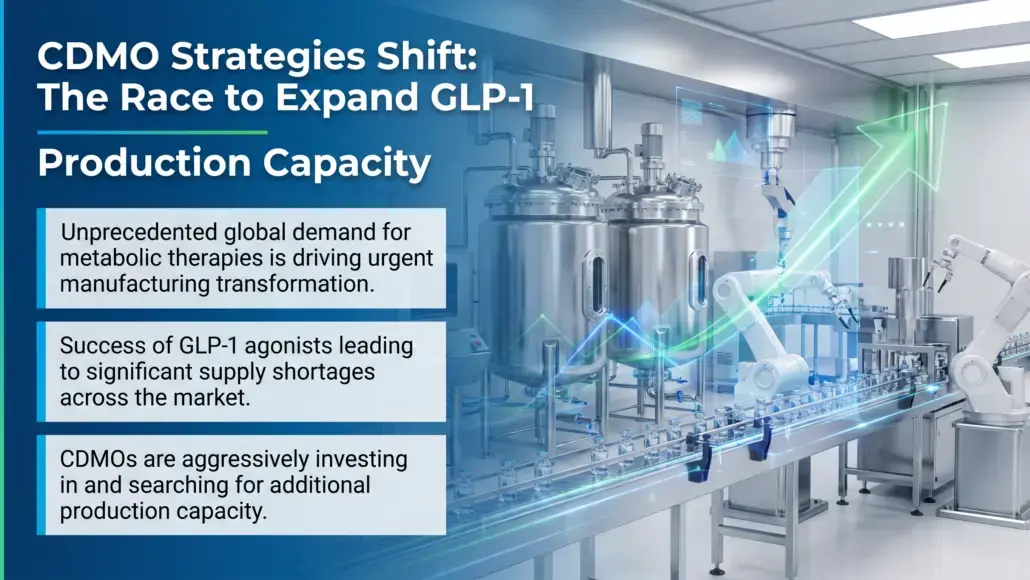
The pharmaceutical manufacturing sector is currently undergoing a massive transformation as it races to meet the unprecedented global demand for metabolic therapies. Glucagon-like peptide 1 receptor agonists have emerged as one of the most successful drug classes in recent history, leading to significant supply shortages and a frantic search for additional production capacity. As a result, GLP-1 capacity expansion reshaping CDMO manufacturing is now a central theme in the business strategies of both primary drug developers and their contract manufacturing partners. This expansion is not limited to simple facility growth; it involves the integration of advanced technologies and the optimization of every stage of the production process. The massive capital investment being channeled into the CDMO sector reflects the long-term potential of the metabolic market and the need for a more resilient and scalable manufacturing infrastructure. This shift is redefining the relationship between pharmaceutical companies and their external partners, as the ability to secure and maintain production capacity becomes a vital competitive advantage. The commitment to large-scale capacity expansion is a clear signal that the industry is preparing for a future where metabolic treatments are a standard component of global healthcare.
Capital Expenditure Growth For Specialized Pharmaceutical Facility Upgrades
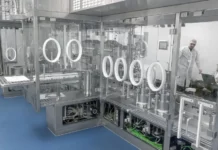
The sheer volume of GLP-1 agonists required to meet market demand has led to a surge in capital expenditure across the pharmaceutical industry. Much of this investment is focused on upgrading existing facilities or building new ones that are specifically designed for the production of sterile injectable peptides. The role of GLP-1 capacity expansion reshaping CDMO manufacturing is clearly visible in the construction of massive new cleanroom environments and the installation of state-of-the-art fill-finish lines. These specialized upgrades are necessary to handle the unique requirements of GLP-1 formulations, which must be produced under strict environmental controls to ensure sterility and stability. The cost of these facility upgrades can run into the hundreds of millions of dollars, reflecting the high stakes involved in the metabolic sector. Pharmaceutical companies are increasingly providing financial support or long-term volume commitments to their CDMO partners to facilitate these investments.
Beyond the physical structure of the buildings, these facility upgrades also include the implementation of advanced environmental monitoring and control systems. These tools provide real-time data on air quality, temperature, and humidity, ensuring that the production environment remains within the required specifications. The use of GLP-1 capacity expansion reshaping CDMO manufacturing in this context is about creating a more reliable and consistent production platform. The investment in these high-tech facilities also helps to reduce the risk of batch contamination or equipment failure, which can lead to costly delays and supply interruptions. As the industry moves toward even more complex metabolic therapies, the need for these specialized facilities will only continue to grow. The ability of CDMOs to deliver these upgrades on time and within budget is a critical factor in the overall success of the metabolic drug market. The current wave of capital investment is laying the foundation for a more reliable and scalable manufacturing ecosystem that will serve the needs of patients for years to come.
Bioprocess Optimization Enhancing Yield For Large-Scale Peptide Production
Increasing the physical capacity of manufacturing facilities is only one part of the solution to the supply challenge. To truly meet the needs of the market, pharmaceutical companies and their CDMO partners are also focused on bioprocess optimization to enhance the yield of each production cycle. This involves refining the chemical and biological processes used to synthesize and purify the GLP-1 peptide, ensuring that as much active ingredient as possible is recovered from each batch. The impact of GLP-1 capacity expansion reshaping CDMO manufacturing is evident in the adoption of new synthesis methods that are more efficient and less resource-intensive. By optimizing factors such as reaction times, temperature, and reagent concentrations, researchers can significantly increase the productivity of their manufacturing lines. This focus on yield optimization is essential for reducing the cost of production and making these therapies more accessible to a wider patient population.
Advanced analytical tools are also being used to monitor the bioprocessing stages in real-time, providing insights that can be used to make immediate adjustments. This level of process control helps to ensure that the final product consistently meets the highest standards of purity and potency. The role of GLP-1 capacity expansion reshaping CDMO manufacturing is to provide the technological framework for these optimizations, allowing for a more data-driven and efficient approach to manufacturing. The expertise of CDMOs in managing complex bioprocesses is a significant asset in this effort, as they can draw on their experience across a wide range of therapeutic areas. The ongoing refinement of these production methods is not only increasing the volume of GLP-1 available but also improving the sustainability of the manufacturing process by reducing waste and energy consumption. As the industry continues to innovate in this area, we can expect to see further improvements in manufacturing efficiency and product quality. The commitment to continuous process improvement is a key driver of long-term success in the metabolic market, ensuring that production can keep pace with the growing global demand.
Strategic Alliances Accelerating Production Timelines For Market Leaders
The urgency of the supply situation has led to the formation of strategic alliances between pharmaceutical companies and their manufacturing partners that go far beyond traditional transactional relationships. These alliances are designed to accelerate the timeline for capacity expansion, allowing for a more rapid response to market needs. The role of GLP-1 capacity expansion reshaping CDMO manufacturing is central to these partnerships, as both parties work together to design, build, and validate new production lines in record time. By sharing resources and expertise, these organizations can overcome the logistical and regulatory hurdles that often slow down facility expansion. These strategic alliances also provide a mechanism for sharing the financial risks associated with massive capital investments, ensuring that both parties are aligned in their goals.
These collaborations often involve the co-development of new manufacturing technologies or the implementation of shared quality management systems. This level of integration helps to ensure a smooth transition from development to commercial production, reducing the risk of delays during the scale-up process. The use of GLP-1 capacity expansion reshaping CDMO manufacturing as a framework for these alliances allows for a more agile and responsive manufacturing network. This is particularly important for market leaders who need to maintain their competitive edge by ensuring a consistent and reliable supply of medication. The ability to form and manage these complex partnerships is a critical competency for any pharmaceutical organization looking to succeed in the metabolic sector. As the market continues to evolve, we can expect to see even more sophisticated and long-term collaborations that will further transform the manufacturing environment. These strategic alliances are not just a response to a current crisis but a new model for how high-volume therapies are produced and delivered to patients.
Technological Adoption In Automated Inspection And Assembly Systems
As production volumes for GLP-1 agonists continue to rise, the challenge of maintaining quality control at scale becomes increasingly difficult. To address this, CDMOs are increasingly adopting automated inspection and assembly systems that can process thousands of doses per hour with unprecedented precision. The role of GLP-1 capacity expansion reshaping CDMO manufacturing in this area is to provide the technological platform for these advanced systems. Automated visual inspection tools utilize high-speed cameras and artificial intelligence to detect even the smallest defects in a vial or a pre-filled syringe. This level of scrutiny is impossible to achieve manually at high volumes, making automation an essential component of the modern manufacturing line. These systems not only improve the reliability of the final product but also increase the overall throughput of the facility.
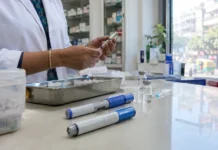
In addition to inspection, automation is also being used in the assembly of complex delivery devices such as autoinjectors. These devices require the precise assembly of multiple components, from the needle and plunger to the spring mechanism and outer casing. Automated assembly lines can ensure that every device is put together correctly and consistently, reducing the risk of device malfunction in the hands of the patient. The use of GLP-1 capacity expansion reshaping CDMO manufacturing to drive these technological adoptions is a significant achievement in the field of pharmaceutical manufacturing. By reducing the reliance on manual labor, these systems also help to minimize the risk of human error and contamination. The investment in automation is a clear reflection of the industry’s commitment to achieving both high volume and high quality in the production of metabolic therapies. As these technologies continue to advance, they will play an even more important role in the global supply chain, ensuring that patients receive safe and reliable medication every time. The adoption of automated systems is a key enabler of the ongoing market expansion, allowing the industry to meet the needs of millions of patients worldwide.
Long-Term Infrastructure Investments And Their Impact On Market Stability
The current wave of capacity expansion is not just about meeting immediate demand; it is about building a long-term infrastructure that will support the metabolic market for decades to come. The massive investments being made in new facilities, advanced technologies, and strategic partnerships are creating a more stable and resilient manufacturing environment. The role of GLP-1 capacity expansion reshaping CDMO manufacturing is to provide the foundation for this stability, ensuring that the supply of medication can remain consistent even as the market continues to grow. These long-term infrastructure investments are also helping to drive innovation across the entire pharmaceutical sector, as the lessons learned in the metabolic market are applied to other high-volume therapeutic areas. The focus on scalability and reliability is a hallmark of the modern manufacturing model, reflecting a commitment to long-term clinical excellence.
These infrastructure investments also have a significant impact on the overall cost of treatment. By increasing manufacturing efficiency and achieving greater economies of scale, pharmaceutical companies can potentially lower the price of their therapies over time. This increased affordability is essential for ensuring that these life-changing treatments are accessible to a wider range of patients, particularly in low- and middle-income countries. The use of GLP-1 capacity expansion reshaping CDMO manufacturing to improve the cost-effectiveness of production is a major benefit for both the industry and the global healthcare system. The commitment to building a sustainable and scalable manufacturing network is a clear indication that the industry is taking a long-term view of the metabolic sector. As these new facilities come online and these advanced technologies are fully integrated, the supply of GLP-1 agonists will become more reliable and accessible than ever before. The ongoing transformation of the CDMO sector is a key driver of progress in metabolic health, ensuring that the next generation of therapies can be delivered at the scale and quality required to make a real difference in the lives of patients worldwide. The success of these expansion efforts is a testament to the power of collaboration and innovation in the pharmaceutical industry.