








The Asia-Pacific (APAC) region is fast embracing biomanufacturing, leading-edge technology that is poised to redefine manufacturing processes and efficiency. One of the most revolutionary of these technologies is bringing digital twin technology into play. With the industry facing elevated complexity and rising demand for biologics, digital twins of biomanufacturing have come out as a compelling technology, allowing unprecedented collaborative intelligence, optimization, and responsiveness.
Understanding Digital Twins and Their Role in Biomanufacturing
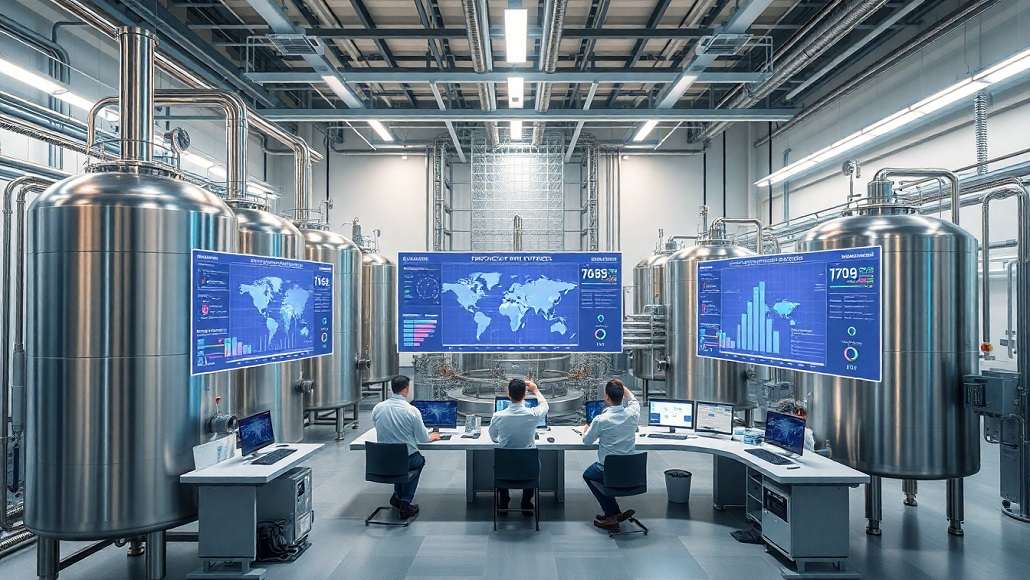
Digital twins are virtual representations of physical systems, processes, or entities that employ real-time data and advanced analytics to mimic, predict, and optimise activities. In biomanufacturing, digital twins generate a dynamic model of the complete production chain, from cell culture and fermentation to purification and quality control, allowing manufacturers to continuously monitor operations and make data-driven decisions.
The use of digital twins in biomanufacturing goes beyond typical automation, providing a comprehensive, integrated view of production systems. This technology enables predictive maintenance, process optimisation, and risk mitigation, ultimately improving product quality and shortening time to market.
APAC’s Strategic Adoption of Digital Twins in Biomanufacturing
APAC’s biopharmaceutical sector is expanding due to increased healthcare demand and investments in biologics manufacturing. According to a McKinsey & Company research from 2024, APAC is predicted to account for roughly 40% of worldwide biomanufacturing capacity by 2030. To stay competitive, biomanufacturers in the region are increasingly using digital twins to optimise complicated workflows and meet demanding regulatory requirements.
Countries such as China, South Korea, Singapore, and Japan are leading the way in incorporating digital twin frameworks into industrial processes. In China, various state-sponsored efforts promote smart manufacturing by pushing the use of Industry 4.0 technology, such as digital twins, to enhance yields and reduce waste. Singapore’s Biopolis innovation centre has emerged as a focal point for digital transformation in biomanufacturing, encouraging collaborations among biotech companies, technology suppliers, and research institutions.
Collaborative Intelligence: Enhancing Decision-Making and Innovation
The true value of digital twins in biomanufacturing stems from their ability to generate collaborative intelligence. Digital twins improve collaboration among cross-functional teams by offering a common, real-time digital depiction of industrial processes.
This connection enables speedier problem resolution and creativity. For example, if a process deviance is identified on the digital twin, cross-disciplinary teams can model corrective measures online before physically implementing them, reducing costly downtime and quality risks. The data-driven insights also help with continuous improvement cycles, identifying bottlenecks, and optimising resource allocation.
Furthermore, digital twins enable knowledge transfer between geographically distributed teams, which is a significant benefit in APAC’s diversified and broad biomanufacturing scene. Digital twins enable remote monitoring and control, allowing flexible manufacturing processes to respond swiftly to changing demands or regulatory requirements.
Real-World Impact and Industry Case Studies
Numerous biomanufacturers in the APAC region have effectively implemented digital twin technology, yielding significant advantages. A prominent biopharmaceutical firm in South Korea exemplified this by leveraging digital twins to refine monoclonal antibody production processes. By in-depth modeling of different fermentation parameters in the digital twin environment, they determined the best conditions that increased yield by 15% and shortened production time by 10%.
Likewise in Japan, collaboration between academia and industry utilized digital twins to enhance quality control processes. The digital twin model anticipated possible contamination events, allowing proactive interventions that increased batch success rates by more than 20%.
China’s expanding biomanufacturing sector also presents interesting instances. WuXi Biologics, a global contract development and manufacturing organisation, has implemented digital twin tactics across several facilities to streamline operations and ensure compliance with China’s developing Good Manufacturing Practice (GMP) laws.
Addressing Challenges and Ensuring Sustainable Integration
Although the advantages of digital twins in biomanufacturing are evident, their implementation poses several challenges. Data integration continues to be a significant issue; biomanufacturing processes generate enormous, varied datasets from sensors, control systems, and laboratory information management systems (LIMS). Combining different data sources into a cohesive digital twin requires a strong IT infrastructure and standardized protocols.
Cybersecurity is another major problem, particularly as manufacturing systems grow more networked. Data privacy and system resilience against cyber threats are crucial for ensuring operational integrity and regulatory compliance.
Furthermore, the deployment of digital twins necessitates trained professionals with expertise in both biotechnology and modern data analytics. APAC’s emphasis on education and workforce development will be critical in developing these skills.
The Future of Biomanufacturing in APAC with Digital Twins
The use of digital twins in biomanufacturing is expected to hasten APAC’s rise as a biopharma innovation hub. As digital twin technologies advance, their capabilities will broaden—from basic process modelling to the incorporation of artificial intelligence (AI), which can autonomously optimise production parameters and supply chain logistics.
Looking ahead, digital twins will help with personalised pharmaceutical manufacturing by allowing for flexible, small-batch production suited to unique patient demands. The combination of digital twins and other upcoming technologies such as the Internet of Things (IoT), 5G connectivity, and blockchain will increase transparency, traceability, and agility.
Governments in APAC are actively supporting this digital transition through smart manufacturing regulations and funding programs, recognising that digital twins are critical to long-term biomanufacturing progress.
Conclusion
Digital twins in biomanufacturing present an important opportunity for Asia Pacific to make strides in collaborative intelligence, marking a pivotal chapter in the region’s evolution of biopharmaceutical development. By integrating physical manufacturing operations with virtual simulation and real-time process monitoring, digital twins are radically transforming how new biological treatments are engineered and mass produced.
This innovative technology empowers facilities to optimize production workflows, foresee potential risks, and cooperatively progress research across organizational and locational divides. As Asia Pacific solidifies its role on the global biomanufacturing stage, digital twins will serve as a cornerstone of this competitive edge—driving productivity, quality standards, and partnership in both discovery and distribution alike. Complex challenges require cooperative solutions, and digital twins may provide a networked approach to ensure patients worldwide receive the care they need.