
















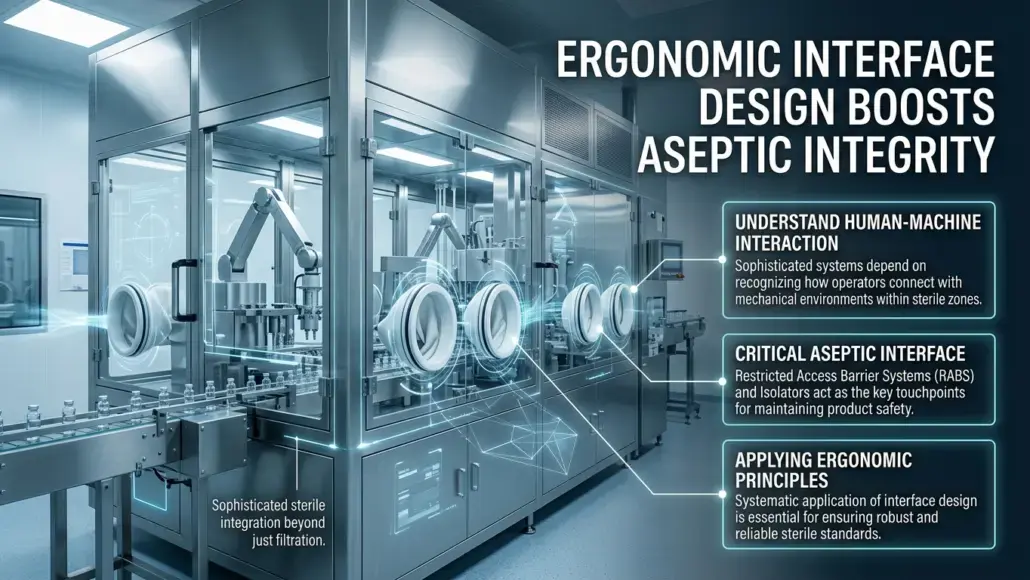
Maintaining the highest standards of sterile integrity in pharmaceutical manufacturing requires more than just advanced filtration and physical barriers. It demands a sophisticated understanding of the interaction between the human operator and the mechanical environment. In aseptic filling lines, the most critical point of this interaction is often the interface provided by restricted access barrier systems or isolators. The systematic application of these ergonomic principles is essential to ensure that operators can perform necessary interventions without compromising the Grade A environment or their own physical well-being. By focusing on the human factors of interface design, manufacturers can significantly reduce the risk of accidental contamination while improving overall operational throughput. This human-centric approach is becoming increasingly vital as filling lines grow in complexity and technical requirements.
Analyzing Human Factors in Aseptic Line Interface Design
The design of an aseptic filling line must account for the physical limitations and capabilities of the personnel who will operate it. Human factors engineering plays a vital role in determining the optimal height, angle, and spacing of the glove ports. When these ports are poorly positioned, operators may be forced into awkward postures, leading to fatigue and an increased likelihood of error. A well-designed interface considers the percentile ranges of the operator population, ensuring that the majority of personnel can reach critical components such as the filling needles, stopper bowls, and conveyor tracks without excessive stretching or bending. These considerations are not merely about comfort but are central to the maintenance of a stable and predictable manufacturing process.
The integration of these interface points requires a detailed mock-up phase, where wooden or plastic models of the filling line are used to test the accessibility of every internal component. This process allows engineers to identify potential blind spots or hard-to-reach areas that could complicate maintenance or emergency interventions. By prioritizing the structural interface during the early stages of facility design, companies can avoid costly retrofits and operational delays. The goal is to create a workspace that supports natural movement and clear visibility, which are fundamental to maintaining a secure aseptic field. This visibility is enhanced by the use of high-transparency glass and strategically placed internal lighting systems.
Additionally, the choice of glove material and sleeve length is a critical aspect of the interface design. High-performance materials such as EPDM or Hypalon provide the necessary chemical resistance and durability while maintaining the flexibility required for delicate tasks. The sleeve must be long enough to allow for full extension into the enclosure but not so long that it bunches up and obscures the operator’s view. The synergy between material science and mechanical design is what makes a modern aseptic interface truly effective. Each component must be tested for its impact on the operator’s ability to maintain precision over extended shifts.
Improving Operator Reach and Dexterity through Design
Precision is a non-negotiable requirement in pharmaceutical filling, where even a slight tremor or a delayed response can result in batch failure. The implementation of optimized interface design directly impacts the dexterity of the operator by minimizing the physical resistance offered by the glove and sleeve assembly. A well-placed port allows the operator’s arms to remain in a neutral position, reducing the strain on the shoulders and wrists. This neutrality is especially important during prolonged interventions, such as the setup of a new batch or the clearance of a vial jam. When the operator is comfortable, the risk of erratic movements is substantially lowered.
Optimizing the reach within the enclosure involves more than just the placement of the ports; it also requires the strategic arrangement of the internal equipment. Key operational zones should be located within the “comfort envelope” of the operator, which is the area where the most frequent and critical tasks are performed. By applying ergonomic principles, engineers can ensure that the operator has sufficient mechanical advantage to manipulate tools and components with high accuracy. This level of control is particularly important when dealing with high-potency products or sensitive biological materials, where every movement must be deliberate and precise.
To achieve this level of optimization, manufacturers should consider the following factors:
- The vertical and horizontal spacing between adjacent ports to prevent operator collisions.
- The inclusion of oval or specialized port shapes that allow for a wider range of motion than standard circular ports.
- The use of height-adjustable platforms or floorings to accommodate operators of different sizes.
- The provision of adequate internal lighting to minimize shadows and improve visual clarity through the glass.
- The integration of force-sensing technologies to monitor the amount of pressure applied by the operator during tasks.
- The implementation of automated glove integrity testers that are easy for the operator to access and operate.
- The placement of tools and spare parts in easily accessible racks within the sterile enclosure.
These considerations ensure that the operator is not just a passive observer but a highly capable and efficient component of the aseptic process.
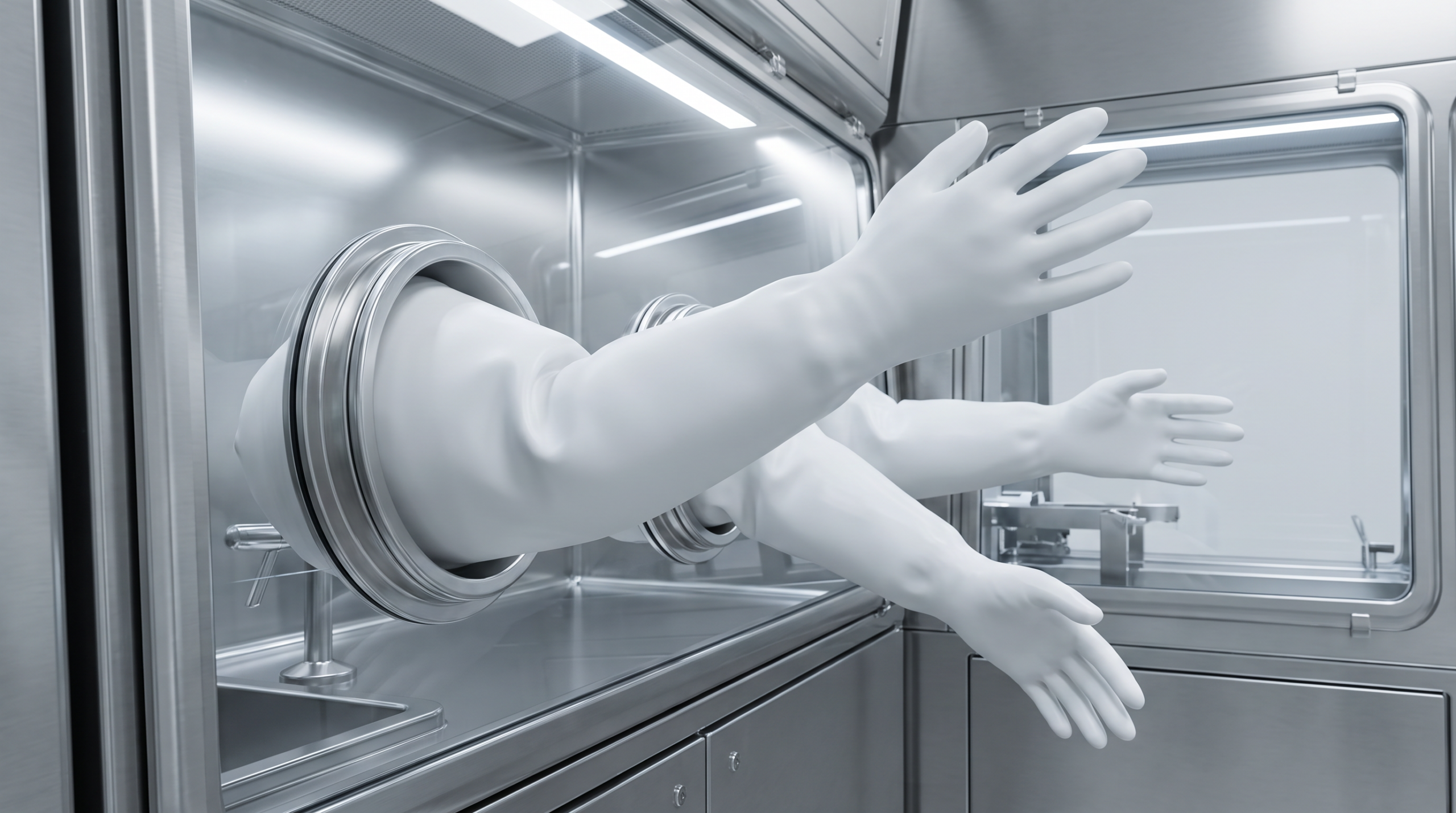
Mitigating Musculoskeletal Risks in Pharmaceutical Filling
Long-term exposure to repetitive tasks in a restricted environment can lead to the development of musculoskeletal disorders (MSDs) among pharmaceutical technicians. These injuries not only impact the quality of life for the employees but also result in significant costs for the employer due to absenteeism and medical claims. The application of glove port ergonomics is a proactive approach to mitigating these risks by reducing the cumulative strain on the musculoskeletal system. By ensuring that the interface is as intuitive and comfortable as possible, manufacturers can foster a safer and more productive workforce. This investment in worker safety pays dividends in reduced turnover and higher morale.
The risk of MSDs is often exacerbated by the weight and stiffness of the gloves, as well as the resistance created by the pressure differential within the isolator. In many cases, operators must exert significant force just to move their hands within the sterile zone. Modern design addresses this by optimizing the pressure balancing systems and selecting glove assemblies that offer the best balance between protection and maneuverability. Regular assessments and operator feedback are essential to identifying emerging issues and implementing continuous improvements in the interface design. The voice of the operator should be a primary input into the engineering process.
In addition to physical health, the psychological impact of working in a constrained environment should not be overlooked. Operator stress and cognitive load can increase when tasks are difficult to perform due to poor interface design. By improving the comfort and accessibility of the filling line through glove port ergonomics, manufacturers can reduce the mental fatigue of their staff, leading to higher levels of alertness and better decision-making. A healthy and focused operator is the best defense against accidental contamination and process deviations. The reduction of stress also leads to a more stable work environment and fewer human errors.
Strategic Placement of Interface Points for Improved Compliance
Regulatory agencies, including the FDA and EMA, are increasingly focusing on the human element of aseptic processing. The latest guidelines emphasize the need for a comprehensive contamination control strategy that includes a detailed analysis of all potential sources of risk. The systematic use of glove port ergonomics is a key component of this strategy, demonstrating a commitment to minimizing human interventions and ensuring that those that are necessary are performed safely. By documenting the ergonomic considerations in the facility design and validation reports, companies can streamline the compliance process and avoid regulatory citations. This documentation provides a clear audit trail for quality assurance auditors.
The strategic placement of these ports also facilitates more effective cleaning and bio-decontamination procedures. If a port is placed in an area that is difficult to reach, the surrounding surfaces may not be adequately sanitized, creating a potential reservoir for microbial growth. Proper design ensures that every part of the barrier system is accessible for cleaning, which is fundamental to maintaining a sterile environment. This accessibility is particularly important during the transition to more advanced barrier technologies, such as RABS integration, where the complexity of the equipment can make sanitation more challenging. The design should facilitate a rapid and thorough cleaning cycle to minimize downtime.
Additionally, the data generated during these studies can be used to optimize the training programs for new operators. By understanding the most efficient ways to perform interventions through the glove ports, companies can develop more effective SOPs and training modules. This standardized approach ensures that all personnel are performing tasks in a manner that maximizes both safety and efficiency. The integration of ergonomic principles into the quality management system is a clear indicator of a mature and forward-thinking pharmaceutical organization. As manufacturing science advances, the focus on the operator will only intensify, making human-centric design a permanent fixture of the industry.
The journey toward total contamination control is ongoing, and the role of the operator remains a central element. By continuing to invest in glove port ergonomics, pharmaceutical manufacturers can ensure that their filling lines remain at the forefront of quality, safety, and operational excellence. The synergy between human capability and mechanical precision is the key to unlocking the full potential of modern sterile manufacturing. As we look toward the future, the integration of these principles will be essential for meeting the growing demand for complex and sensitive therapeutic products.
The anchor text for the interlinking opportunity is RABS integration, and the complete sentence is: This accessibility is particularly important during the transition to more advanced barrier technologies, such as RABS integration, where the complexity of the equipment can make sanitation more challenging.