







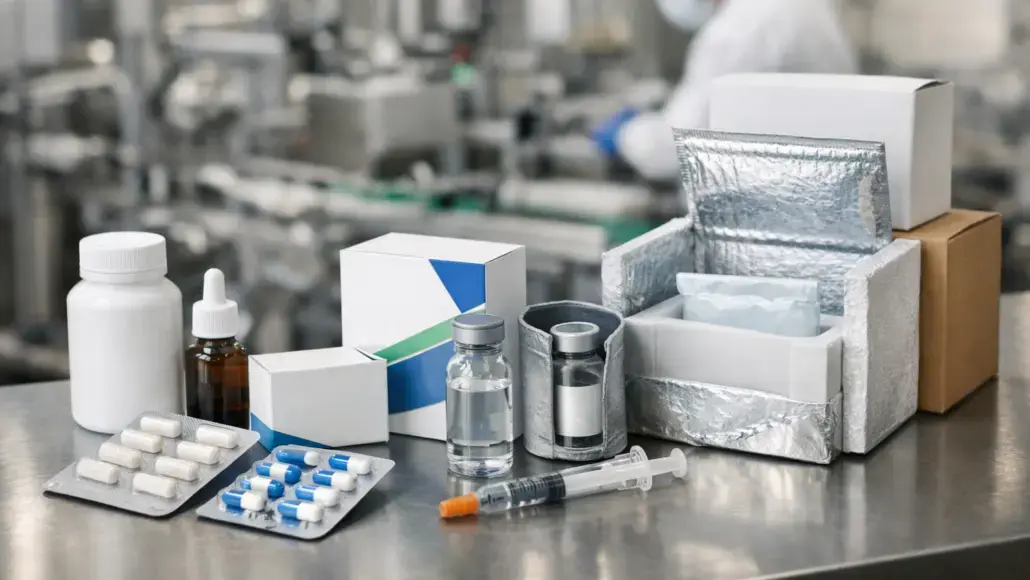
A pharmaceutical package has a big job to do. It must protect the medicine, meet strict regulatory requirements and support safe handling throughout the supply chain. Finding a supplier that can meet these demands takes careful evaluation. Here’s what you need to know about current packaging trends, new technologies, the capabilities of custom packaging companies and the innovations shaping the industry’s future.
What Are the Latest Trends in Pharmaceutical Packaging?
The global pharmaceutical packaging market was valued at an estimated $139.37 billion in 2023 and is projected to grow at a compound annual growth rate of 9.7% from 2024 to 2030. This growth demonstrates the industry’s need for packaging that does more than contain medicines. Manufacturers must protect product quality, meet regulatory requirements and prevent tampering or counterfeiting throughout the supply chain.
CCL Healthcare, a specialist in pharmaceutical packaging solutions with over 38 cGMP-compliant manufacturing locations, highlights how these demands are driving innovation. The company notes that “Packaging technology is constantly evolving as the industry develops ways to make packaging safer, more effective and more sustainable.”
The latest trends address these priorities through tamper-evident designs, anti-counterfeiting features, serialization and sustainable materials. Smart packaging also adds digital capabilities that can enhance product monitoring and packaging performance.
“Through the integration of science and technology, smart packaging brings digital solutions to improve the functionality and safety of the package and the products inside. Smart packaging technology helps the package do more than store or contain the product,” says CCL Healthcare.
What Are the Newest Technologies in the Packaging Industry?
New packaging technologies help manufacturers improve quality control, trace products through the supply chain and deter counterfeiting. The right options depend on your product’s risks, labeling requirements and distribution needs. Some of the new technologies include:
- Digital printing supports accurate labels and variable data, including unique serial numbers.
- Automated quality inspection uses machine vision and sensors to detect printing defects, damaged packaging and labeling errors.
- Specialized inks and holograms add visual security features that help distinguish authentic products.
- Serialization, RFID and NFC support product identification, tracking and authentication.
RFID is among the most popular right now. Aside from tracking and authentication, it can also improve medication inventory management. “RFID tags can hold information relevant to medication inventory control, including drug name, concentration and volume, National Drug Code and lot number,” states a 2025 review published in AAPS PharmSciTech. This data can help healthcare institutions track stock more accurately and support patient safety.
What Packaging Companies Offer Custom Pharmaceutical Packaging Solutions?
Custom pharmaceutical packaging providers include specialist healthcare packaging manufacturers and contract packaging companies with experience handling regulated products. Choosing a supplier requires looking beyond its ability to produce a package that fits your medicine. The packaging must meet compliance requirements, suit the product’s delivery method and support inventory management across the supply chain.
“Effectively packaging pharmaceutical products requires a multifaceted approach. These products must meet stringent compliance requirements, match the product delivery system and fill the ever-important administrative gap to ensure smooth ordering, tracking and monitoring of stock,” explains CCL Healthcare about these connected demands.
That’s why when evaluating a supplier, you need to check its cGMP-compliant processes, material expertise and ability to accommodate your product’s dimensions and packaging needs. Ask about quality assurance, tamper-evident features and anti-counterfeiting measures, too. These safeguards help protect sensitive medicines during storage and distribution, which is essential given their impact on product quality and patient safety. CCL Healthcare notes, “Due to the sensitivity and essential nature of pharmaceutical products, ensuring their efficacy and cost-effective, safe movement through the supply chain is critical.”
Production capacity is just as important. Ask whether the supplier can support smaller clinical trial batches and scale output as your product moves toward commercial manufacturing. A provider that can handle both stages can help maintain consistent packaging quality as demand grows.
What Is the Future of Packaging?
The future of pharmaceutical packaging will likely depend on connected technologies, flexible production and materials that protect medicines while reducing environmental impact. Grand View Research writes, “Governments and regulatory bodies worldwide are implementing stringent regulations to reduce plastic waste, carbon emissions, and non-recyclable packaging materials, encouraging pharmaceutical manufacturers to adopt sustainable alternatives.”
Researchers are also exploring four-dimensional (4D) printing. This technology builds on 3D printing by creating structures that change in response to stimuli such as heat or moisture. Future pharmaceutical applications could include adaptive packaging that supports drug stability or medication monitoring. However, the technology remains in its early stages and needs further validation before widespread use.
Frequently Asked Questions
Here are answers to common questions about custom pharmaceutical packaging and what you should look for in a supplier.
What features make pharmaceutical packaging safer?
Tamper-evident seals, anti-counterfeiting measures, serialization and smart packaging technologies help protect medicines, verify product authenticity and improve tracking throughout the supply chain.
How can new technologies improve pharmaceutical packaging?
Digital printing, automated inspection, RFID and specialized security features help manufacturers improve labeling accuracy, detect defects, track inventory and reduce the risk of counterfeit medicines.
What should you consider when choosing a pharmaceutical packaging provider?
According to CCL Healthcare, effective packaging must meet regulatory requirements, suit the medicine’s delivery system and support stock tracking and monitoring. Look for a supplier with cGMP-compliant processes, strong quality controls and the capacity to scale production as demand grows.
A Dose of Innovation in Every Package
The right packaging partner can help you protect product quality, meet regulatory requirements and prepare for changing production needs. Prioritize proven quality controls, material expertise and flexible capacity, so your packaging supports both current operations and future growth.