















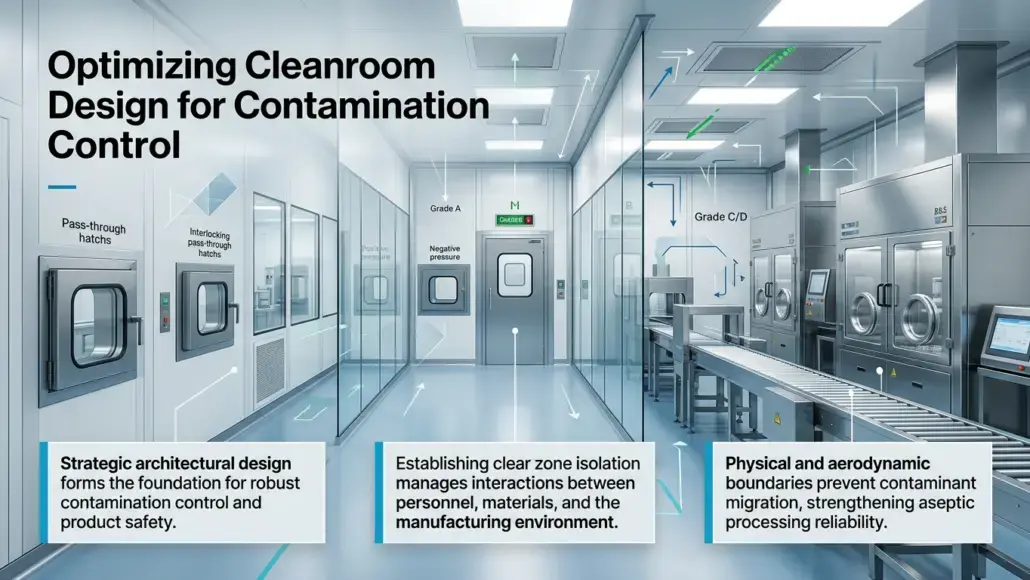
The architectural design of a pharmaceutical facility is a fundamental component of its contamination control strategy. In the production of sterile medicinal products, the ability to isolate different cleanroom grades and prevent the migration of contaminants is paramount. The systematic implementation of zone isolation provides a resilient framework for managing the complex interplay between personnel, materials, and the environment. By creating distinct physical and aerodynamic boundaries, manufacturers can ensure that the Grade A critical zone remains protected from external environmental influences. This segregation is not merely a matter of building walls but a sophisticated engineering approach that integrates physical barriers, airflow dynamics, and procedural controls.
Implementing Physical Barriers for Sterile Area Segregation
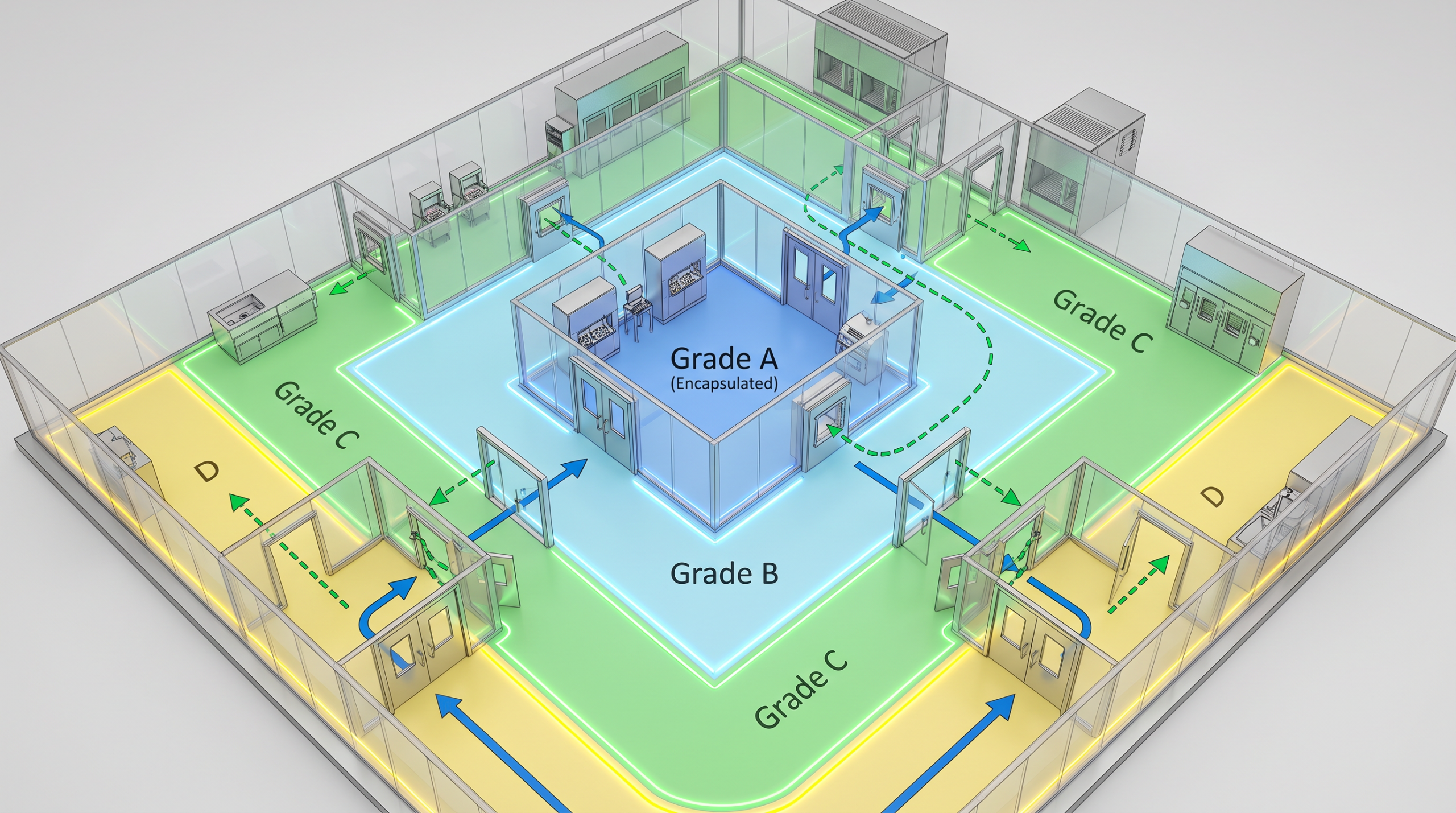
The primary layer of defense in a sterile manufacturing facility is the physical separation of different cleanroom zones. This is achieved through the use of high-quality construction materials and the strategic layout of the production areas. Zone isolation starts with the creation of dedicated airlocks for both personnel and materials, which serve as transitional zones between different cleanroom grades. These airlocks are designed to prevent the direct flow of air and particles from a lower-grade area into a higher-grade one. The use of interlocking doors and specialized ventilation systems ensures that only one side of the airlock is open at any given time, maintaining the integrity of the internal environment.
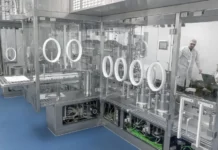
Within the production suite, further segregation is achieved through the use of glass panels, stainless steel partitions, and localized barrier systems. These physical boundaries define the specific areas where open product is handled and where the risk of contamination is highest. The design of these barriers must account for the specific equipment layout and the need for visibility and accessibility. In many cases, the physical barriers are integrated directly into the filling machinery, providing a self-contained Grade A environment within a Grade B background. This multi-layered approach to segregation provides a high level of assurance that the product remains sterile throughout the entire filling process.
The effectiveness of these physical barriers is also dependent on the quality of the seals and the integrity of the wall and ceiling penetrations. Any gaps or leaks in the barrier can become pathways for contamination, especially in areas with significant pressure differentials. Therefore, regular integrity testing and maintenance are essential to ensuring the long-term performance of the isolation system. The use of advanced materials such as pharmaceutical-grade silicones and specialized coatings can help to maintain the cleanliness and durability of the barrier surfaces. The structural integrity of the facility is a permanent requirement for successful contamination control.
Optimizing Material and Personnel Flow in Aseptic Suites
Effective sterile area segregation is also a matter of managing the movement of people and products through the facility. The flow of materials must be carefully planned to minimize the risk of cross-contamination and to ensure that sterile components are never exposed to non-sterile environments. This is often achieved through the use of unidirectional flow patterns, where materials enter the sterile zone through a dedicated “in” airlock and exit through a separate “out” airlock. This approach prevents the mixing of clean and dirty materials and reduces the complexity of the material handling process.
Similarly, the movement of personnel must be strictly controlled to maintain the cleanliness of the sterile environment. Operators must follow rigorous gowning procedures before entering the Grade B and A zones, and their movements within these areas must be minimized to reduce the generation and dispersal of particles. The design of the facility should facilitate efficient movement, with clear pathways and adequate space for gowning and de-gowning. By applying the principles of zone isolation, manufacturers can ensure that personnel are only present in the critical zones when absolutely necessary, reducing the overall contamination risk.
To achieve this level of optimization, manufacturers should consider the following factors:
- The use of automated material transfer systems, such as conveyor belts and robotic arms, to reduce manual handling.
- The implementation of electronic access control systems to monitor and restrict movement between cleanroom zones.
- The provision of dedicated gowning rooms for each cleanroom grade, with clear visual indicators of the required attire.
- The strategic placement of waste disposal systems to prevent the buildup of contaminants within the sterile zone.
- The use of real-time tracking systems to monitor the flow of critical components and raw materials.
- The development of detailed material and personnel flow diagrams that specify exactly how every movement should be performed.
- The inclusion of specialized transfer ports for the introduction of tools and spare parts into the sterile environment.
These considerations ensure that the flow of materials and personnel is as efficient and secure as possible, supporting the overall contamination control objectives.
Integrating Pressure Differentials for Effective Barrier Control
Beyond the physical walls, sterile area segregation relies on the management of air pressure differentials. In a pharmaceutical facility, air must always flow from cleaner areas to less clean ones to prevent the ingress of contaminants. This is achieved by maintaining a higher pressure in the Grade A zone relative to the surrounding Grade B area, and so on. The standard recommendation is a pressure differential of at least 10 to 15 pascals between adjacent cleanroom grades. This aerodynamic barrier is a critical component of the overall segregation strategy, providing a constant outward flow of air that sweeps away any potential particles.
Maintaining these pressure differentials requires a sophisticated HVAC system with precise control over air supply and exhaust volumes. The system must be capable of responding to fluctuations in pressure caused by door openings, operator movements, and equipment operation. Sensors placed within each cleanroom zone provide real-time data to the building management system, which adjusts the fan speeds and damper positions to maintain the required setpoints. This level of control is essential for ensuring that the sterile area segregation remains effective under all operational conditions. Any significant drop in pressure must be immediately alarmed and investigated, as it indicates a potential breach in the contamination control system.
The design of the HVAC system must also account for the specific airflow patterns required within each zone. In the Grade A critical zone, unidirectional laminar airflow is necessary to provide a stable and predictable environment for aseptic operations. In the surrounding Grade B and C areas, turbulent or non-unidirectional airflow may be sufficient, provided that the overall air exchange rate is high enough to maintain the required cleanliness levels. The synergy between pressure differentials and airflow patterns is what creates a truly effective aerodynamic barrier, protecting the sterile product from the very moment it is exposed to the environment.
Maintaining Cleanliness Standards through Zone Separation
The systematic use of zone isolation is also fundamental to maintaining the long-term cleanliness and compliance of the facility. By isolating the most critical zones, manufacturers can focus their most intensive cleaning and monitoring efforts where they are needed most. This targeted approach ensures that resources are used efficiently and that the risk of contamination is minimized. The separation of zones also facilitates more effective bio-decontamination processes, such as the use of vaporized hydrogen peroxide (VHP), which can be applied to specific areas without impacting the rest of the facility.
Zone separation also plays a key role in the validation and qualification of the cleanroom environment. Each zone must be independently tested for air quality, surface cleanliness, and microbial levels to ensure that it meets the required standards for its specific cleanroom grade. This data provides a clear baseline for the environmental monitoring program and allows for the detection of any potential drifts or excursions. The principles of zone isolation ensure that any contamination event is localized and can be quickly identified and addressed, minimizing the impact on production and product quality.
Additionally, the move toward more advanced barrier technologies, such as RABS integration, is a prime example of how zone separation is evolving. These systems provide a self-contained Grade A environment that is physically and aerodynamically isolated from the surrounding cleanroom. By adopting these technologies, manufacturers can achieve a higher level of process security and regulatory compliance. The integration of barrier technology into the facility design is a clear indicator of a proactive commitment to quality and safety, ensuring that sterile products are delivered to patients with the highest level of assurance.
The continuous monitoring of these segregated zones provides a wealth of data that can be used for process optimization and troubleshooting. By analyzing the trends in air pressure, particle counts, and microbial levels, manufacturers can identify potential areas of concern and implement proactive measures to enhance the resilience of the manufacturing process. This data-driven approach is fundamental to a mature quality management system and is a key expectation of global regulatory agencies.
As the pharmaceutical industry continues to evolve, the need for resilient and flexible contamination control solutions will only grow. The role of zone isolation in meeting these challenges is essential, providing a reliable and scalable platform for the next generation of sterile products. By focusing on the synergy between physical barriers, pressure differentials, and operational discipline, companies can ensure that their manufacturing facilities remain at the forefront of excellence. The journey toward total sterility assurance is an ongoing process, but with the right architectural and engineering foundation, the industry is well-positioned to meet the demands of the modern healthcare environment.
The anchor text for the interlinking opportunity is RABS integration, and the complete sentence is: Additionally, the move toward more advanced barrier technologies, such as RABS integration, is a prime example of how zone separation is evolving.