









Close
CDMO Safety Testing 2026
Novotech

Alexion issued new FDA Form 483 for Rhode Island plant

Note* - All images used are for editorial and illustrative purposes only and may not originate from the original news provider or associated company.

Subscribe

- Never miss a story with notifications

- Gain full access to our premium content

- Browse free from any location or device.

Media Packs

Expand Your Reach With Our Customized Solutions Empowering Your Campaigns To Maximize Your Reach & Drive Real Results!

– Access the Media Pack Now

– Book a Conference Call

Leave Message for Us to Get Back

Related stories

Bristol Myers Squibb Integrates AI to Advance Manufacturing Quality Systems

Bristol Myers Squibb has entered into a strategic agreement...

eschbach Unveils Seqonis Intelligent Operations Platform

eschbach has renamed its flagship enterprise software platform, Shiftconnector,...

Cell and Gene Therapy Manufacturing Entering GMP Era

The rapid and profound maturation of the global biopharmaceutical sector is being clearly marked by cell and gene therapy manufacturing entering GMP era. This critical transition involves the large-scale implementation of rigorous and uncompromising Good Manufacturing Practice standards to ensure that these complex, "living" treatments are produced with a level of consistent quality and safety that meets international requirements. By adopting highly automated systems, closed-loop processing, and robust, data-driven regulatory frameworks, the industry is successfully overcoming the historical hurdles of scalability and biological variability, paving the way for these advanced therapies to reach much broader patient populations across the globe.
- Advertisement -

The FDA has again raised issues at an Alexion plant that three years ago was issued a warning letter. The facility is where Alexion manufactures what has been deemed the world’s most expensive drug, Soliris.

Alexion ($ALXN) filed an 8-K with the SEC on Monday saying that the FDA issued a Form 483 with three observations following a recent inspection of the Smithfield, RI, manufacturing plant, a facility with a history of manufacturing lapses. The Cheshire, CT-based company said the observations related to “closure of certain investigations, validation of surface sampling methods, and monitoring of water systems.”

It said none of the observations were designated as a repeat observations and that it will work “diligently to address the observations.”

Alexion continues to manufacture Soliris at the plant and said that it doesn’t anticipate that supply will be interrupted for the orphan drug. Soliris, which can run up to $400,000 a year, treats the life-threatening blood disorder paroxysmal nocturnal hemoglobinuria, a disease that only affects about 8,000 Americans. In its Q2 earnings release July 28, the drugmaker reported second-quarter revenues of Soliris were up 10% to $701 million on a 15% growth in volume.

In 2013, Alexion was issued a warning letter for the Rhode Island plant after the FDA found the company had not thoroughly investigated “bacterial contamination of certain batches,” as well as other cGMP issues. In that case, the FDA noted some repeat problems from a visit the year before. It later had problems with a contractor filler and had to recall some lots of Soliris. Then, in 2014, the Rhode Island plant was cited with more observations in a follow-up inspection.

In the filing Monday, Alexion said that it has continued to work on its quality program.

Image: Soliris

<>><

Teva recalls antibiotic made at banned plant in Hungary

Aug 8, 2016

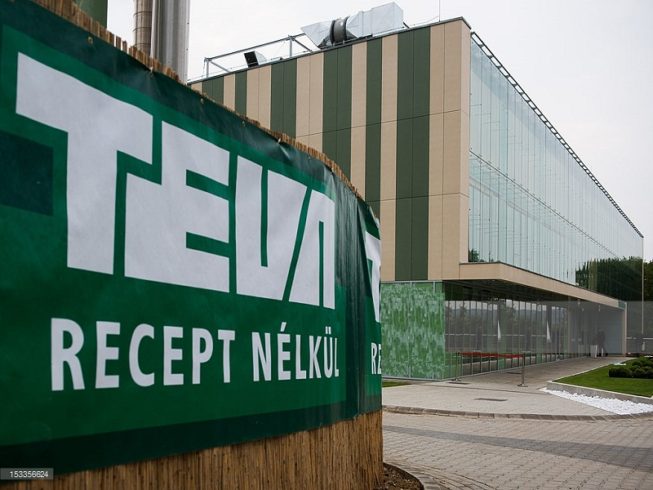
When the FDA put Teva’s sterile manufacturing site in Hungary on its import alert list in May, it banned all but two of its products, cancer treatment bleomycin and antibiotic amikacin. The exclusions didn’t mean the FDA didn’t have some concerns with those drugs, and now the drugmaker is expanding a recall of the antibiotic.

Teva ($TEVA) said last week it was recalling 7 additional lots of amikacin sulfate due to the potential for the presence of glass particulate, which it said could cause reactions from swelling to blood clots. It said it had not received any reports of adverse reactions to the product.  


When Teva first recalled a lot of the antibiotic in March, it indicated that it was manufactured at its plant in Gödöllő, Hungary. The company had temporarily halted production at the plant in January after an inspection cited it with a number of shortcomings. The agency followed that up with the ban in May.

After the FDA banned products from the Hungary plant, Teva said it was “working around the clock to restart manufacturing operations as soon as possible, and are working cooperatively with regulatory authorities to minimize any potential impact on product availability.”

That impact was particularly hard on Hungary, which lost access to about 200 drugs as a result of the shutdown. The Hungary drug regulator said it was getting weekly updates from Teva about the situation so that it could avoid shortages, particularly of cancer and morphine drugs.


 

World Pharma Today brings together the global pharmaceutical industry — from R&D leaders and regulatory affairs professionals to manufacturers and distribution executives — through trusted editorial, market intelligence, and digital engagement.

Our 2026 Media Pack offers integrated solutions to reach your audience:

  • Magazine & Digital Editions Showcase your brand within premium pharmaceutical industry coverage read by executives and decision - makers worldwide.
  • Industry Insights & Reports Align with data - driven analysis, trend reports, and regional roundups across the global pharmaceutical and life sciences value chain.
  • Brand Authority & Credibility Position your company as a thought leader through expert commentary, interviews, and special features.

Latest stories

Related stories

Bristol Myers Squibb Integrates AI to Advance Manufacturing Quality Systems

Bristol Myers Squibb has entered into a strategic agreement...

eschbach Unveils Seqonis Intelligent Operations Platform

eschbach has renamed its flagship enterprise software platform, Shiftconnector,...

Cell and Gene Therapy Manufacturing Entering GMP Era

The rapid and profound maturation of the global biopharmaceutical sector is being clearly marked by cell and gene therapy manufacturing entering GMP era. This critical transition involves the large-scale implementation of rigorous and uncompromising Good Manufacturing Practice standards to ensure that these complex, "living" treatments are produced with a level of consistent quality and safety that meets international requirements. By adopting highly automated systems, closed-loop processing, and robust, data-driven regulatory frameworks, the industry is successfully overcoming the historical hurdles of scalability and biological variability, paving the way for these advanced therapies to reach much broader patient populations across the globe.

How to Source the Best Color Spectrophotometers and Colorimeters for Pharma QC

Color consistency is critical in pharmaceutical quality control (QC)....

Subscribe

- Never miss a story with notifications

- Gain full access to our premium content

- Browse free from any location or device.

Media Packs

Expand Your Reach With Our Customized Solutions Empowering Your Campaigns To Maximize Your Reach & Drive Real Results!

– Access theMedia Pack Now

– Book a Conference Call

Leave Message for Us to Get Back

Translate »