












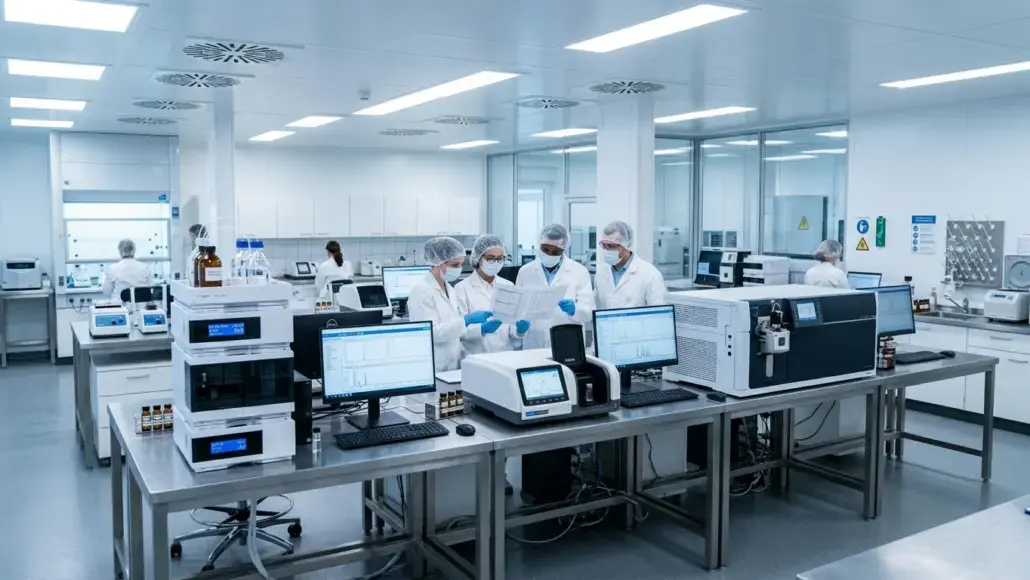
The decision-making process involved in outfitting a modern pharmaceutical quality control laboratory is one of the most consequential tasks for a laboratory manager, a director of quality, or a strategic procurement officer. Because the results generated by these specialized tools dictate whether a medicinal product is safe, effective, and ready for human consumption, the stakes involved are exceptionally high. When choosing analytical instruments pharma QC facilities must carefully balance the need for cutting-edge technology with the practical requirements of daily operations, strict regulatory compliance, and long-term financial sustainability. A well-considered, data-driven selection strategy not only improves the reliability and defensibility of the analytical data but also enhances the overall productivity, safety, and morale of the entire laboratory team.
Defining the Comprehensive Requirements for Laboratory Excellence
The first and most important step in the process of selecting analytical instruments pharma QC is a thorough and honest assessment of the laboratory’s specific and unique needs. This involves a deep understanding of the types of products being tested ranging from traditional small molecules to complex biologics and personalized therapies the volume of samples that must be processed daily, and the specific international regulatory standards that must be met for each target market. For instance, a laboratory specializing in the rapid release of high-volume generics will have significantly different requirements for throughput and automation than one focused on the long-term stability testing of sensitive, high-value biologic drugs. It is essential to develop a comprehensive User Requirement Specification (URS) document that outlines every technical, operational, and compliance need in detail. This document serves as the objective benchmark against which all potential instruments are evaluated, ensuring that the chosen equipment is truly “fit for purpose” and capable of delivering the required level of scientific precision over its entire operational life.
Evaluating Technical Specifications and Real-World Performance Metrics
When comparing different analytical instruments pharma QC managers must look far beyond the glossy marketing brochures and focus on the underlying technical specifications that drive real-world performance. Key metrics such as sensitivity, resolution, detection limits, and linearity are fundamental to the accuracy and reliability of any analytical method. For equipment like high-performance liquid chromatographs (HPLC), mass spectrometers, or spectrophotometers, the ability to handle a wide and diverse range of sample types and concentrations is often the deciding factor in a purchase. Additionally, the physical robustness and reliability of the hardware are critical in a high-pressure production environment an instrument that is frequently down for unexpected repairs will quickly become a major bottleneck in the quality control process, potentially delaying life-saving product releases. Investing in high-quality components such as superior optics, more sensitive detectors, and durable mechanical parts often leads to a significantly lower total cost of ownership by reducing the need for frequent maintenance and extending the overall operational lifespan of the device.
Ensuring Seamless Integration with Modern Digital and LIMS Workflows
In the era of Pharma 4.0 and the “Smart Laboratory,” the ability of new analytical instruments pharma QC to connect and communicate with other laboratory systems is a major strategic consideration. Modern laboratories rely heavily on Laboratory Information Management Systems (LIMS), Electronic Lab Notebooks (ELN), and integrated quality management platforms to manage vast amounts of data and ensure total compliance. Therefore, any new instrument should ideally offer easy, out-of-the-box integration with these platforms through standard interfaces and open data protocols. The software that controls the instrument must also be carefully evaluated for its user-friendliness, its stability, and its full compliance with global data integrity regulations such as 21 CFR Part 11. A well-designed, intuitive software interface significantly reduces the learning curve for new analysts and minimizes the risk of costly user errors, which are far more common when dealing with complex, multi-step analytical procedures and manual data handling.
Navigating the Regulatory Landscape and the Mandate for Compliance
A primary and non-negotiable driver in the selection of analytical instruments pharma QC is the requirement for strict adherence to Good Manufacturing Practices (GMP). This means that every single instrument must be fully qualifiable, and its associated software must support the core principles of data integrity, often summarized by the ALCOA+ acronym. When evaluating potential vendors, it is important to ask detailed questions about the availability of pre-written qualification documents (IQ/OQ/PQ) and whether they provide expert on-site support during the critical validation process. A vendor who deeply understands the regulatory pressures and the high stakes of the pharmaceutical industry can be an invaluable partner in ensuring a smooth, compliant, and stress-free setup. Furthermore, the instrument’s ability to maintain a secure, encrypted, and unalterable audit trail is no longer just an optional feature it is a fundamental requirement for any tool used in a regulated pharmaceutical environment.
The Strategic Importance of Long-Term Vendor Support and Reliability
Choosing a high-end analytical instrument is also about choosing a long-term, multi-year relationship with a manufacturer or a specialized distributor. The level of after-sales support provided can often make or break the success of a new laboratory setup. When selecting analytical instruments pharma QC teams should thoroughly investigate the vendor’s reputation for service response times, the depth of their technical expertise, and the global availability of critical spare parts. A reliable and supportive vendor should offer a clear, proactive maintenance schedule and provide regular, no-cost updates to the instrument’s software and firmware to address bugs and security vulnerabilities. Speaking with other laboratory managers and quality directors about their real-world experiences with specific vendors and instrument models can provide valuable, unvarnished insights that are simply not available in a standard sales presentation.
Assessing Scalability and Future-Proofing the Laboratory Infrastructure
As pharmaceutical companies grow, diversify, and their product portfolios expand into new therapeutic areas, their laboratory needs will inevitably change and become more complex. Therefore, it is a wise and strategic move to select analytical instruments pharma QC that are inherently scalable and flexible. This might involve choosing modular systems that can be easily upgraded with more sensitive detectors, larger autosamplers, or automated sample preparation modules as the daily sample volume increases. It could also mean investing in versatile instruments that are capable of performing multiple types of analysis, thereby reducing the need for multiple specialized and expensive tools. Future-proofing the lab also involves staying well-informed about emerging regulatory trends and technological breakthroughs for example, if new guidelines for the testing of trace impurities are anticipated, it makes sense to choose an instrument with the high sensitivity required to meet those future standards today.
Balancing Scientific Performance with the Total Cost of Ownership
While high performance and total compliance are always the top priorities in a pharmaceutical setting, the financial reality of running a modern laboratory cannot be ignored. The initial purchase price of analytical instruments pharma QC is often only a small part of the total lifetime cost equation. Managers must also carefully consider the ongoing cost of specialized consumables, the price of annual service contracts, and the energy consumption and space requirements of the equipment. A less expensive instrument might appear attractive at first but could end up costing far more in the long run if it requires expensive, proprietary reagents or has a high failure rate that disrupts production. Performing a thorough, multi-year Return on Investment (ROI) analysis can help justify the purchase of higher-end, more reliable equipment by demonstrating how increased throughput, reduced downtime, and lower waste will lead to significant net savings over the entire instrument’s lifecycle.
Enhancing Laboratory Productivity Through Strategic Automation
The accelerating shift toward laboratory automation is a major and irreversible trend in the selection of analytical instruments pharma QC. Automated sample preparation, injection, and data analysis systems can dramatically increase the consistency and reliability of results by virtually eliminating human variability and the potential for manual error. Many modern analytical instruments are designed to operate entirely unattended for long periods, including overnight and over weekends, allowing the lab to process a much higher volume of samples without increasing headcount or labor costs. When evaluating these automated options, it is vital to ensure that the automation components are as robust, reliable, and compliant as the analytical core itself. By reducing the time that highly trained analysts spend on repetitive, low-value tasks, automation allows them to focus their expertise on more complex and valuable activities like data interpretation, method development, and troubleshooting, leading to a more efficient, productive, and intellectually stimulating workplace for the entire scientific team.