








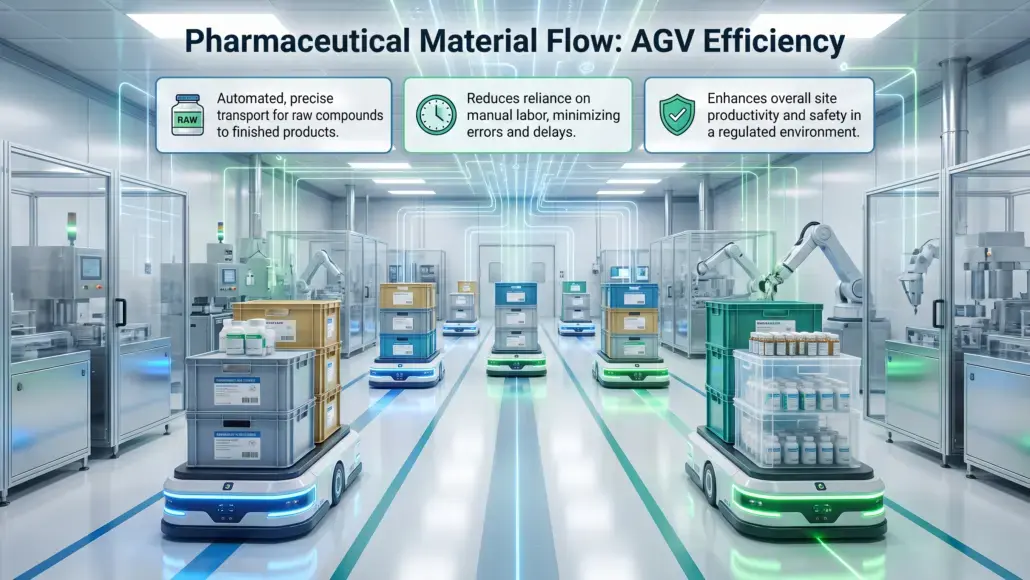
The internal movement of materials within a pharmaceutical facility is a complex and highly regulated process that requires both precision and reliability. From the transport of raw chemical compounds to the delivery of finished medical products, the efficiency of these movements directly impacts the overall productivity of the site. Traditional methods often rely on manual labor using forklifts or carts, which can be prone to delays, errors, and safety risks. By implementing agv systems improving pharmaceutical material movement efficiency, organizations can automate these transit tasks, ensuring a consistent and controlled flow of goods throughout the facility. These automated vehicles follow programmed paths using various navigation technologies, such as laser guidance or magnetic tape, allowing them to operate safely and effectively in shared environments with human workers.
The adoption of these systems brings a new level of predictability to internal Pharmaceutical Logistics. Unlike manual transport, which can be affected by staffing levels or human error, automated vehicles operate on a precise schedule and follow the exact same path every time. This consistency is essential for maintaining a lean production environment where the timely arrival of materials is critical for avoiding downtime. In a pharmaceutical manufacturing context, this might involve the movement of sensitive ingredients from the warehouse to the production floor or the transport of sterilized containers to the filling line. By focusing on agv systems improving pharmaceutical material movement efficiency, facilities can ensure that these critical steps are executed with absolute reliability, reducing the risk of batch delays or contamination. The ability to integrate these vehicles with building automation systems also allows them to interact with doors, elevators, and other infrastructure, providing a truly seamless transport solution across multiple levels of a facility.
Enhancing Safety and Compliance in Sensitive Environments
Safety is a paramount concern in the pharmaceutical industry, where the handling of hazardous materials or fragile containers requires extreme care. Manual forklift operation is one of the leading causes of accidents in industrial settings, and the risks are magnified in the tight aisles and busy production zones of a pharmaceutical plant. Automated vehicles are equipped with a suite of sophisticated sensors that provide a level of spatial awareness far superior to human capability. They can detect the presence of obstacles or personnel from significant distances, adjusting their speed and trajectory or coming to a complete stop to prevent collisions. This proactive safety stance is essential for maintaining operational continuity and protecting the well-being of the workforce. By deploying agv systems improving pharmaceutical material movement efficiency, organizations can significantly reduce the number of transport-related incidents, creating a safer and more productive working environment.
Compliance with good manufacturing practices is another area where automated transport offers a clear advantage. Every movement made by an automated vehicle is logged in a central management system, providing a detailed audit trail of the entire material flow. This transparency is vital for regulatory reporting and internal quality control, ensuring that every batch of material can be traced as it moves through the facility. The reduction in manual handling also decreases the risk of cross-contamination, a critical factor in maintaining the purity of pharmaceutical products. These vehicles can also be designed to operate in cleanroom environments, with specialized materials and filtration systems that meet the stringent requirements for sterile manufacturing. The ability to maintain a controlled and documented material flow is a key component of a modern pharmaceutical strategy that prioritizes quality and safety above all else.
Improving Resource Allocation and Operational Flexibility
The automation of routine material movement allows pharmaceutical facilities to better allocate their human resources to high-value tasks that require cognitive skill and judgment. Tasks such as quality oversight, complex assembly, and system maintenance are more appropriate uses for a skilled workforce than the repetitive transit of goods between locations. By shifting the burden of transport to agv systems improving pharmaceutical material movement efficiency, organizations can improve the overall engagement and productivity of their employees. This not only leads to a more efficient operation but also helps to address the labor shortages and rising labor costs that are common in the life sciences sector. The ability to operate consistently across multiple shifts without the need for breaks or shift changes ensures that the facility can maintain high throughput 24 hours a day.
Flexibility is another significant benefit of modern automated vehicle systems. Unlike fixed conveyor systems, which can be difficult and expensive to modify, automated paths can be easily updated or expanded as the needs of the facility change. New vehicles can be added to the fleet with minimal disruption, providing a scalable path to increased capacity. This agility is a key competitive advantage in the fast-paced pharmaceutical market, where new product launches or changes in production processes occur frequently. The ability to integrate these systems with broader warehouse management and enterprise resource planning software ensures that material movement is always aligned with the digital requirements of the business. This technological synergy allows for a truly responsive and agile supply chain that is capable of meeting the challenges of a rapidly changing healthcare market.
Data-Driven Continuous Improvement and System Integration
The wealth of data generated by automated vehicle systems provides a powerful tool for continuous improvement within the pharmaceutical facility. Managers can monitor factors such as transit times, battery levels, and aisle congestion to identify opportunities for further optimization. By analyzing this data, it is possible to refine the routing of vehicles to avoid bottlenecks and ensure the most efficient use of the fleet. For example, analysis might show that certain areas of the production floor are experiencing delays during specific times of the day, leading to a targeted adjustment in the vehicle schedule. The use of agv systems improving pharmaceutical material movement efficiency ensures that decisions are based on empirical evidence rather than anecdotal observation, leading to more effective and sustainable improvements in facility performance.
Integration with other automated systems is also a key factor in the success of internal Pharmaceutical Logistics. Automated vehicles can work in concert with robotic arms for loading and unloading, or with automated storage systems for the retrieval and put-away of goods. This creates a fully automated and synchronized workflow that minimizes the need for human intervention at every stage of the material handling process. In a pharmaceutical setting, this level of integration is particularly valuable for handling sensitive or high-value products that require a high degree of precision and control. The digital link between the physical movement of goods and the management software ensures that inventory levels are always accurate and that the status of every batch is known in real-time. This level of visibility is essential for maintaining the high standards of quality and efficiency required in the modern pharmaceutical industry.
Strategic Investment for a Resilient Pharmaceutical Future
The financial case for investing in automated material movement is compelling, especially when considering the long-term benefits of improved efficiency, reduced errors, and enhanced safety. While the initial capital expenditure can be significant, the return on investment is driven by multiple factors, including labor savings, increased throughput, and reduced downtime. For pharmaceutical companies, the improvements in compliance and inventory control provide additional value that is equally important in a highly regulated sector. The ability to maintain a reliable and efficient material flow is a critical component of a resilient supply chain that is capable of withstanding external shocks and meeting the healthcare needs of the future. By prioritizing agv systems improving pharmaceutical material movement efficiency, organizations can position themselves at the forefront of the industry, capable of delivering high-quality healthcare products with unmatched reliability.
As the industry continues to evolve, the integration of more intelligent and autonomous systems will be a key driver of success. The development of advanced navigation and manipulative capabilities will further expand the roles that automated vehicles can play within the facility. By embracing these technologies today, pharmaceutical providers are building a foundation for long-term innovation and growth. The commitment to automation is a commitment to a more efficient, secure, and responsive supply chain that prioritizes patient safety and operational excellence. Ultimately, the adoption of these systems represents a proactive step toward maintaining a competitive edge in a rapidly changing global market while ensuring that essential medications are delivered to those who need them with absolute precision and care. The journey toward a more automated and efficient pharmaceutical facility is not just about technology; it is about building a better future for healthcare logistics.