





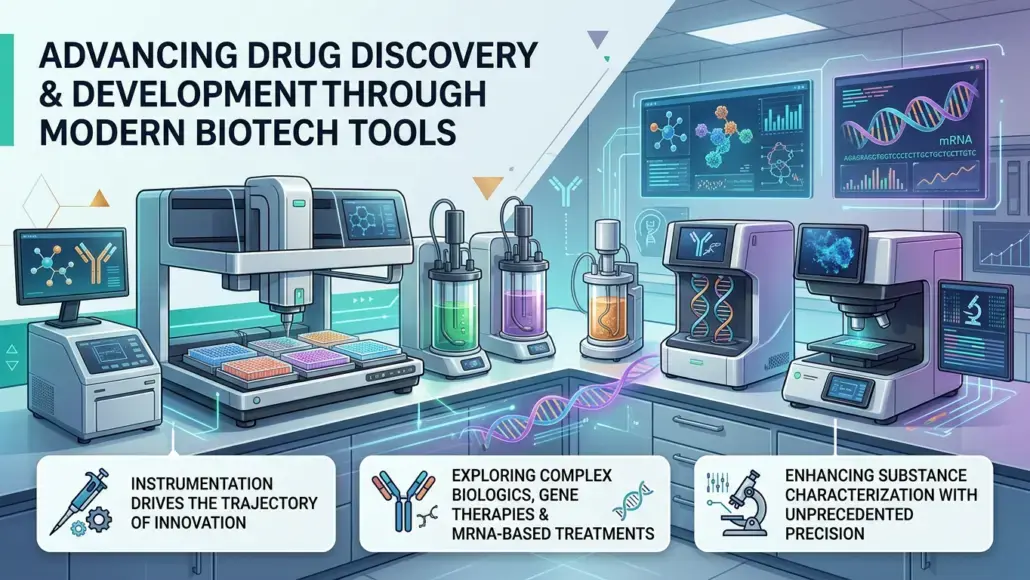
The trajectory of drug discovery and development is intrinsically linked to the capabilities of the instrumentation available to the scientist. In the current era of biotechnology, drug discovery investigations has expanded its scope from small molecule synthesis to the engineering of complex biologics, gene therapies, and mRNA-based treatments. This shift necessitates a corresponding advancement in laboratory tools that can characterize these substances with unprecedented precision. The ability to accurately measure molecular interactions, protein folding, and cellular responses is fundamental to identifying viable drug candidates and ensuring their safety and efficacy long before they enter clinical trials.
The research environment is characterized by a high degree of uncertainty, where thousands of potential molecules are evaluated for their therapeutic potential. In this context, the speed and accuracy of the analytical data are the primary drivers of decision-making. High-resolution imaging, molecular modeling, and automated synthesis have transformed the way that new drugs are designed. By integrating these diverse technologies, researchers can achieve a more comprehensive understanding of the biological targets they are addressing. This multidisciplinary approach is essential for overcoming the complex challenges associated with modern drug development and improving the probability of clinical success.
High-Resolution Separation and Characterization
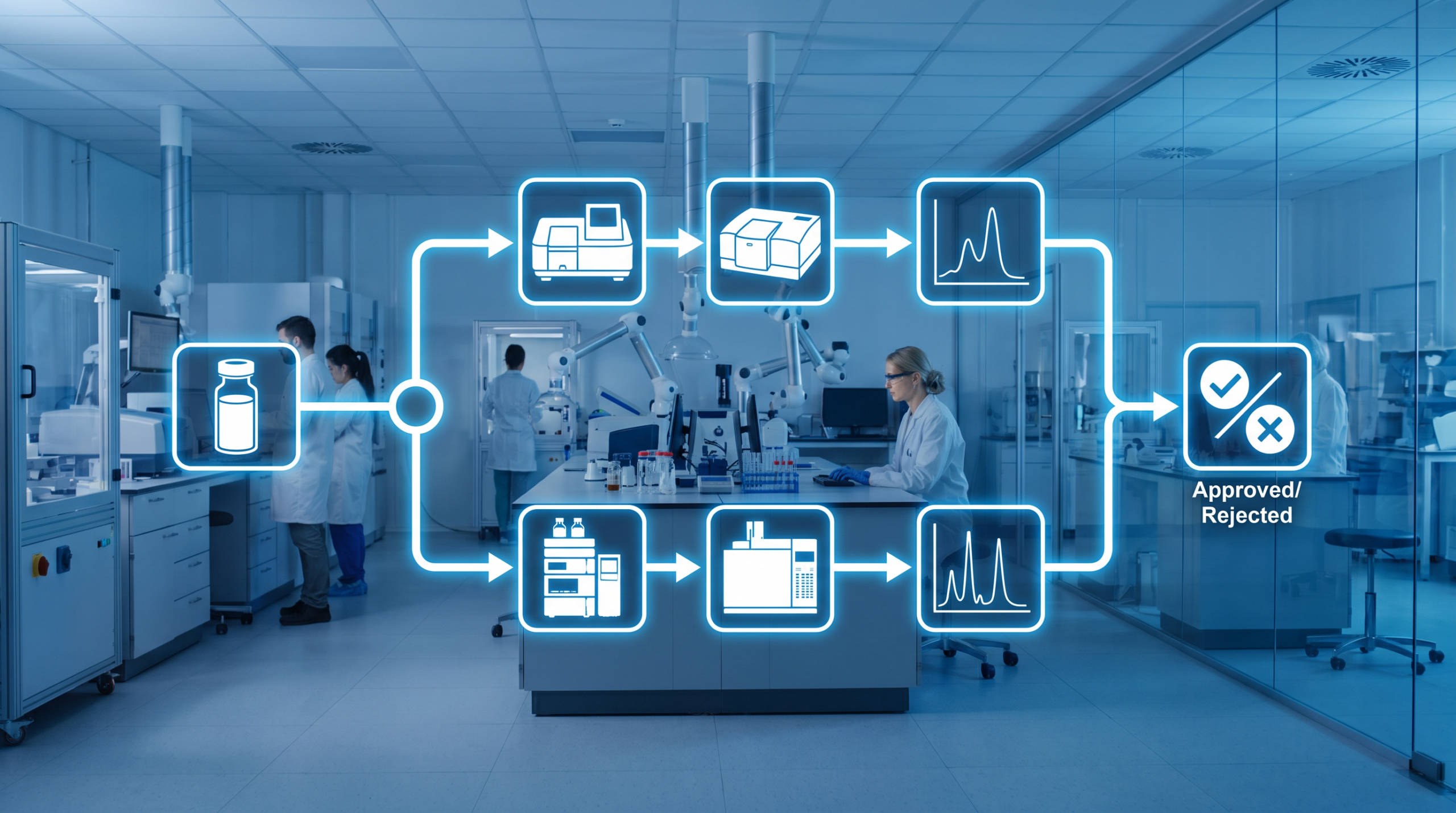
The identification of new lead compounds requires a rigorous analytical framework capable of distinguishing subtle chemical differences. Liquid chromatography combined with high-resolution mass spectrometry (LC-HRMS) has become the gold standard for metabolic profiling and pharmacokinetic studies within pharmaceutical research. These systems allow researchers to track how a potential drug is absorbed, distributed, metabolized, and excreted (ADME) in various biological models. By providing a detailed map of the molecule’s journey through a biological system, these instruments help in predicting potential toxicities and optimizing the dosing regimen for future human studies.
The characterization of biologics requires specialized tools like Size Exclusion Chromatography (SEC) and Ion Exchange Chromatography (IEX) to assess protein aggregation and charge heterogeneity. These factors are critical to the stability and immunogenicity of the final product. As drug discovery investigations increasingly focuses on targeted therapies, the demand for these high-resolution analytical techniques continues to grow. The data generated during these early-stage investigations form the basis for the regulatory filings that will eventually support the commercialization of the drug, making the reliability of the laboratory instrumentation a key factor in the overall success of the development program.
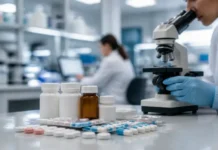
Advances in mass spectrometry have also enabled the more detailed analysis of post-translational modifications (PTMs), which can significantly affect the function and safety of biotherapeutic proteins. Techniques such as hydrogen-deuterium exchange (HDX) mass spectrometry are used to study protein dynamics and folding patterns, providing insights into the molecular structure that were previously inaccessible. These sophisticated tools allow researchers to detect even the most minor changes in the molecule, ensuring that the candidate drug is as pure and stable as possible. The commitment to maintaining the highest standards of analytical characterization is a hallmark of modern drug discovery investigations.
Automation in High-Throughput Screening
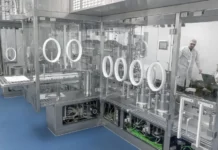
The initial phases of drug discovery often involve the screening of vast libraries of chemical compounds against specific biological targets. To manage this scale, pharmaceutical research has embraced high-throughput screening (HTS) technologies, which utilize robotic systems to perform thousands of assays simultaneously. Automated liquid handling workstations are central to these operations, providing the precision needed to dispense nanoliter volumes of reagents with high reproducibility. This reduction in volume not only saves precious samples but also significantly decreases the cost of the screening process, allowing for the exploration of a broader chemical space.
Beyond simple dispensing, modern HTS platforms integrate sophisticated detection systems, such as fluorescence resonance energy transfer (FRET) and bioluminescence resonance energy transfer (BRET), to monitor molecular binding events in real time. These automated workflows have drastically shortened the time required to identify “hits” and move them into the lead optimization phase. Industrial compressors supporting pharmaceutical manufacturing operations provide the reliable pneumatic power needed for the robotic arms and actuators in these high-tech labs. By automating these repetitive tasks, scientists are freed to focus on the higher-level analysis of the data, accelerating the overall pace of pharmaceutical research and increasing the efficiency of the discovery pipeline.
The use of cell-based assays in HTS has also become more prevalent, providing a more biologically relevant model for drug activity than traditional biochemical assays. These systems can monitor cellular phenotypes, such as changes in morphology or gene expression, in response to drug treatment. High-content screening (HCS) combines automated microscopy with sophisticated image analysis software to extract quantitative data from these complex biological samples. This level of detail allows researchers to identify compounds with the desired biological effect while also screening for potential off-target toxicities. The integration of HCS into the drug discovery process is a significant advancement for drug discovery investigations, providing a more holistic view of drug activity.
Dissolution and Stability Testing Protocols
Ensuring that a drug is released from its dosage form at the correct rate is a vital part of the formulation development process. Dissolution testing instruments simulate the physiological conditions of the human gastrointestinal tract to determine how quickly a tablet or capsule dissolves and releases the active ingredient. For modern drug discovery investigations, automated dissolution systems provide several advantages:
- Continuous monitoring of drug concentration through fiber-optic sensors, providing real-time data on the release profile.
- Precise control of temperature and agitation speed to mimic different biological environments, such as the stomach or the small intestine.
- Automated sampling at predefined intervals to create accurate dissolution profiles without the need for manual intervention.
- Integration with analytical systems like HPLC for immediate quantification of the dissolved drug, speeding up the analysis process.
- Ability to test a wide variety of dosage forms, including extended-release and topical formulations.
Stability testing is another critical component of the development lifecycle, assessing how a drug product changes over time under various environmental conditions, such as temperature, humidity, and light. Laboratory instruments like environmental chambers and photostability testers allow researchers to establish the shelf life of the product and determine the appropriate packaging and storage requirements. These studies are essential for meeting the International Council for Harmonisation (ICH) guidelines and ensuring that the drug remains safe and effective for the patient. The insights gained from these tests are often used to optimize the manufacturing process, highlighting the interconnected nature of drug discovery investigations and production.
The use of forced degradation studies is also common in stability testing, where the drug is exposed to extreme conditions to identify potential degradation products and establish the “stability-indicating” nature of the analytical methods. This proactive approach allows researchers to understand the degradation pathways of the molecule and design formulations that are more resistant to environmental stress. The data from these studies are vital for supporting the shelf-life claims made in the drug’s regulatory application. By focusing on the long-term stability of the product, organizations can ensure that their therapies remain effective throughout their entire lifecycle.
Data Management and Digital Transformation
The sheer volume of data generated by modern laboratory instruments poses a significant challenge for traditional record-keeping methods. The digital transformation of drug discovery investigations involves the implementation of integrated data platforms that can capture, store, and analyze information from multiple sources. Cloud-based laboratory information management systems (LIMS) allow researchers to access their data from anywhere, facilitating collaboration between different departments and global sites. This connectivity is particularly important for multi-disciplinary projects where biologists, chemists, and pharmacologists must work together.
The application of artificial intelligence (AI) and machine learning (ML) to this data is opening new frontiers in drug discovery. By training algorithms on historical assay results, researchers can predict the properties of new compounds before they are even synthesized. This “in silico” screening can narrow down thousands of potential candidates to the most promising few, significantly reducing the time and resources spent on physical laboratory testing. As these digital tools become more sophisticated, they will become an inseparable part of the drug discovery investigations toolkit, enabling a more data-driven and efficient approach to bringing new medicines to market.
Digital twins of laboratory processes are also being developed, allowing researchers to simulate experiments and optimize parameters in a virtual environment. This reduces the need for trial-and-error experimentation and allows for a more systematic exploration of the variables that affect experimental outcomes. The integration of digital twins with real-time data from the laboratory will enable a new level of process control and optimization. As the industry continues to embrace these digital solutions, the productivity of pharmaceutical research is expected to increase significantly, leading to a more rapid delivery of new treatments to patients.
Challenges and Future Directions
Despite the rapid advancement of technology, drug discovery investigations continues to face significant hurdles, particularly regarding the high cost of development and the low success rate of new drug candidates. To address these issues, the industry is exploring new models of innovation, such as organ-on-a-chip technology and micro-physiological systems. These miniature models of human organs provide a more accurate representation of human biology than traditional animal models, potentially improving the predictive power of pre-clinical studies. The integration of advanced biological models with high-precision analytical instruments will be a key focus of future research efforts.
The move toward more personalized medicine requires the development of companion diagnostics and biomarkers to identify the patients who are most likely to benefit from a particular treatment. This necessitates the creation of new laboratory instruments capable of detecting rare cells and genetic markers with high sensitivity. As the industry continues to evolve, the commitment to innovation in laboratory technology will remain the primary driver of progress in drug discovery investigations. By continuously pushing the boundaries of what is possible in the lab, the scientific community can ensure that the next generation of therapies is more effective and accessible.
Looking forward, the ethical considerations surrounding the use of AI and genetic data in drug discovery investigations will become increasingly important. Ensuring data privacy and maintaining transparency in the discovery process will be essential for building public trust in these new technologies. The industry must work closely with regulatory bodies to develop clear guidelines for the use of digital tools in drug development. By balancing technological advancement with ethical responsibility, the drug discovery investigations community can continue to improve human health and well-being for generations to come.