















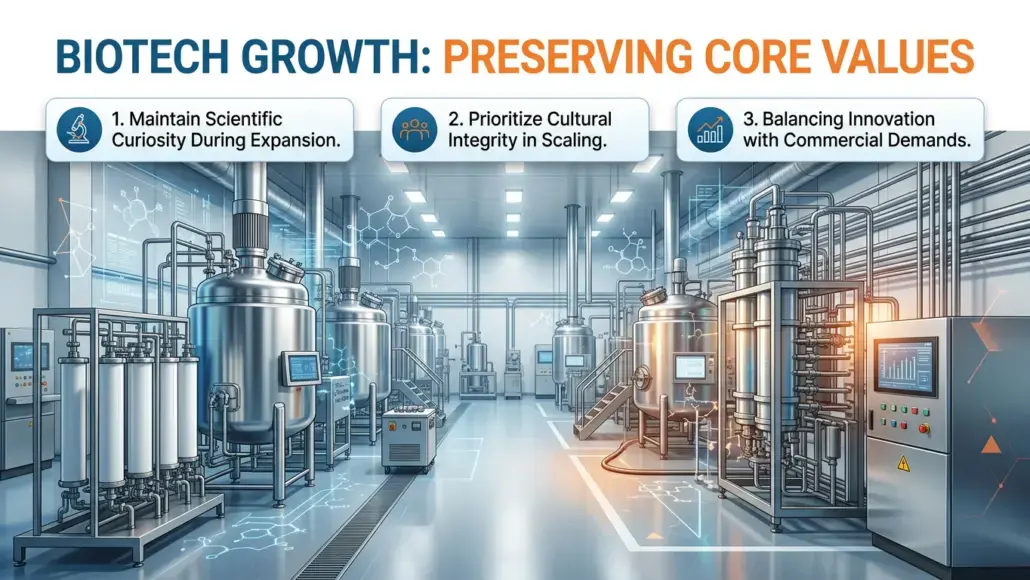
Rapid scaling in the biotechnology sector presents unique challenges that extend beyond logistics and capital allocation. As organizations transition from niche research entities into large scale pharmaceutical producers, the preservation of foundational values becomes paramount. This process requires a dedicated focus on culture stewardship to ensure that the core principles of scientific inquiry are not compromised by the demands of commercial acceleration. Maintaining this balance involves a deliberate effort to embed accountability into every level of the organization, particularly when the influx of new personnel threatens to dilute existing standards.
The expansion phase often necessitates a shift in operational dynamics, moving from centralized decision making to distributed laboratory networks. Such a transition requires a strong framework of culture stewardship to maintain consistency in data collection and reporting. Without a unified approach to scientific integrity, the risks of methodological drift increase significantly, potentially leading to discrepancies in clinical results or regulatory setbacks. Leaders must therefore prioritize the creation of a resilient organizational identity that rewards accuracy over speed, ensuring that the pursuit of innovation remains grounded in verifiable evidence.
Maintaining Methodological Rigor During Rapid Scaling
Ensuring scientific integrity requires a rigorous approach to experimental design and data management. In the early stages of biotech growth, research teams are often small and highly collaborative, allowing for natural oversight. However, as the workforce grows, informal communication channels are no longer sufficient to preserve these standards. Organization wide adoption of standardized operating procedures becomes a necessity, serving as the technical bedrock for culture stewardship within the lab environment.
Analytical precision must remain the primary objective, even when project timelines are compressed. The introduction of automated systems and advanced digital record keeping can assist in this regard, providing an immutable audit trail for all scientific activities. This technological integration supports the broader goal of maintaining a culture stewardship that values transparency and reproducibility. By institutionalizing these practices, pharmaceutical companies can protect themselves against the errors that frequently accompany rapid head count increases.
In addition, the onboarding process for new researchers should emphasize the ethical dimensions of scientific work. Training programs that focus on the consequences of data manipulation or selective reporting are essential for fostering a shared sense of responsibility. This educational foundation is a critical component of culture stewardship, as it aligns individual motivations with the long term goals of the enterprise. When every scientist understands their role in protecting the organization’s reputation, the overall quality of research remains high, regardless of the pace of expansion.
Standardizing Quality Protocols Across Global Sites
As biotechnology firms expand their footprint into international markets, the complexity of maintaining scientific integrity grows exponentially. Disparate regulatory environments and varying laboratory cultures can lead to inconsistencies if not managed through a centralized culture stewardship framework. To address these challenges, organizations should implement the following measures:
- Establish a global quality management system that harmonizes data entry and analysis protocols across all geographical locations.
- Conduct regular inter-laboratory comparisons and audits to identify potential deviations from established scientific standards.
- Implement a unified digital platform for real time collaboration, allowing senior scientists to provide oversight to remote teams.
- Foster a cross border exchange program where researchers spend time at different sites to internalize the corporate ethos.
The implementation of these protocols ensures that scientific integrity is not sacrificed for geographical reach. By creating a cohesive environment for data exchange, companies can ensure that culture stewardship remains a tangible presence in every satellite facility. This alignment is necessary for achieving enterprise-wide alignment in research and development, as it allows for the unified integration of diverse scientific perspectives into a single strategic vision. The ability to maintain high standards across multiple continents is a hallmark of a successful pharmaceutical expansion strategy.

Consistency in quality protocols also facilitates smoother interactions with regulatory bodies such as the FDA or EMA. When a company can demonstrate a high level of culture stewardship throughout its global network, it builds trust with auditors and inspectors. This trust is vital for the timely approval of new therapies, as it reduces the likelihood of extensive data queries or site specific holds. Ultimately, the standardization of scientific practices is not just a technical requirement but a strategic asset that supports the company’s commercial viability.
The Role of Leadership in Scientific Accountability
Leadership plays a decisive role in defining the parameters of scientific integrity within an expanding biotech firm. Senior executives must do more than just vocalize support for ethical research; they must demonstrate it through their allocation of resources and their response to scientific setbacks. A commitment to culture stewardship means providing the necessary funding for quality control departments and ensuring that scientists have the time required to perform thorough validations.
When leadership prioritizes short term financial gains over methodological rigor, the impact on culture stewardship can be devastating. This pressure can lead to a climate where researchers feel compelled to overlook negative data or rush through critical safety assessments. To prevent this, executives should establish clear boundaries between the commercial and scientific arms of the business. By protecting the autonomy of research teams, leaders can ensure that the integrity of the data remains the final arbiter in the product development process.
Additionally, fostering an environment where dissent is encouraged is vital for long term success. Scientific integrity thrives in a culture where researchers feel safe to question assumptions or report potential errors without fear of professional retribution. Leaders who actively seek out diverse opinions and promote a “no blame” approach to error reporting are the most effective practitioners of culture stewardship. This transparency not only leads to better scientific outcomes but also strengthens the moral fabric of the organization, making it more resilient to the pressures of external competition.
Preserving Collaborative Transparency Amid Commercial Pressure
The transition from a research focused startup to a commercially driven pharmaceutical entity often creates friction between different departments. Marketing and sales teams may push for early announcements or optimistic projections, while the scientific team remains cautious about the preliminary nature of their findings. Managing these conflicting interests requires a comprehensive application of culture stewardship to ensure that the scientific voice is not drowned out by commercial enthusiasm.
Transparency between departments is the most effective tool for managing these tensions. Regular cross functional meetings allow researchers to explain the nuances of their data to commercial leaders, ensuring that external communications are both accurate and realistic. This collaborative approach is a key element of culture stewardship, as it prevents the misrepresentation of scientific facts in the pursuit of market share. When the entire organization is aligned on the reality of the research, the risk of reputational damage is significantly reduced.
Additionally, the use of external scientific advisory boards can provide an objective perspective on the company’s progress. These independent experts can review internal data and offer unbiased assessments of the scientific integrity of the research. By inviting external scrutiny, a company demonstrates its commitment to culture stewardship and its willingness to be held to the highest global standards. This openness not only validates the internal research but also provides confidence to investors and partners who are looking for evidence of sustainable growth.
Long Term Stability Through Institutional Memory
As biotech companies grow, the loss of experienced personnel can pose a threat to scientific integrity. When key researchers leave the organization, they often take with them a deep understanding of the historical context and technical nuances of specific projects. Preserving this institutional memory is a vital task of culture stewardship, ensuring that the lessons of the past are not forgotten during the rush toward future goals.
Comprehensive documentation and knowledge management systems are essential for capturing this expertise. By requiring detailed reporting of both successful and unsuccessful experiments, companies can build a repository of knowledge that serves as a guide for future generations of scientists. This commitment to documentation is a practical manifestation of culture stewardship, as it ensures that the standards of scientific integrity are maintained even as the workforce evolves.
Finally, the long term stability of a biotech firm depends on its ability to cultivate internal talent. By providing clear career paths and opportunities for professional development, organizations can retain their most valuable researchers and ensure a continuity of leadership. This stability is the ultimate goal of culture stewardship, as it creates a self sustaining ecosystem where scientific integrity is woven into the very fabric of the corporate identity. When an organization can successfully pass its values from one generation of scientists to the next, it ensures its place as a leader in the pharmaceutical sector for years to come.
The integration of artificial intelligence and machine learning into the research workflow also offers new opportunities for culture stewardship. These tools can identify patterns in data that might be invisible to the human eye, providing an additional layer of verification for experimental results. By utilizing these technologies, companies can enhance their ability to detect anomalies or biases early in the development cycle. This proactive approach to scientific integrity demonstrates a forward thinking commitment to quality that is essential for competing in the modern biotech environment.
In parallel, the establishment of internal ethical review committees can provide ongoing guidance on complex research questions. These committees, composed of senior scientists and legal experts, can evaluate the implications of new research directions and ensure they align with the company’s core values. This internal oversight is a vital component of culture stewardship, as it provides a structured framework for addressing ethical dilemmas before they become systemic issues. By institutionalizing these review processes, pharmaceutical firms can ensure that their growth is both rapid and responsible.
Ultimately, the success of a biotech expansion depends on the strength of its foundational culture. Scientific integrity is not a static goal but a continuous process that requires constant attention and reinforcement. Through a combination of rigorous protocols, transparent communication, and dedicated leadership, organizations can maintain their standards even in the face of extreme commercial pressure. The companies that prioritize culture stewardship will be the ones that not only survive the expansion phase but thrive in the long term, delivering innovative therapies that are built on a foundation of trust and reliability.