













Three in four U.S. adults take dietary supplements, according to the Council for Responsible Nutrition’s 2026 consumer survey. Most of the quality conversation around those products still stops at the production line: ingredient sourcing, potency testing, batch release. Then the finished goods move to a warehouse, and the paperwork thins out.
That’s a mistake. Once a supplement is packaged and labeled, it’s still inside a regulated chain. Where it sits, how long it sits there and how it travels to the customer all bear on whether the product that was released is the product that arrives.
Why the Warehouse Is Part of the Quality System
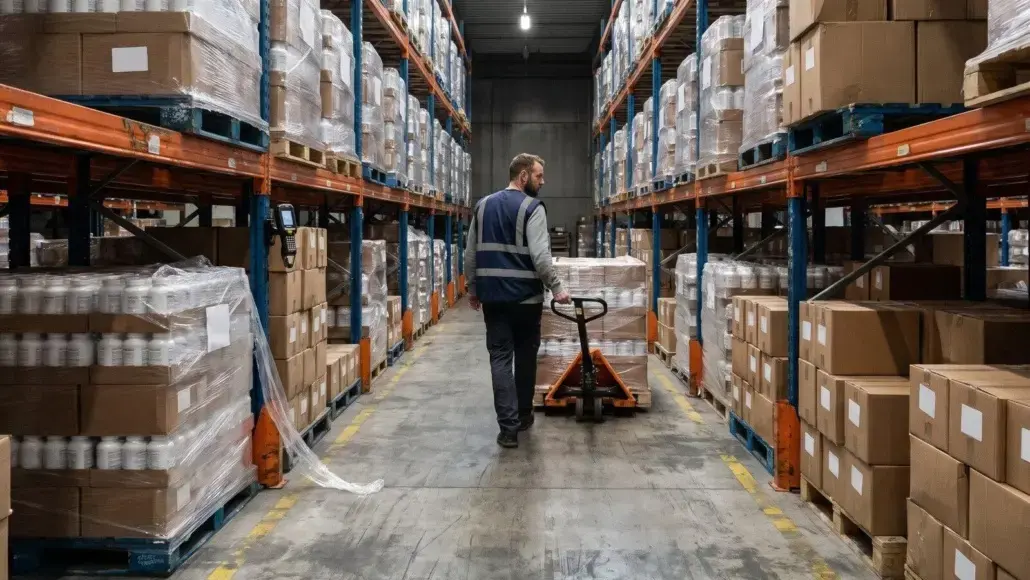
Picture a mid-size nutraceutical brand that has outgrown packing orders by hand. Its QA team is spending afternoons on pick lists instead of release testing and batch records. The obvious fix is outsourced supplement and vitamin fulfillment, and it’s a sound one. But the brand still owns the compliance outcome. The handoff deserves the same rigor as a contract manufacturing agreement: written specifications, audit rights and clear responsibility for deviations.
The regulatory footing is plain. FDA’s current good manufacturing practice rule for dietary supplements, 21 CFR Part 111, doesn’t apply only to people who make the product. It covers firms that package, label and hold it too. A distributor sitting on finished, labeled inventory has holding and distribution duties of its own, and the brand that put its name on the label answers for them in practice.
Holding Conditions: Temperature, Humidity and Light
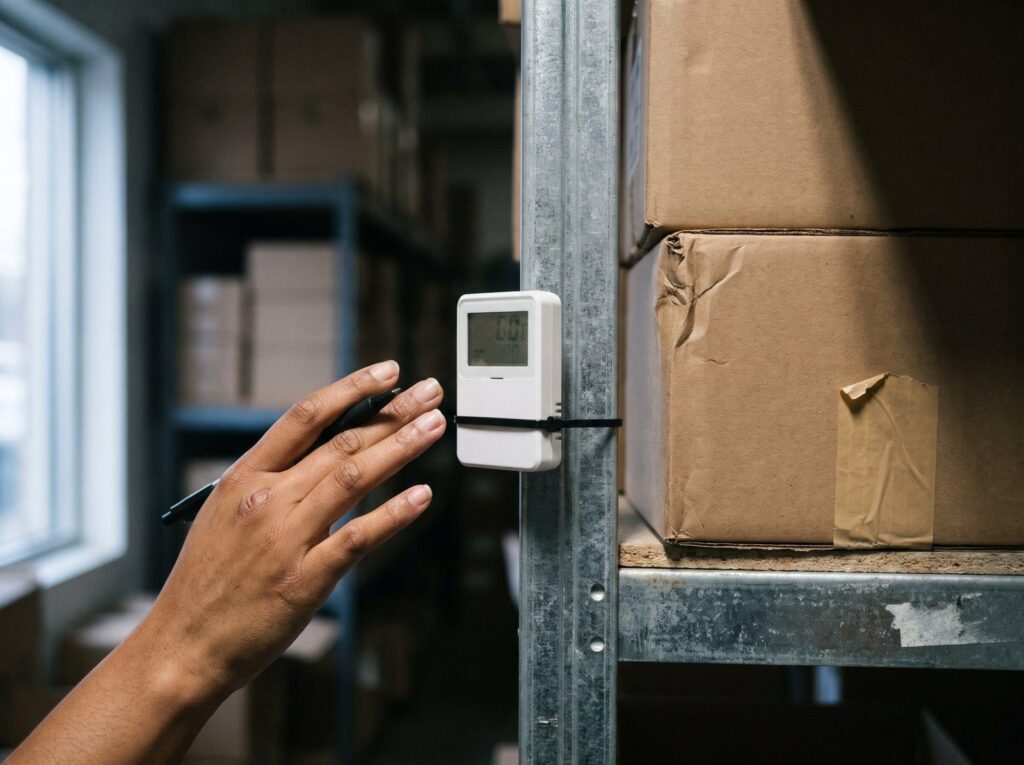
Part 111 is direct about storage. Dietary supplements must be held under appropriate conditions of temperature, humidity and light, so that identity, purity, strength and composition aren’t affected. There’s no exemption for a third-party site.
In practice that means mapped storage zones, calibrated monitoring devices, alarms that someone actually answers, and a physical quarantine area for anything rejected or on hold. A pallet of returned product that drifts back onto a pick face is a deviation waiting to happen.
Formulations are also getting less forgiving. Probiotics, liposomal delivery formats and other science-first products are moving from niche to mainstream, a shift covered in World Pharma Today’s look at ingredient trends reshaping nutraceutical formulation. More fragile actives mean less tolerance for a warehouse that treats vitamin D softgels and live cultures as the same SKU.
Traceability, Expiry Dating and Records

Every unit that leaves a facility should trace back to a batch. That depends on lot numbers captured at pack-out and carried through inventory, not reconstructed after a complaint.
Good operations rotate stock by expiry (first-expired, first-out) rather than by arrival date, keep returns segregated until QA decides their fate, and can run a mock recall in hours instead of days. The FDA small entity compliance guide remains the agency’s plain-language walkthrough of what the rule expects from each type of firm.
Inspectors know warehouses are in scope. FDA Compliance Program 7321.008 directs investigators to examine firms that hold or fulfill supplements without manufacturing them: the physical plant, sanitation and pest control, written holding procedures, and distribution records. If a partner can’t produce those on request, that’s your answer.
Shipping Without Degrading the Product
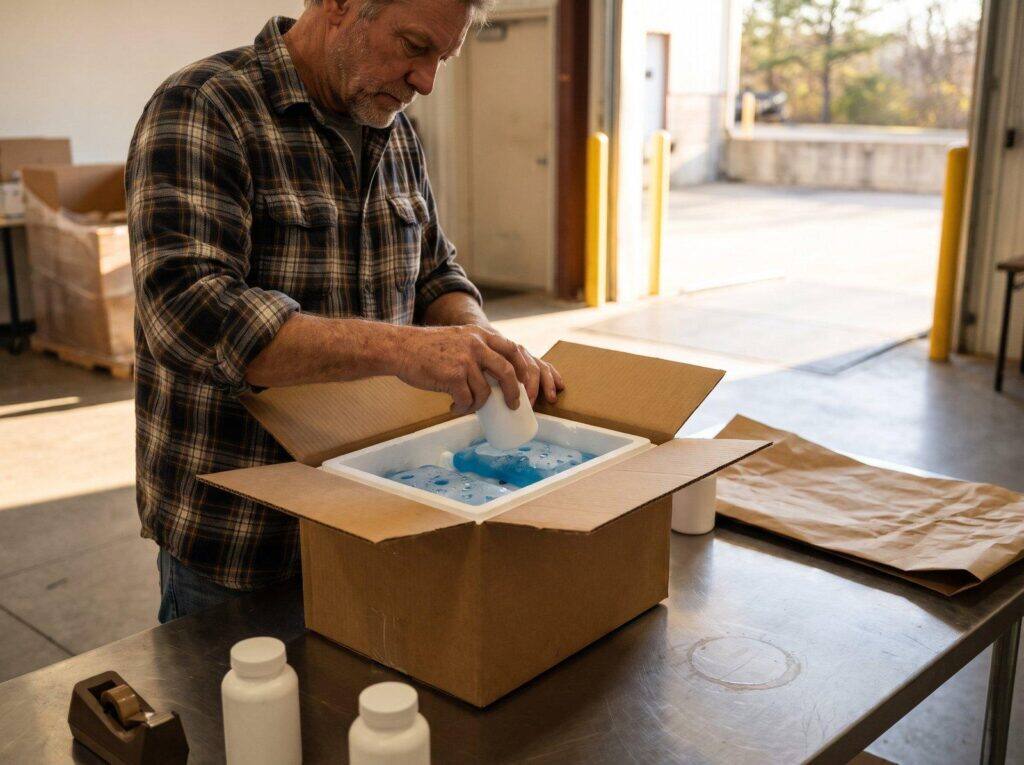
The rule also requires that finished product be distributed under conditions that protect it from contamination and deterioration. Summer is where this gets tested. A pallet that was fine in a climate-managed building can spend days in a truck or on a loading dock.
Seasonal packaging protocols, sensible carrier selection and damage tracking are quality controls, not cost lines. I’d argue the same thinking pharma applies to supply chain resilience in pharma packaging belongs in nutraceutical distribution. The tradeoff is real, though: insulated shippers and faster service levels cost more per order, and brands have to decide which SKUs justify them. Probiotics usually do. Magnesium tablets often don’t.
What to Ask Before Outsourcing
Consumers are paying attention to oversight. In the same CRN 2026 survey, 76% of adults said mandatory FDA listing of marketed supplements would raise their confidence, and 77% said stronger enforcement against illegal, contaminated or misleading products would. Brands that can document control after production are better placed when that scrutiny arrives. The CRN 2026 consumer survey has the full results.
Before signing with a fulfillment partner, get clear answers to five questions:
- Is the facility registered with FDA, and what is its inspection history?
- Has it been audited against Part 111 holding and distribution requirements?
- Are written holding and distribution procedures available for review?
- Can it manage inventory at lot level, including expiry dates?
- Has it run a recall drill, and can it show the results?
Closing the Gap After Production
Compliance doesn’t end when the last bottle comes off the line. For nutraceutical and supplement brands, the warehouse is where documented quality either holds or quietly erodes. Treat a fulfillment partner as an extension of your quality system, audit it like one, and the distribution stage stops being the weakest link.