









The emergence of chimeric antigen receptor T cell therapy has been one of the most significant breakthroughs in the history of hematology oncology. By re engineering a patient’s own immune cells to recognize and attack cancer, researchers have achieved unprecedented remission rates in patients with advanced leukemias and lymphomas. However, the current generation of CAR-T therapy is limited by a complex and costly manufacturing process that requires cells to be harvested, modified in a lab, and then re infused into the patient. This ex vivo approach often takes weeks, a timeframe that many critically ill patients simply do not have. As the industry seeks to overcome these hurdles, the development of in vivo cell engineering is beginning to emerge as the next major step, one that effectively sets a new oncology standard for the delivery of living drug therapies.
This new approach involves delivering the genetic instructions for the CAR directly to the T cells while they are still inside the patient’s body. By eliminating the need for external manufacturing, researchers can significantly reduce the cost and complexity of treatment while making it available to a much broader population. The move toward in vivo modification represents a fundamental change in the field of gene therapy cancer, moving away from specialized treatment centers and toward a more decentralized and accessible model of care.
The Mechanistic Shift Toward Direct Cellular Modification
The core challenge of in vivo engineering is ensuring that the genetic material is delivered specifically to the correct immune cells without causing unintended effects in other tissues. In traditional CAR-T, this is done in a controlled lab environment. In the in vivo model, researchers utilize specialized delivery vehicles, such as lipid nanoparticles or viral vectors, that are engineered to target surface markers found exclusively on T cells. Once these vehicles bind to the T cells, they release their cargo, which then integrates the CAR gene into the cellular genome.
This process essentially turns the patient’s own body into a manufacturing site for its own medicine. The ability to generate these “living drugs” in real time offers several clinical advantages. It avoids the “fitness” issues that can occur when T cells are expanded outside the body, and it eliminates the need for the lymphodepleting chemotherapy that is currently required to make room for ex vivo modified cells. This leads to a safer and more tolerable treatment experience for the patient, which is essential for expanding the use of cell therapy innovation beyond the most severe cases.
The Rise of Non Viral CAR-T Platforms
While viral vectors have been the gold standard for gene delivery for years, they carry inherent risks, including the potential for insertional mutagenesis and immune responses against the virus itself. Additionally, the manufacturing of viral vectors is a major bottleneck in the immunotherapy pipeline, with long lead times and high costs. This has led to an intense focus on the development of a non-viral CAR-T platform that can deliver genetic material more safely and efficiently.
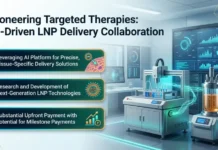
Lipid nanoparticles, similar to those used in mRNA vaccines, are emerging as a leading alternative. These particles can be easily synthesized at scale and can be engineered to carry large genetic payloads. When combined with advanced gene editing tools like CRISPR or transposon systems, these non viral vehicles can achieve stable and precise integration of the CAR gene. The move toward non viral delivery is a key part of how the industry is working to make cell therapy more like a traditional pharmaceutical product, one that can be manufactured at scale, stored in a pharmacy, and administered as a simple injection.
Expanding Applications Beyond Liquid Tumors
The primary success of CAR-T therapy has been in hematological malignancies, where the target antigens are well defined and accessible. However, the vast majority of cancer deaths are caused by solid tumors, which have proven much harder to treat with cell based approaches. Solid tumors present a hostile microenvironment that can suppress immune activity, and they often lack a single, uniform antigen that can be safely targeted without damaging healthy tissue.
In vivo engineering offers new ways to address these challenges. By delivering multiple genes at once, researchers can create T cells that are not only targeted to the tumor but also resistant to the immunosuppressive signals it produces. For example, a single in vivo treatment could engineer T cells to express a CAR while simultaneously secreting cytokines that stimulate the surrounding immune environment. This multifaceted approach is a major focus of current living drug development, as it provides a way to tackle the complexity of solid tumors that was previously out of reach.
Addressing the Economic and Logistical Barriers to Access
The current cost of CAR-T therapy, often exceeding four hundred thousand dollars per patient, is a significant barrier to its widespread adoption. This cost is driven by the intensive labor and specialized infrastructure required for ex vivo manufacturing. By shifting to an in vivo model, the industry can eliminate much of this expense, making these life saving treatments more sustainable for healthcare systems around the world.
Additionally, the logistical burden on patients and providers would be greatly reduced. Currently, patients must travel to specialized centers for cell collection and infusion, a process that can be exhausting and disruptive. An in vivo therapy that could be administered at a local oncology clinic would fundamentally change the patient experience. This decentralization of care is a vital component of how the new technology sets a new oncology standard, ensuring that the benefits of gene therapy are not limited to those living near major academic medical centers.
Regulatory and Safety Considerations for In Vivo Gene Therapy
As with any new technology, the move toward in vivo modification brings with it new safety concerns that must be rigorously addressed. A primary concern is the risk of off target gene delivery, where the CAR is expressed in cells other than the intended T cells. This could lead to unpredictable toxicities or the development of new malignancies. Regulatory agencies like the FDA are requiring extensive preclinical data to demonstrate the specificity and stability of these delivery systems.
There is also the question of how to manage the intense immune response that can occur when a large number of CAR-T cells are generated simultaneously in the body. Cytokine release syndrome is a known complication of traditional CAR-T, and researchers must develop strategies to monitor and control this response in an in vivo setting. This might include the use of “suicide genes” or other safety switches that allow the engineered cells to be turned off if a severe reaction occurs. Building a comprehensive safety framework is essential for the long term success of this field.
The Future of the Immunotherapy Pipeline
The transition to in vivo engineering is part of a broader trend toward more sophisticated and personalized immunotherapies. As our understanding of the immune system continues to grow, we are seeing the development of new types of engineered cells beyond T cells, including NK cells and macrophages. These cells offer different advantages and could be used to treat a wider range of conditions, from autoimmune diseases to chronic infections.
The integration of artificial intelligence and high throughput screening into the discovery process is also accelerating the development of new CAR designs and delivery vehicles. By simulating millions of interactions, researchers can identify the most promising candidates for clinical testing more quickly than ever before. This rapid pace of innovation ensures that the immunotherapy pipeline will continue to deliver new and more effective treatments for years to come. The ultimate goal is a future where “living drugs” are a routine part of the medical toolkit, providing personalized and durable cures for a wide variety of human diseases.
Strategic Implications for the Biopharma Sector
The shift toward in vivo engineering is also reshaping the competitive environment for biopharma companies. Those that have invested heavily in ex vivo manufacturing infrastructure may find themselves at a disadvantage as the industry moves toward a more streamlined model. Conversely, companies with expertise in nanoparticle delivery, gene editing, and immunology are well positioned to lead this new era of innovation.
We are seeing a wave of partnerships and acquisitions as firms seek to secure the technologies needed for in vivo modification. This consolidation is a clear signal that the industry views this approach as the future of the field. For investors, the potential for lower costs and a larger addressable market makes in vivo CAR-T a highly attractive area of development. The successful commercialization of these therapies will require a combination of scientific excellence, regulatory savvy, and strategic vision.
Conclusion and the New Oncology Paradigm
In summarizing the current state of the industry, it is clear that we are at the beginning of a new chapter in the history of cancer treatment. The ability to engineer the immune system in vivo represents a victory for scientific ingenuity and a major step forward for patient care. By overcoming the limitations of ex vivo manufacturing, we are creating a more efficient, accessible, and potent form of therapy.
The process of setting a new oncology standard is a collaborative effort that requires the participation of researchers, clinicians, regulators, and industry leaders. While there are still many challenges to overcome, the progress made to date is incredibly encouraging. As in vivo CAR-T and other living drug therapies move through the clinic and into routine practice, they will provide new hope for millions of patients and will fundamentally change the way we think about the treatment of human disease. The era of the “off the shelf” living drug is within reach, and its impact on the future of medicine will be profound.