









The biopharmaceutical sector is currently navigating an era of unprecedented growth and technological complexity. As the global drug pipeline shifts toward advanced modalities such as cell and gene therapies, bispecific antibodies, and complex mRNA formulations, the demands placed on manufacturing infrastructure have reached a critical point. Many emerging biotech firms and even established pharmaceutical giants are finding that the specialized skills and massive capital investments required to build internal production facilities are prohibitive. This has led to a significant reliance on the service sector, where CDMO strategies powering the next-gen biopharma surge are becoming the backbone of the entire industry.
Modern contract development manufacturing organizations are no longer just vendors providing excess capacity; they have become strategic partners that offer deep scientific expertise and flexible operational models. The ability to move a molecule from the lab to commercial scale efficiently is the primary differentiator in a competitive market. As a result, the relationship between developers and manufacturers is evolving from a transactional arrangement to a long term, integrated collaboration that prioritizes speed, quality, and regulatory success. This shift is fundamental for ensuring that the next generation of life saving treatments can reach patients without the bottlenecks that have historically plagued the sector.
Navigating the Global Biologics Manufacturing Capacity Crunch
One of the most pressing challenges in the industry today is the widening gap between the demand for biologics and the available manufacturing capacity. The production of monoclonal antibodies and other large molecule drugs requires specialized bioreactors and sophisticated purification systems that are in high demand worldwide. For many companies, securing a slot at a reputable manufacturer has become a multi year process that can significantly delay clinical trials and product launches.
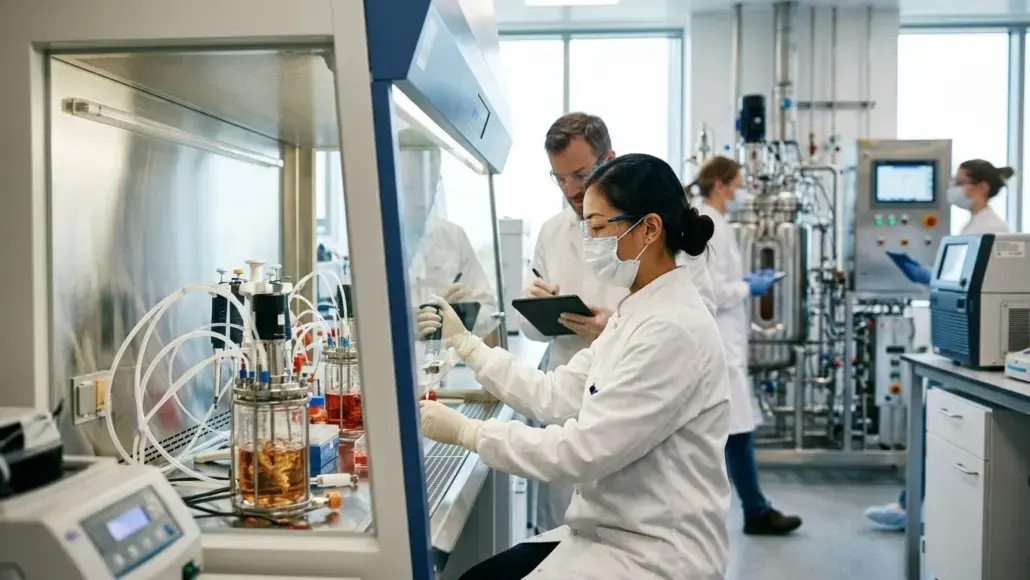
To address this, leading service providers are investing billions in expanding their global footprints. We are seeing a surge in the construction of massive production hubs in Europe, North America, and Asia, designed to provide the drug substance production capabilities needed by the industry. However, capacity is not just about the size of the tanks; it is also about the flexibility of the systems. The move toward single use technology and modular facility design allows manufacturers to switch between different products more quickly and to scale production up or down as needed. This agility is a key component of any successful CMO strategy in the modern biopharma environment.
The Evolution of Biopharma Outsourcing Models
The traditional model of biopharma outsourcing was often fragmented, with companies using different vendors for discovery, clinical testing, and commercial manufacturing. This created significant risks during the tech transfer process, as critical information and process knowledge could be lost when moving between organizations. To mitigate these risks, the industry is moving toward “end to end” service models where a single partner handles the entire lifecycle of the drug.
These integrated CDMO partnerships offer several advantages. By staying with one partner from early development through commercialization, companies can ensure a smoother transition between phases and a more consistent regulatory narrative. A single partner who understands the history of the molecule and the nuances of the manufacturing process can more easily troubleshoot issues and optimize yields. This level of continuity is particularly important for the next generation of complex biologics, where the process is often as important as the product itself.
Addressing the Technical Complexity of Next Gen Modalities
The rise of cell and gene therapies has introduced a new level of difficulty to the manufacturing sector. Unlike traditional drugs that are produced in large batches, these therapies are often patient specific or require highly specialized viral vectors for delivery. The manufacturing process for these products is labor intensive, expensive, and fraught with technical hurdles.
Specialized manufacturers are developing new platforms to automate and standardize these processes. By using closed, automated systems, they can reduce the risk of contamination and improve the consistency of the final product. Additionally, the industry is focusing on the development of more efficient ways to produce viral vectors, which are currently a major bottleneck in the gene therapy pipeline. These technical advancements are a vital part of the CDMO strategies powering the next-gen biopharma surge, as they provide the foundation for making these advanced treatments a clinical reality.
The Role of Manufacturing Partnerships in Regulatory Success
Navigating the regulatory environment is one of the most difficult aspects of drug development. The FDA and other agencies require detailed information on every aspect of the manufacturing process to ensure that the drug is safe, pure, and effective. For many small biotech firms, the complexity of preparing these filings can be overwhelming.
This is where the expertise of a seasoned contract manufacturer becomes invaluable. Experienced partners have a deep understanding of regulatory requirements and have a track record of successful inspections. They can provide the documentation and data needed to support a Biologics License Application and can assist in the design of the analytical studies required for approval. A strong manufacturing partnership is often the difference between a smooth regulatory path and a series of costly delays. By leveraging the expertise of their partners, biopharma companies can focus on their core strengths in research and clinical development while leaving the complexities of compliance to the experts.
Strategic Supply Chain Management in the Biopharma Sector
The stability of the pharma supply chain is a top priority for manufacturers and developers alike. The production of biologics requires a steady supply of high quality raw materials, from cell culture media and buffers to specialized filters and chromatography resins. Any disruption in this supply chain can bring production to a halt and put patient lives at risk.
Leading service providers are taking a more proactive approach to supply chain management by building deeper relationships with their own suppliers and by maintaining larger inventories of critical materials. They are also investing in digital tools that provide better visibility into the supply chain, allowing them to anticipate and mitigate potential disruptions. This focus on supply chain resilience is a key element of the broader strategy to ensure the continuous availability of essential medicines. In an increasingly uncertain global environment, the ability to guarantee supply is a major competitive advantage for any manufacturing partner.
Economic Implications of the Shift Toward Contract Services
The financial case for outsourcing has never been stronger. By partnering with a CDMO, companies can avoid the massive upfront costs of building and maintaining their own facilities. This allows them to preserve capital for research and to move more candidates through their pipelines. For many investors, the use of a contract manufacturer is seen as a way to reduce the overall risk of a biotech investment.
Additionally, the scale and efficiency of large contract manufacturers can often lead to lower production costs per unit compared to what a smaller company could achieve on its own. These savings can be reinvested into further innovation or used to lower the cost of treatment for patients. The growth of the contract manufacturing sector is a sign of a maturing industry that is learning how to optimize its resources to deliver the greatest impact. The economic benefits of this model are a powerful driver of the ongoing biopharma surge.
Future Trends in Contract Development and Manufacturing
Looking ahead, we can expect to see even more innovation in the contract manufacturing space. The use of artificial intelligence to optimize bioreactor conditions and to predict equipment failure is an area of active investment. We are also seeing a move toward more localized manufacturing, with the development of “factory in a box” systems that can be deployed quickly in different regions to meet local demand.
The collaboration between developers and manufacturers will also continue to deepen, with the emergence of “co development” models where both parties share the risks and rewards of a new drug program. This level of alignment ensures that both partners are fully committed to the success of the product and that they are working together to solve any challenges that arise. The future of biopharma is one of deep integration and shared expertise, with the service sector playing a central role in every step of the process.
Consolidating the Role of Manufacturers in the Biopharma Ecosystem
To conclude this analysis this analysis, it is clear that the success of the next generation of biopharmaceuticals is inextricably linked to the capabilities and strategies of the contract manufacturing sector. The ability to handle the immense technical and logistical challenges of modern drug development is what makes these organizations so essential to the modern healthcare environment.
The CDMO strategies powering the next-gen biopharma surge are about more than just providing capacity; they are about providing the scientific, regulatory, and operational expertise needed to turn a breakthrough discovery into a life saving treatment. As the industry continues to evolve, the partnership between developers and manufacturers will remain the most critical factor in determining which therapies reach the market and how effectively they can be delivered to patients in need. The era of the strategic manufacturing partner is here, and it is fundamentally changing the trajectory of the life sciences sector.