






Close
CDMO Safety Testing 2026
Novotech

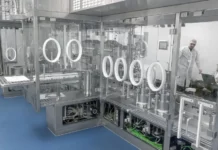
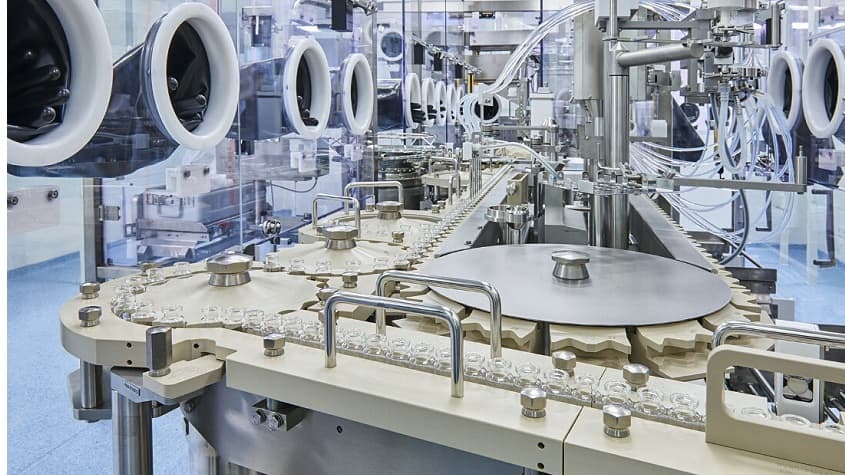
RABS and isolator cleanroom technology combined in V-CRT®

Note* - All images used are for editorial and illustrative purposes only and may not originate from the original news provider or associated company.

Subscribe

- Never miss a story with notifications

- Gain full access to our premium content

- Browse free from any location or device.

Media Packs

Expand Your Reach With Our Customized Solutions Empowering Your Campaigns To Maximize Your Reach & Drive Real Results!

– Access the Media Pack Now

– Book a Conference Call

Leave Message for Us to Get Back

Related stories

AI-Driven Cold Chains Transforming Pharma Supply Systems

The integration of artificial intelligence into cold chain management is reshaping the pharmaceutical supply landscape. AI-driven cold chains utilize predictive visibility and intelligent thermal control to optimize logistics operations across global networks. By anticipating risks and automating complex decisions, these systems ensure the integrity of temperature-sensitive medications, significantly enhancing the reliability and efficiency of pharmaceutical distribution on a global scale.

Cold Chain Intelligence Enhancing Pharma Logistics Safety

Global pharmaceutical logistics faces unprecedented challenges in maintaining product integrity during transit. Cold chain intelligence offers a sophisticated solution by integrating predictive monitoring and thermal assurance into a connected supply chain. This approach ensures that life-saving medications and vaccines reach their destination without compromising safety or efficacy, marking a significant evolution in healthcare distribution.

Digital Supply Networks Strengthening Pharma Delivery

The transition from traditional linear supply chains to integrated digital supply networks is revolutionizing how pharmaceutical products are delivered. By leveraging connected visibility and real-time analytics, these networks enhance the resilience of cold chain operations. This technological evolution ensures that healthcare systems can respond dynamically to shifts in demand while maintaining the highest standards of safety and efficiency for patient care.
- Advertisement -

Significant innovation in disease treatment, including the increased focus on complex biologic therapies1, has resulted in important industry trends that have had an impact on many aspects of aseptic processing.

For example:

  • Pharmaceutical portfolios are shifting as companies meet the demand for more specialized treatments (including orphan drugs) and prefilled delivery systems.
    The desire for flexibility is growing to help anticipate future format, packaging and filling needs
  • Quality assurance regulations, such as visual inspection requirements and germ load standards, are becoming increasingly stringent

CDMOs today need to advance their aseptic processes and technology to meet the competing demands for the highest levels of quality and flexibility.

RABS or isolators, or both?
At their core, aseptic processes and technologies are designed to minimize any contact between a drug product and the outside environment, therefore minimizing any chance for contamination. Historically, two distinct cleanroom technologies have been employed to this end: isolators and restricted access barrier systems (RABS). Isolators are often considered the best solution for a high level of sterility, whereas RABS permit greater flexibility and higher capacity of filling lines when running multiple products.

Definition of RABS & Isolator technology
What are the differences between these two systems?

Isolator technology
Isolators are fully sealed units entirely shut off from the outside environment. Because isolators need extensive decontamination between product changeovers, they are better suited for large-scale runs of single products.

RABS technology
A barrier and dynamic airflow provide separation between the environment and drug product. Restricted access barrier systems (RABS) offer the advantage of faster setup, efficient product changeover and flexibility to run multiple products.

The current challenge for manufacturers is that today’s market requires the advantages of both cleanroom technologies.

Improved RABS concept: V-CRT®
The Vetter answer to today’s challenges is V-CRT® – a concept that combines the advantages of isolator and RABS technology. This approach allows companies to achieve safety and quality standards that are competitive with isolator performance, yet take advantage of the flexibility of restricted access barrier systems.

The innovative concept is based on the central idea of fully automated decontamination in the entire cleanroom, including the RABS, using H2O2. V-CRT® is a novel two-barrier concept that minimizes risk of contamination. This allows V-CRT® to provide a number of advantages over existing concepts:

  • Fast decontamination allows for efficient product changeover
  • H2O2 decontamination of the entire cleanroom prior to each batch mitigates risk of microbial contamination
  • Continuous online monitoring of several variables helps ensure the effectiveness of the decontamination process
  • Containment approach follows a closed system concept, keeping the RABS doors closed at all times after decontamination
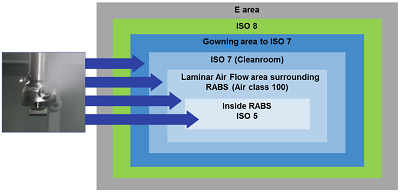
                   Automated decontamination process

The bottom line is that, by combining the benefits of isolators and RABS, V-CRT® achieves quality and safety standards that well exceed cGMP with a fast cycle time (approximately 3 hours) that reduces downtime and increases capacity utilization and flexibility for the customers.

 

Author: Ute Schleyer

Author Image

Ute Schleyer , Ph.D. Project Manager, Site & Plant Development, Vetter Pharma-Fertigung GmbH & Co. KG Ute Schleyer, Ph.D. was appointed Project Manager in the Site & Plant Development department of Vetter in 2016. In this position, she is responsible for supporting projects in the field of pharmaceutical technology. Ute joined Vetter in 2007 as Manager of Aspetic Production.

She was promoted to the position of Head of Production in 2008 in the area of manufacturing and filling of sterile drug products, which includes various single and dual-chamber filling lines. After receiving her Ph.D. in biology from the Johann Wolfgang von Goethe-Universität Frankfurt, Ute held the position of lab supervisor in the Institute of Biotechnology, based in the Research Center Juelich, one of the large interdisciplinary research institutions in Europe.

World Pharma Today brings together the global pharmaceutical industry — from R&D leaders and regulatory affairs professionals to manufacturers and distribution executives — through trusted editorial, market intelligence, and digital engagement.

Our 2026 Media Pack offers integrated solutions to reach your audience:

  • Magazine & Digital Editions Showcase your brand within premium pharmaceutical industry coverage read by executives and decision - makers worldwide.
  • Industry Insights & Reports Align with data - driven analysis, trend reports, and regional roundups across the global pharmaceutical and life sciences value chain.
  • Brand Authority & Credibility Position your company as a thought leader through expert commentary, interviews, and special features.

Latest stories

Related stories

AI-Driven Cold Chains Transforming Pharma Supply Systems

The integration of artificial intelligence into cold chain management is reshaping the pharmaceutical supply landscape. AI-driven cold chains utilize predictive visibility and intelligent thermal control to optimize logistics operations across global networks. By anticipating risks and automating complex decisions, these systems ensure the integrity of temperature-sensitive medications, significantly enhancing the reliability and efficiency of pharmaceutical distribution on a global scale.

Cold Chain Intelligence Enhancing Pharma Logistics Safety

Global pharmaceutical logistics faces unprecedented challenges in maintaining product integrity during transit. Cold chain intelligence offers a sophisticated solution by integrating predictive monitoring and thermal assurance into a connected supply chain. This approach ensures that life-saving medications and vaccines reach their destination without compromising safety or efficacy, marking a significant evolution in healthcare distribution.

Digital Supply Networks Strengthening Pharma Delivery

The transition from traditional linear supply chains to integrated digital supply networks is revolutionizing how pharmaceutical products are delivered. By leveraging connected visibility and real-time analytics, these networks enhance the resilience of cold chain operations. This technological evolution ensures that healthcare systems can respond dynamically to shifts in demand while maintaining the highest standards of safety and efficiency for patient care.

Move Beyond Visibility: Why Cold Chain Orchestration is Now Essential for Thermal Assurance

As life sciences supply chains become more volatile, real-time...

Subscribe

- Never miss a story with notifications

- Gain full access to our premium content

- Browse free from any location or device.

Media Packs

Expand Your Reach With Our Customized Solutions Empowering Your Campaigns To Maximize Your Reach & Drive Real Results!

– Access theMedia Pack Now

– Book a Conference Call

Leave Message for Us to Get Back

Translate »