











Obesity treatment is entering a more competitive phase. Ozempic and Mounjaro helped make GLP-1-based medicines mainstream, but the next wave is looking beyond simply producing weight loss.
The opportunity is significant because obesity remains widespread. U.S. data show that 40.3% of adults had obesity in 2021–2023, while 9.7% had severe obesity.
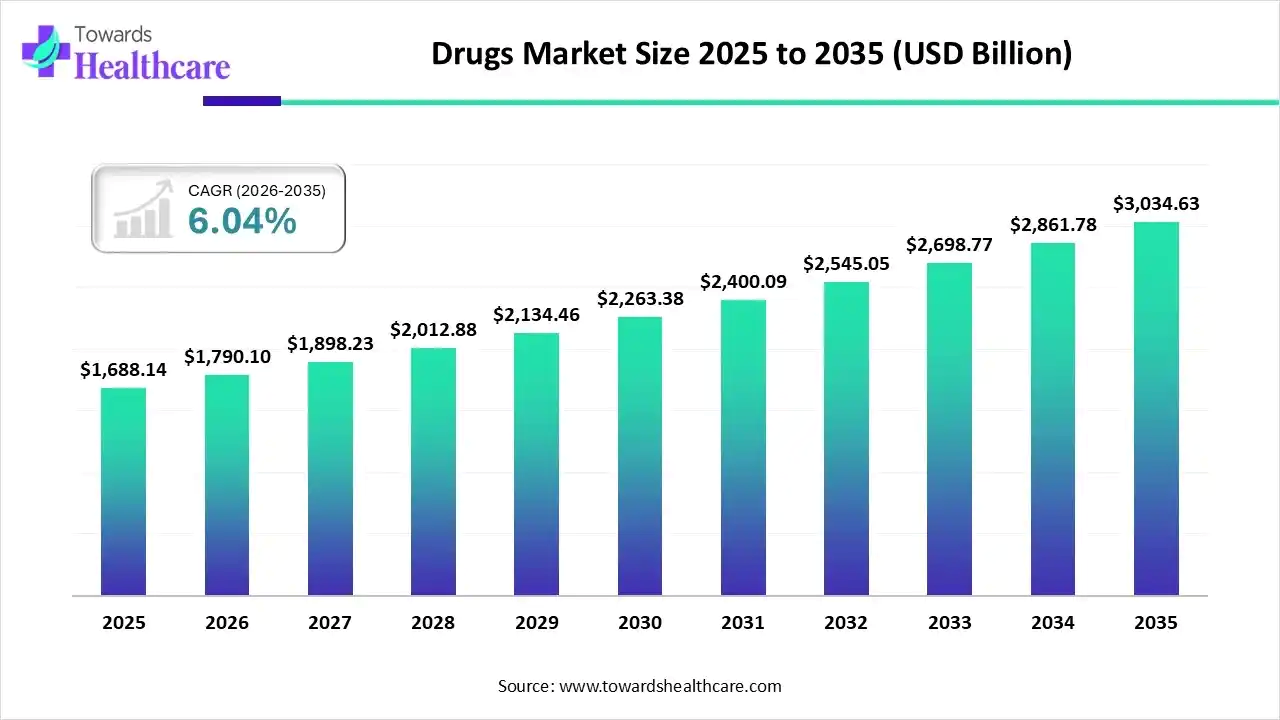
Towards Healthcare Research and Consulting’s research also shows the broader drugs industry moving from $1.69 trillion in 2025 to about $3.03 trillion by 2035, representing a 6.04% CAGR from 2026 to 2035. Obesity therapies are becoming an important part of this innovation-driven growth.
What comes after Ozempic and Mounjaro?
The leading obesity medicines today include Wegovy (semaglutide) from Novo Nordisk and Zepbound (tirzepatide) from Eli Lilly. Ozempic contains semaglutide but remains approved for type 2 diabetes rather than chronic weight management.
The competition is now moving toward oral treatments, higher doses, combination therapies and drugs that may deliver benefits beyond weight loss. Novo Nordisk, for example, is advancing CagriSema and zenagamtide, while continuing to expand its semaglutide portfolio.
Novo Nordisk reported DKK 82.3 billion in 2025 obesity-care sales, up 31% at constant exchange rates. The company also reported that its branded obesity portfolio reached 52 countries by the end of 2025.
FDA approvals are expanding the opportunity
The FDA has already moved obesity drugs into broader disease management. In 2024, it approved Wegovy to reduce the risk of cardiovascular death, heart attack and stroke in adults with cardiovascular disease and overweight or obesity.
The agency also approved Zepbound for moderate-to-severe obstructive sleep apnea in adults with obesity, making it the first medication specifically approved for this condition. This signals an important shift: future obesity medicines may compete not only on kilograms lost, but also on cardiovascular, metabolic, liver and sleep-related outcomes.
Companies shaping Obesity Drugs 2.0
The competitive field increasingly includes Novo Nordisk and Eli Lilly, alongside pharmaceutical companies developing next-generation incretin and non-incretin approaches.
Pfizer, Amgen, Roche, AstraZeneca and several biotechnology companies are also pursuing obesity assets, creating a broader pipeline that could eventually offer different mechanisms, dosing schedules and patient-specific options.
Challenges and opportunities
Challenges
- High treatment costs and reimbursement barriers
- Side effects and treatment discontinuation
- Long-term adherence and weight regain concerns
- Manufacturing capacity and supply reliability
- Increasing competition between similar GLP-1 therapies
Opportunities
- Once-daily or once-weekly oral obesity medicines
- Combination therapies targeting multiple metabolic pathways
- Treatments addressing cardiovascular and liver complications
- More personalized obesity treatment strategies
- Expansion into underserved global patient populations
What investors should watch
The next winners may not simply be the drugs that produce the largest percentage of weight loss. Companies that can combine strong efficacy, convenient dosing, safety, cardiovascular benefits, manufacturing scale and affordable access could have a stronger long-term position.
For investors and healthcare leaders, Obesity Drugs 2.0 therefore represents a shift from a two-drug race into a much broader competition around how obesity is treated as a chronic disease.