














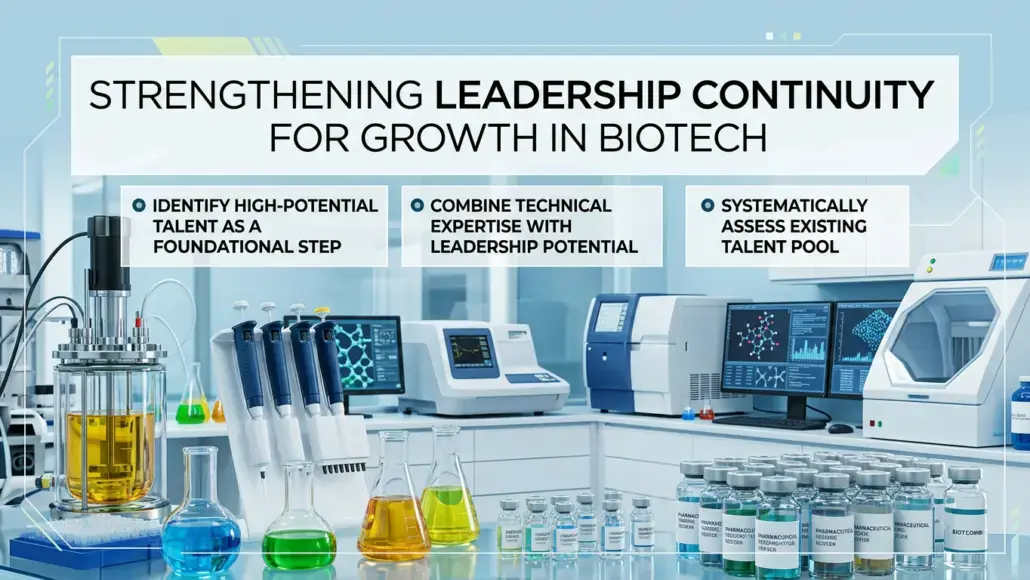
The identification of high-potential talent is the foundational step in building a sustainable leadership pipeline within the pharmaceutical industry. In an environment where specialized scientific knowledge is the primary driver of value, identifying individuals who possess both technical expertise and leadership potential is a complex but essential task. Successful biotech succession planning begins with a systematic assessment of the existing talent pool to identify those with the capacity to assume greater responsibilities. This process must go beyond simple performance reviews to evaluate the underlying traits and motivations that define effective leaders in a high-growth environment.
This assessment process should involve a multi-dimensional evaluation, considering scientific achievements, emotional intelligence, and strategic thinking capabilities. Standardized performance metrics can provide an objective baseline, but qualitative insights from senior mentors and peers are equally important. By creating a clear definition of what leadership looks like in a biotech context, organizations can ensure that they are developing the right individuals for future roles. This definition should include the ability to lead cross-functional teams, manage complex regulatory relationships, and maintain a focus on patient outcomes. The identification process should be ongoing, with regular reviews to track the progress of high-potential individuals and identify new talent as the organization grows.
Identifying talent early in the career cycle also allows for more targeted development and mentorship. This proactive approach minimizes the risk of leadership gaps and ensures that the organization has a deep bench of capable individuals ready to step into critical roles as the company expands. Investing in the identification of high-potential talent is a strategic priority that pays dividends in terms of organizational resilience and long-term stability. It also sends a powerful signal to employees that the organization values talent development and provides clear pathways for career advancement. This, in turn, can improve employee engagement and retention, which are critical for maintaining a stable and productive workforce in a competitive market.
Structured Mentorship and Knowledge Transfer in R&D Environments
Maintaining scientific continuity during leadership transitions requires a structured approach to mentorship and knowledge transfer. In the R&D environment, much of the most valuable information is tacit, residing in the experience and intuition of senior scientists and executives. Biotech succession planning must include formal mechanisms for capturing and sharing this knowledge with the next generation of leaders. This is not just about passing on technical information, but about transferring the scientific judgment and strategic foresight that are essential for successful drug development.
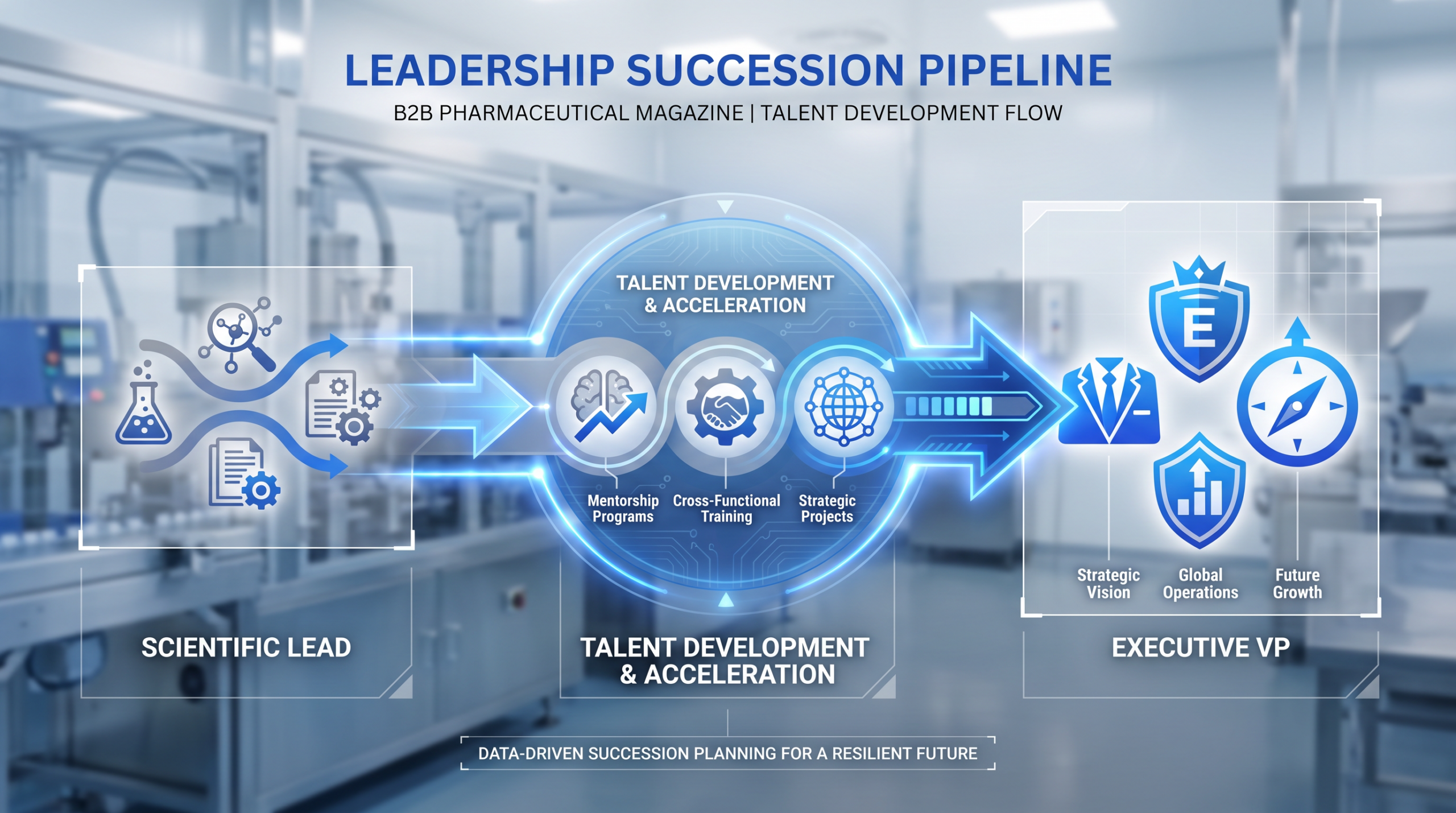
Mentorship programs provide a platform for senior leaders to pass on their expertise and institutional history to high-potential successors. These relationships foster a culture of learning and ensure that the core values and scientific philosophies of the organization are preserved. Beyond individual mentorship, organizations can implement knowledge management systems and collaborative projects that facilitate the broader exchange of ideas and best practices. These systems should be designed to encourage the sharing of both successes and failures, as the lessons learned from clinical trial setbacks are often the most valuable for future development programs.
Structured knowledge transfer is particularly critical during the handover of major development programs or clinical trials. A clear transition plan ensures that the incoming leader has a comprehensive understanding of the project’s history, its current status, and the strategic rationale behind key decisions. By institutionalizing these processes, biotech firms can minimize the disruptions that often accompany leadership changes and maintain the momentum of their R&D efforts. The goal is to create a seamless transition where the new leader can build on the foundations laid by their predecessor without having to relearn old lessons. This continuity is essential for maintaining the trust of regulatory bodies and investors, who value stability and consistency in clinical development.
External Recruitment vs Internal Cultivation Strategies
One of the primary strategic decisions in biotech succession planning is the balance between internal cultivation and external recruitment. Internal development offers the advantage of cultural consistency and the preservation of institutional knowledge. Leaders who have risen through the ranks have a deep understanding of the organization’s processes and values, which can facilitate a smoother transition. This internal knowledge is particularly valuable in the pharmaceutical industry, where the development lifecycle can span decades and the institutional memory is a key asset.
Key considerations for internal cultivation include:
- The availability of high-potential talent within the existing organization and the depth of the talent pipeline.
- The cost and time required to develop internal candidates for senior roles compared to the cost of external recruitment.
- The potential for internal promotions to boost morale and retention across the entire company.
- The risk of organizational insularity if the leadership team is composed entirely of internal hires without external perspectives.
- The alignment of internal development programs with the long-term strategic goals and values of the firm.
- The ability to provide meaningful developmental opportunities, such as rotations through different functional areas.
- The effectiveness of current performance management and leadership development systems.
External recruitment, on the other hand, can bring fresh perspectives and specialized expertise that may be lacking within the organization. This is particularly valuable during periods of rapid growth or when the company is entering new therapeutic areas where it has limited experience. However, external hires face a steeper learning curve and may struggle to adapt to the existing corporate culture. A balanced approach that prioritizes internal development while remaining open to strategic external hires provides the greatest flexibility and ensures that the leadership team remains diverse and capable. The most successful biotech firms are those that can effectively integrate external talent into their existing culture, creating a leadership team that combines deep institutional knowledge with fresh innovative thinking.
Contingency Planning for Sudden Executive Departures
Despite the best-laid plans, organizations must be prepared for the sudden and unexpected departure of key executives. Contingency planning is a vital component of biotech succession planning, providing a roadmap for managing leadership crises and maintaining operational stability. This involves identifying “emergency successors” for every critical role and developing clear protocols for the immediate transition of authority. These emergency successors should be individuals who have the necessary skills and experience to keep the organization running in the short term, while a permanent successor is identified.
Effective contingency plans define the specific steps to be taken in the event of an executive vacancy, including communication strategies for internal and external stakeholders. Clarity in these moments is essential for maintaining the confidence of investors, partners, and employees. The board of directors plays a critical role in overseeing contingency planning, ensuring that the organization has the necessary resources and leadership capacity to handle periods of uncertainty. This oversight includes regular reviews of the contingency plans and the identification of any gaps in the leadership pipeline. The goal is to ensure that the organization can continue to function effectively, even in the absence of its top leaders.
Regularly reviewing and updating contingency plans ensures that they remain relevant and effective as the organization grows and evolves. By preparing for the unexpected, biotech firms can minimize the impact of leadership disruptions and ensure that their strategic initiatives remain on track. This proactive management of leadership risk is a hallmark of a resilient and well-governed organization. Achieving high levels of biotech business execution depends on this underlying stability. The ability to manage a crisis with transparency and decisiveness can even enhance the organization’s reputation, demonstrating the strength of its governance and the depth of its leadership talent.
Institutionalizing Culture and Vision for Future Growth
The ultimate goal of succession planning is to ensure that the organization’s culture and vision are preserved across generations of leadership. In the biotech sector, where the mission to improve patient lives is a powerful motivator, maintaining this sense of purpose is essential for attracting and retaining top talent. Successors must not only possess the necessary technical and strategic skills but also a deep commitment to the core values of the firm. This commitment is what ensures that the organization remains focused on its long-term goals, even as it handles the challenges of rapid scaling.
Institutionalizing culture involves more than just documenting values; it requires a deliberate effort to weave them into every aspect of the organization’s operations. Leadership development programs should emphasize the importance of the corporate mission and provide opportunities for successors to demonstrate their alignment with these values. This can be achieved through mentorship, participation in strategic projects, and regular communication from the senior leadership. By selecting and developing leaders who embody the desired culture, organizations can ensure that their unique identity remains a source of competitive advantage. A strong culture also provides the social glue that holds the organization together during periods of stress and change.
A clear and compelling vision provides the North Star for future growth, guiding the decisions of successive leadership teams. Biotech succession planning ensures that this vision is communicated effectively and that new leaders are empowered to carry it forward. By building a leadership pipeline that is deeply rooted in the organization’s purpose, pharmaceutical companies can secure their long-term success and continue to deliver innovative solutions to the world’s most pressing health challenges. The process of succession is not just a change in personnel, but a continuous renewal of the organization’s commitment to its mission. Leaders who understand this will be the ones who leave a lasting legacy and ensure the enduring impact of their work on human health.