













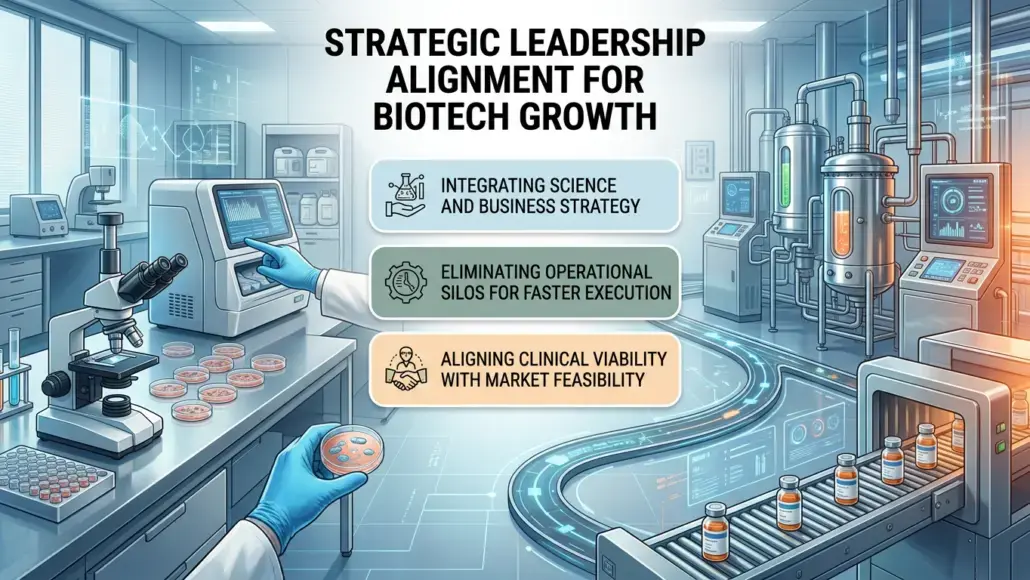
Establishing a synchronized leadership structure serves as the cornerstone of operational success within the modern pharmaceutical sector. As companies move away from traditional silos, the integration of scientific expertise with commercial acumen becomes a mandatory requirement for managing the complex journey from laboratory discovery to patient access. This synthesis of perspectives ensures that every strategic decision remains grounded in both clinical viability and market feasibility. The pharmaceutical environment is characterized by high stakes and long timelines, where a single misstep in clinical design can negate years of laboratory progress. Therefore, the alignment of executive vision across the therapeutic lifecycle is not merely an operational preference but a fundamental requirement for survival.
When executive leaders from research and development (R&D), regulatory affairs, and commercial operations operate in isolation, the risk of strategic drift increases significantly. This drift often manifests as delayed timelines or misallocated resources, which can be catastrophic for emerging biotech firms with limited capital. By fostering a culture of mutual accountability, organizations can achieve a higher level of biotech business execution, ensuring that the trajectory of a candidate molecule remains aligned with the long-term objectives of the enterprise. This accountability involves regular structured interactions where leaders challenge assumptions and validate progress against shared benchmarks. Such a framework allows the organization to detect potential issues early in the development cycle, long before they become expensive failures in phase three trials.
The complexity of contemporary drug development requires a high degree of technical precision and strategic foresight. Decisions made in the early stages of a clinical trial have profound implications for the eventual commercial launch. Without a unified executive front, these implications might be overlooked, leading to missed opportunities or regulatory hurdles. Leadership alignment bridges these gaps, providing a cohesive framework that supports rapid adaptation to changing market conditions and scientific breakthroughs. Additionally, this unified approach facilitates a more transparent relationship with external stakeholders, including investors and regulatory bodies, who seek clarity and consistency in the management of the development pipeline. The ability to present a consistent narrative regarding the value and safety of a drug candidate is directly linked to the strength of the internal alignment.
Breaking Silos Between Research and Commercial Operations
Bridging the gap between the laboratory and the marketplace represents one of the most significant challenges for pharmaceutical executives. In many organizations, the scientific teams focus exclusively on efficacy and safety, while the commercial teams prioritize market share and pricing. While these objectives are not inherently contradictory, a lack of alignment can lead to friction and inefficiency. Breaking these silos requires a deliberate effort to integrate commercial insights into the early stages of the R&D process. This integration does not mean that commercial interests dictate scientific inquiry, but rather that the scientific inquiry is informed by the realities of the competitive environment.
Effective communication between these functions allows scientific teams to understand the competitive environment and the specific needs of healthcare providers and patients. Conversely, commercial teams gain a deeper appreciation for the technical constraints and regulatory requirements that shape the development timeline. This exchange of knowledge fosters a shared understanding of the value proposition, which is essential for successful biotech business execution. When scientists understand the payer requirements for reimbursement, they can design trials that generate the specific data needed to support those claims. Similarly, when marketers understand the biochemical limitations of a molecule, they can set realistic expectations for its market potential.
Structural changes, such as the creation of cross-functional steering committees, can facilitate this integration. These committees provide a forum for regular dialogue and joint decision-making, ensuring that all stakeholders have a voice in the development process. By involving commercial leaders in clinical trial design and regulatory strategy, organizations can proactively address potential market access barriers, streamlining the path to commercialization and maximizing the impact of their therapeutic innovations. These committees should be empowered to make binding decisions, moving away from the advisory models that often slow down progress. The focus should be on creating a dynamic environment where the flow of information is continuous and the feedback loops are tight, allowing for real-time adjustments to the development strategy.
Financial Integration and Resource Allocation Strategies
Strategic resource allocation is a critical component of executive alignment, particularly in capital-intensive industries like biotechnology. Financial leaders must work closely with scientific and operational heads to ensure that funding is directed toward the most promising assets in the portfolio. This collaboration requires a transparent evaluation process that balances scientific potential with commercial risk. The goal is to maximize the return on investment while minimizing the exposure to clinical failure. In a world where drug development costs frequently exceed billions of dollars, the precision of resource allocation is a primary driver of long-term viability.
Financial integration also involves the development of shared metrics and reporting systems that provide a holistic view of the organization’s performance. By aligning on key performance indicators (KPIs), executives can make informed decisions about whether to continue investing in a specific program or pivot to alternative opportunities. This data-driven approach minimizes the influence of departmental bias and ensures that resources are utilized in a way that maximizes overall enterprise value. Financial oversight should not be viewed as a restrictive measure but as an enabling function that provides the stability needed for ambitious scientific exploration. When the finance team understands the nuances of the clinical development phases, they can structure funding in a way that accommodates the inherent uncertainty of research.
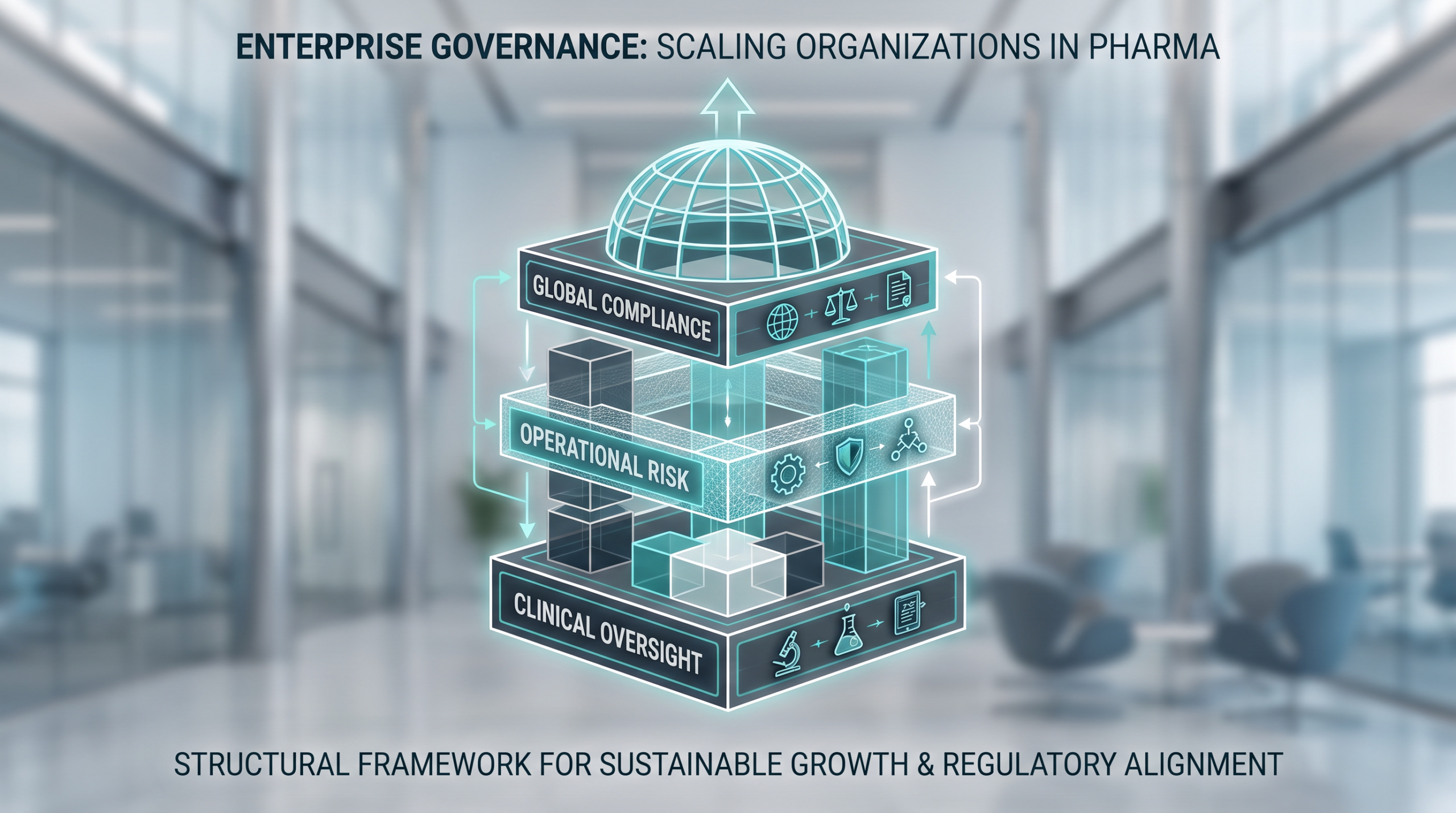
Effective biotech business execution depends on the ability to reallocate resources quickly in response to clinical trial data or competitive developments. This agility is only possible when the executive team is fully aligned on the strategic priorities and the criteria for success. Regular financial reviews and scenario planning sessions help maintain this alignment, providing a roadmap for growth and stability in an uncertain environment. Standardizing enterprise governance models provides the structural foundation required to maintain consistency as the company grows. This standardization ensures that the same rigorous financial scrutiny is applied to all programs, regardless of the department of origin. It also facilitates a more cohesive approach to risk management, as the financial implications of technical decisions are clearly articulated and understood by all parties.
Metrics for Measuring Collaborative Performance in Biotech
Quantifying the effectiveness of cross-functional alignment is essential for continuous improvement. While traditional metrics like revenue and R&D spending provide a high-level view, they often fail to capture the nuances of collaborative performance. Organizations must develop specific KPIs that reflect the quality of interactions between departments and the impact of alignment on operational outcomes. These metrics should be designed to encourage cooperation rather than competition between teams. For instance, shared bonuses based on the achievement of cross-functional milestones can be a powerful tool for aligning incentives.
Key metrics for measuring cross-functional success include:
- Timeline adherence for cross-departmental projects, such as regulatory filings or launch preparations.
- The frequency and quality of joint steering committee meetings and the percentage of consensus-based decisions.
- The level of cross-functional training and development participation across the organization.
- Feedback from internal surveys regarding the clarity of shared goals and the perceived effectiveness of communication.
- The speed of decision-making on critical issues that require input from multiple functional areas.
- The percentage of clinical trial protocols that incorporate payer-relevant endpoints identified by commercial teams.
- The reduction in redundant work through shared data repositories and collaborative digital workspaces.
By tracking these metrics, pharmaceutical leaders can identify areas where alignment is lacking and implement targeted interventions. This proactive management ensures that the organization remains focused on its core mission and that the executive team continues to function as a cohesive unit. High-performance cultures are built on the foundation of shared data and mutual understanding, which are critical drivers of sustained biotech business execution. The regular reporting of these collaborative metrics to the board of directors can also improve transparency and provide assurance that the organization is managed in a way that prioritizes long-term value creation. Over time, these metrics will reveal patterns and trends that can inform future organizational design and leadership development programs.
Future Implications for Long-term Portfolio Stability
The long-term stability of a pharmaceutical portfolio depends on the ability of the organization to consistently deliver innovative therapies to the market. This consistency is a direct result of effective executive alignment and a disciplined approach to business execution. As the industry faces increasing pressure from payers, regulators, and competitors, the importance of a unified leadership strategy will only continue to grow. Companies that fail to align their internal functions will find it increasingly difficult to compete in a market that demands both scientific excellence and commercial efficiency. The ability to manage the delicate balance between innovation and optimization is what separates market leaders from also-rans.
Looking ahead, the integration of digital technologies and advanced analytics will provide new opportunities for enhancing cross-functional collaboration. Data sharing platforms and collaborative workspaces can streamline communication and provide real-time visibility into the status of development programs. However, these tools are only effective if they are supported by a leadership culture that values transparency and teamwork. The technology itself is not a solution, but a facilitator of the human interactions that drive success. Leaders must remain committed to the principles of alignment, even as the tools they use to achieve it continue to evolve. This commitment requires ongoing investment in leadership development and a willingness to adapt organizational structures to meet the demands of a changing environment.
The ultimate goal of executive alignment is to create a resilient organization that can withstand the inherent volatility of the pharmaceutical market. By synchronizing the efforts of every department, biotech firms can build a sustainable pipeline of valuable medicines and deliver long-term value to stakeholders. Maintaining a clear focus on biotech business execution will remain the primary differentiator between organizations that thrive and those that struggle in an increasingly complex global environment. This focus ensures that scientific breakthroughs are translated into tangible patient benefits in the most efficient and effective manner possible. In the end, the success of the pharmaceutical enterprise is measured by its impact on human health, and alignment is the engine that drives that impact.