













Close
CDMO Safety Testing 2026
Novotech

Role of Technology in Enhancing Patient Engagement in Trials

Note* - All images used are for editorial and illustrative purposes only and may not originate from the original news provider or associated company.

Subscribe

- Never miss a story with notifications

- Gain full access to our premium content

- Browse free from any location or device.

Media Packs

Expand Your Reach With Our Customized Solutions Empowering Your Campaigns To Maximize Your Reach & Drive Real Results!

โ€“ Access the Media Pack Now

โ€“ Book a Conference Call

โ€“ Leave Message for Us to Get Back

Related stories

MSD and Adcendo Initiate Phase Ib Collaboration for Solid Tumours

MSD and Adcendo have established a collaboration and supply...

Advanced Color Measurement Strengthening Pharma QC

Achieving absolute precision in pharmaceutical manufacturing necessitates a comprehensive and rigorous oversight of physical attributes, with color serving as a primary indicator of chemical stability and composition. By integrating sophisticated instrumentation into the laboratory environment, manufacturers can transition from subjective visual assessments to standardized, data-driven methodologies that satisfy the most stringent global regulatory requirements. This strategic focus on color measurement pharma QC facilitates the early identification of raw material impurities and ensures uncompromising batch-to-batch consistency in final dosage forms, thereby bolstering patient safety and brand reputation.

GMP Compliance in Analytical Testing and Color Control

Adhering to Good Manufacturing Practices is a non-negotiable requirement for pharmaceutical organizations dedicated to maintaining global safety and quality standards. The intersection of GMP compliance color control and analytical testing ensures that every step of the production process is meticulously documented, validated, and repeatable. By focusing on the rigorous monitoring of physical attributes and chemical purity, manufacturers can mitigate the risks of contamination and stability failures, delivering high-quality healthcare products that patients and healthcare providers can trust implicitly. This disciplined approach ensures that all quality decisions are based on objective, verifiable data.
- Advertisement -

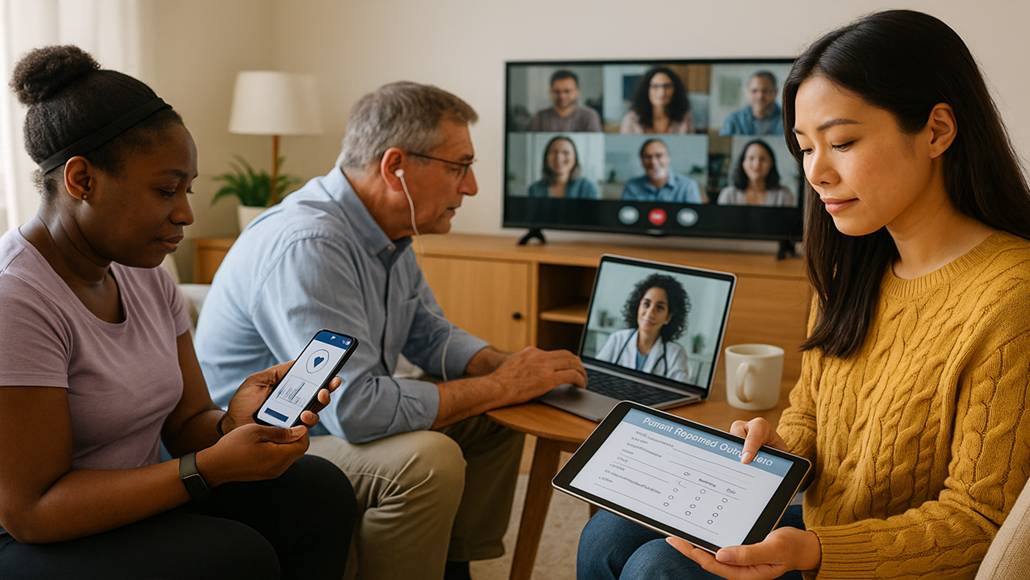
In the past few years, there has been a positive movement toward using technology to change how patients are engaged and how they stay with a practice. A lot of different kinds of technology are changing the way clinical studies are done. These include mobile apps, electronic clinical outcome assessments (eCOA) and patient-reported outcome measures (ePRO), and the broad field of telemedicine. Let’s take a look at some of the most important ideas that are making a difference.

The right effect when it comes to mobile apps

Most of this change can be traced back to mobile apps, which allow researchers and users to talk to each other directly. These platforms can remember patients to take their medications and show up for their meetings, and they can also provide teaching materials about the study, all of which are easy for patients to access. It looks like the comfort part can’t be stressed enough. As an interesting side note, a Pew Research Center poll found that 85% of Americans own a smartphone. This shows how far mobile-based solutions could reach.

Making it easier to collect data in studies

The data collection process was made even easier with the help of Electronic Clinical Outcome Assessments (eCOA) and Patient-Reported Outcome Measures (ePRO). This made it possible to track symptoms in real time and get comments from users. Not only does this improve the quality and speed of the data, but it also keeps the patient interested by showing that their feedback and experiences during the study are valued. Researchers in the Journal of Medical Internet Research did a thorough study that showed ePRO systems can improve both patient involvement and data quality. This makes them very useful for clinical research.

Getting patients more involved

The way that patients are involved in care has been changed by new technology. Participants can feel like they belong and get support through gamification, personalized contact, and virtual groups. This can be very important for keeping them for the whole study. Patients are more likely to stay in line and be loyal if they feel like they are a part of the process and are respected.

The growth of telehealth

Telehealth has become a game-changer, especially since the global pandemic. Virtual visits, meetings, and follow-ups not only keep studies going even when things go wrong, but they also make it easier for people to participate because they don’t have to drive as far. This ease is especially helpful for people who live in remote places or have trouble moving around. The American Hospital Association (AHA) did a study that showed 76% of US hospitals are connecting with patients and visiting doctors through video and other technologies. This shows how widely telehealth services are used.

Using tech in experiments for health

When technology is used in all areas of clinical trials, it does make it easier for patients to stay in the study by making it more fun and giving each individual more personalized care.

Utilizing the strengths of mobile apps, eCOA and ePRO, patient interaction strategies, and telehealth, researchers not only speed up the trial process but also create an environment where everyone feels welcome and supported.

The future of clinical trials needs to find a balance between human touch and technological progress. This will make sure that every participant’s trip is as easy and well-informed as it can be.


World Pharma Today brings together the global pharmaceutical industry โ€” from R&D leaders and regulatory affairs professionals to manufacturers and distribution executives โ€” through trusted editorial, market intelligence, and digital engagement.

Our 2026 Media Pack offers integrated solutions to reach your audience:

  • Magazine & Digital Editions Showcase your brand within premium pharmaceutical industry coverage read by executives and decision - makers worldwide.
  • Industry Insights & Reports Align with data - driven analysis, trend reports, and regional roundups across the global pharmaceutical and life sciences value chain.
  • Brand Authority & Credibility Position your company as a thought leader through expert commentary, interviews, and special features.

Latest stories

Related stories

MSD and Adcendo Initiate Phase Ib Collaboration for Solid Tumours

MSD and Adcendo have established a collaboration and supply...

Advanced Color Measurement Strengthening Pharma QC

Achieving absolute precision in pharmaceutical manufacturing necessitates a comprehensive and rigorous oversight of physical attributes, with color serving as a primary indicator of chemical stability and composition. By integrating sophisticated instrumentation into the laboratory environment, manufacturers can transition from subjective visual assessments to standardized, data-driven methodologies that satisfy the most stringent global regulatory requirements. This strategic focus on color measurement pharma QC facilitates the early identification of raw material impurities and ensures uncompromising batch-to-batch consistency in final dosage forms, thereby bolstering patient safety and brand reputation.

GMP Compliance in Analytical Testing and Color Control

Adhering to Good Manufacturing Practices is a non-negotiable requirement for pharmaceutical organizations dedicated to maintaining global safety and quality standards. The intersection of GMP compliance color control and analytical testing ensures that every step of the production process is meticulously documented, validated, and repeatable. By focusing on the rigorous monitoring of physical attributes and chemical purity, manufacturers can mitigate the risks of contamination and stability failures, delivering high-quality healthcare products that patients and healthcare providers can trust implicitly. This disciplined approach ensures that all quality decisions are based on objective, verifiable data.

Choosing Analytical Instruments for Pharma QC Labs

Selecting the right laboratory equipment is a critical decision that directly impacts the efficiency, accuracy, and compliance of pharmaceutical operations. Evaluating analytical instruments pharma QC requirements involves a deep dive into technical specifications, vendor reliability, and the potential for long-term scalability. By choosing tools that integrate seamlessly with existing digital workflows and international regulatory standards, laboratory managers can ensure that their facility is equipped to handle the rigorous demands of modern drug testing and quality assurance. This strategic approach minimizes operational risk and ensures the delivery of safe and effective medications to patients globally.

Subscribe

- Never miss a story with notifications

- Gain full access to our premium content

- Browse free from any location or device.

Media Packs

Expand Your Reach With Our Customized Solutions Empowering Your Campaigns To Maximize Your Reach & Drive Real Results!

โ€“ Access theMedia Pack Now

โ€“ Book a Conference Call

โ€“ Leave Message for Us to Get Back

Translate ยป