











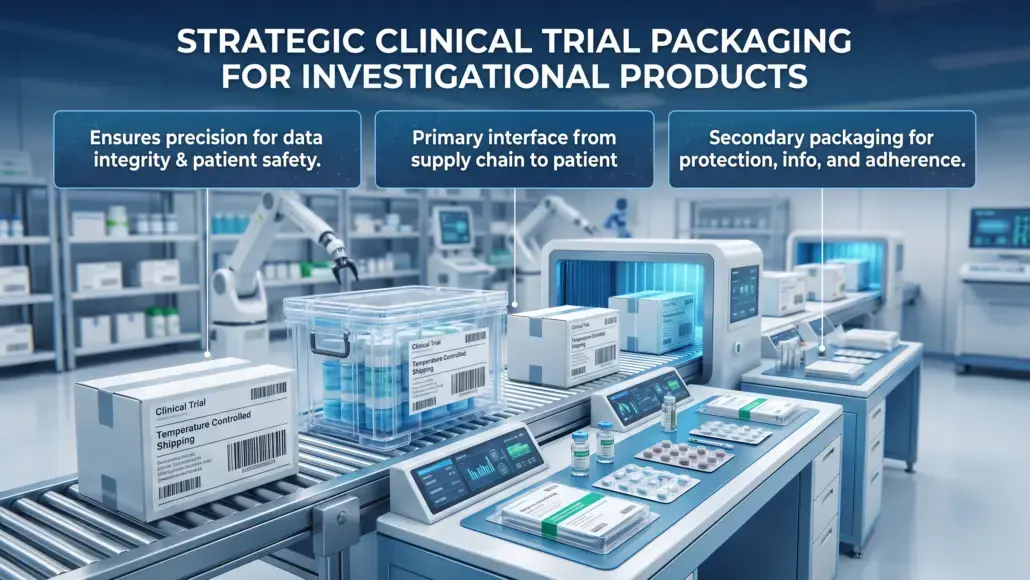
The management of investigational products in the pharmaceutical sector requires a high level of precision to ensure the integrity of clinical data and the safety of trial participants. This specialized packaging serves a critical role that goes far beyond the simple containment of medication. It is the primary interface between the clinical supply chain and the patient, providing necessary protection, information, and adherence support. Secondary packaging, in particular, must be designed to accommodate complex trial designs, including blinding and randomization, which are essential for maintaining the scientific validity of the study. The ability to efficiently manage these specialized requirements is a key factor in the overall success of the drug development process.
Designing effective secondary packaging involves a careful balance of regulatory compliance, logistical efficiency, and patient needs. Labels must contain specific information required by global health authorities, often in multiple languages, while maintaining the blinding of the treatment arms. This requires sophisticated labeling strategies and rigorous quality control to prevent errors that could compromise the entire trial. The use of booklet labels and specialized adhesive materials has become standard practice for managing large amounts of information in a compact format. Additionally, the physical design of the package must protect the investigational product from environmental stresses such as light, moisture, and temperature fluctuations during transport and storage.
Strategic planning for clinical trial packaging begins early in the study design phase. By considering the needs of the clinical sites and the patients from the outset, sponsors can avoid costly delays and supply shortages. The integration of advanced supply chain management systems allows for real-time tracking of inventory and the automated replenishment of supplies based on actual enrollment rates. This proactive approach ensures that the right product is available at the right time, reducing waste and improving the efficiency of the trial. As trials become more global and complex, the importance of a well-defined packaging strategy will only continue to grow.
Patient Centricity and Adherence Support
A growing trend in the industry is the focus on patient-centric designs in clinical trial packaging to improve treatment adherence and the overall patient experience. Many clinical trials fail or provide inconclusive results because participants do not follow the prescribed dosing schedule. Packaging that is easy to open, clearly labeled, and provides intuitive instructions can significantly reduce the burden on the patient. For example, blister packs with calendarized labels can help patients track their daily doses, while integrated digital sensors can record the exact time a pill is removed from the package. These features provide valuable data for researchers and support the patient in following the protocol.
Patient-centric packaging also considers the unique needs of different patient populations. Pediatric and geriatric patients, for instance, may require specialized designs such as child-resistant yet senior-friendly closures. The physical size and weight of the package are also important, particularly for trials that require patients to transport their medication over long distances. By engaging with patient advocacy groups and conducting usability studies during the design process, pharmaceutical companies can create packaging that truly meets the needs of the end user. This focus on the human element not only improves adherence but also fosters a more positive relationship between the patient and the trial sponsor.
In addition to physical design, the use of digital technologies in this sector is increasing. Smart solutions can include QR codes that link to instructional videos or mobile apps that provide reminders to take the medication. These digital tools can also facilitate communication between the patient and the clinical site, allowing for the rapid reporting of side effects or other issues. The integration of these technologies into the design is a key component of the shift toward decentralized trials, where patients may receive and administer their medication at home. By providing a comprehensive support system through the packaging, sponsors can improve the quality of their data and the safety of their participants.
Cold Chain Logistics and Stability Management
Many modern investigational products, particularly biologics and advanced therapies, are highly sensitive to temperature and require a strict cold chain for storage and distribution. Investigational product containers must be engineered to maintain the required temperature range throughout the entire supply chain, from the manufacturing site to the patient. This involves the use of specialized insulation materials, phase-change materials, and integrated temperature monitoring devices. Any excursion outside the defined temperature range can compromise the stability and efficacy of the product, leading to significant financial losses and potential risks to patient safety.
The management of the cold chain is particularly challenging in global trials where products must travel across different climates and through complex customs procedures. Advanced data loggers that provide real-time location and temperature tracking allow for immediate intervention if a problem is detected. These devices can also provide a detailed record of the environmental conditions throughout the journey, which is essential for regulatory compliance and for demonstrating that the product has remained within its specifications. The choice of packaging materials and the design of the shipping container are critical factors in the success of these temperature-sensitive shipments.
Beyond temperature control, the packaging must also protect the product from other physical stresses. Specialized cushioning and shock-absorbing materials are used to prevent breakage during transit. For liquid formulations, the integrity of the primary container, such as a vial or pre-filled syringe, must be maintained under varying pressure conditions encountered during air transport. The integration of stability data into the packaging and distribution strategy allows for a more informed approach to risk management. By understanding how the product reacts to different environmental conditions, sponsors can design packaging solutions that provide the necessary level of protection while minimizing costs and environmental impact.
Regulatory Compliance and Global Labeling
Navigating the complex regulatory requirements for clinical trial packaging is a major challenge for pharmaceutical companies operating on a global scale. Each country has its own specific requirements for labeling and packaging, which can vary significantly in terms of the information required, the language, and the format. Ensuring compliance with these diverse regulations requires a deep understanding of the local laws and a rigorous approach to quality management. Any error in the labeling or packaging can lead to delays in trial initiation, the seizure of supplies by customs authorities, or even the termination of the trial.
Global labeling strategies often involve the use of master labels that contain core information translated into multiple languages. These booklet labels allow for a single packaging design to be used across several countries, simplifying the supply chain and reducing the risk of errors. However, this approach requires careful management to ensure that all local requirements are met and that the information remains legible. The use of electronic labels and digital signatures is also gaining traction as a way to improve the efficiency and accuracy of the labeling process. These digital systems allow for real-time updates to the labeling information, which is particularly useful for trials with evolving protocols.
Quality control and validation are central to the regulatory compliance of clinical trial packaging. The manufacturing and assembly of the packaging must be conducted in accordance with current good manufacturing practices. This involves the validation of all equipment and processes, the training of personnel, and the implementation of a comprehensive quality management system. Regular audits by internal teams and external agencies verify that these standards are being maintained. By prioritizing regulatory compliance from the earliest stages of the packaging design, pharmaceutical companies can ensure that their clinical trials proceed smoothly and that their investigational products are delivered to patients safely and efficiently.
Decentralized Trials and Future Innovations
The shift toward decentralized and hybrid clinical trials is driving significant innovation in clinical trial packaging. In these models, some or all trial activities take place at the patient’s home rather than at a traditional clinical site. This requires packaging that is designed for direct-to-patient shipment, ensuring that the medication remains stable and secure throughout the journey. The packaging must also be easy for the patient to use without the direct supervision of clinical staff. This includes providing clear instructions for storage, preparation, and administration, as well as easy methods for returning unused medication or empty containers.
Future innovations in this field include the use of sustainable packaging materials and the further integration of the internet of things. The pharmaceutical industry is under increasing pressure to reduce its environmental impact, and packaging is a major area of focus. The development of biodegradable or recyclable materials that still provide the necessary level of protection is a key goal for many companies. At the same time, the use of connected sensors and blockchain technology can improve the transparency and security of the clinical supply chain. These technologies can provide a tamper-proof record of every step in the process, from manufacturing to the final administration of the drug.
The use of 3D printing for specialized packaging components is another emerging trend. This could allow for the rapid production of custom designs tailored to the specific needs of a trial or even an individual patient. As the industry continues to move toward more personalized medicine, the ability to rapidly and flexibly design and produce clinical trial packaging will be a significant advantage. By embracing these new technologies and maintaining a focus on patient needs and regulatory requirements, pharmaceutical organizations can continue to improve the management of their investigational products and the success of their clinical research programs globally.