












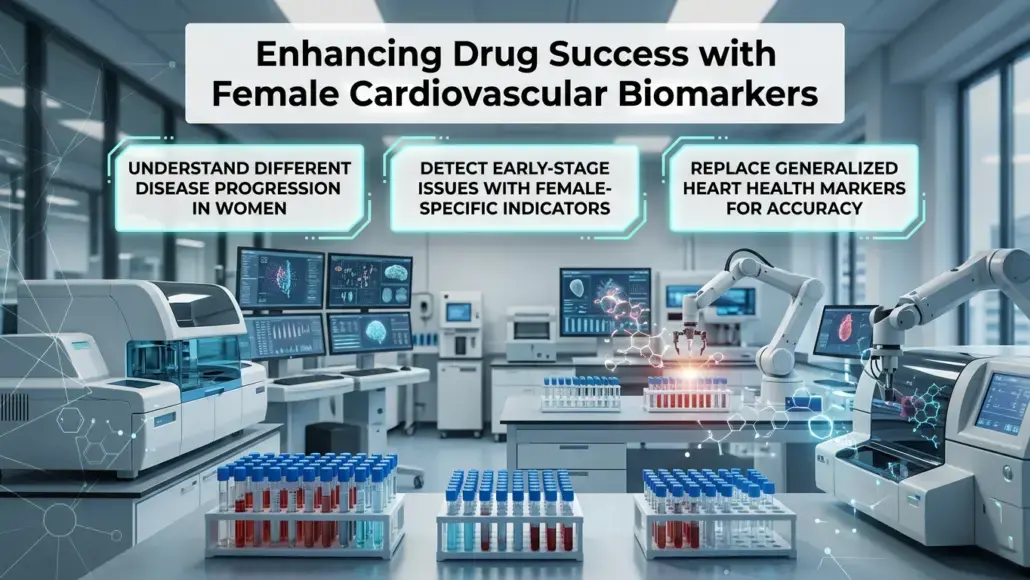
Cardiovascular disease remains a leading cause of mortality among women, yet the mechanisms of disease progression often differ significantly from those observed in men. For many years, the pharmaceutical industry relied on generalized markers of heart health, which occasionally led to a lack of sensitivity in detecting early-stage issues in female patients. The emergence of female cardiovascular biomarkers has changed this dynamic, providing researchers with specific biological indicators that reflect the unique risks and physiological responses of the female heart. These markers allow for the development of targeted drugs that are more effective at addressing the particular pathologies seen in women, such as microvascular dysfunction and spontaneous coronary artery dissection. By integrating these specific indicators into the development pipeline, companies can improve the safety and efficacy of their cardiac therapies.
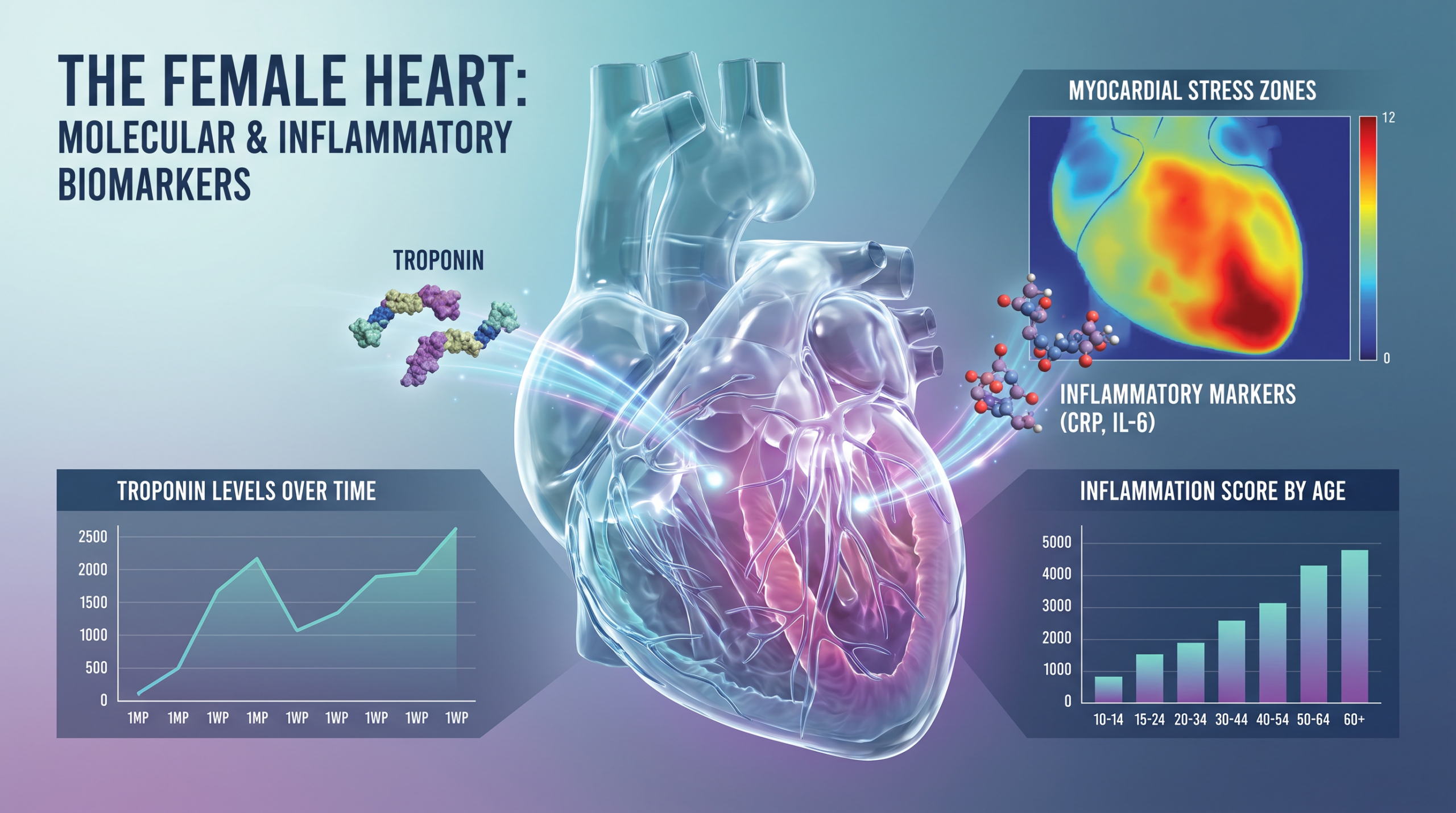
The identification of these specific indicators involves analyzing protein expression, genetic signatures, and metabolic products that are distinct to the female population. Researchers have found that certain inflammatory markers and hormones play a more prominent role in female cardiovascular health than previously understood. By focusing on specialized biological signatures, drug developers can identify high-risk individuals earlier and tailor interventions to their specific needs. This shift toward precision medicine is essential for reducing the global burden of heart disease in women. As our understanding of these biological signatures grows, the industry is better equipped to create medications that prevent adverse cardiac events while minimizing side effects. Identifying these patterns often involves a close examination of female immune biomarkers to understand how inflammation impacts cardiac vascular health.
The integration of these markers into clinical trial design enhances the quality of the evidence generated. Trials that use sex-specific metrics are more likely to detect subtle improvements in heart function that might be missed by broader assessments. This leads to more reliable data and a clearer path to regulatory approval. The commitment to using these specialized indicators reflects a broader trend toward health equity and the recognition that biological sex is a fundamental variable in human health. As pharmaceutical firms continue to innovate, the focus on these specialized indicators will remain a critical component of successful cardiovascular drug development.
Analytical Precision in Cardiac Therapeutic Development
Improving therapeutic outcomes for women requires a level of analytical precision that was previously unattainable with conventional research methods. Modern laboratory techniques allow for the detection of minute changes in physiological markers that signal the onset of cardiovascular issues. By leveraging these specific tools, scientists can monitor how a new drug interacts with the female heart at a molecular level. This granular data is vital for ensuring that new therapies do not inadvertently cause harm or fail to provide the expected benefit. The ability to track these specific changes in real time allows for more agile and responsive clinical trial management.
Recent studies have highlighted the importance of hormones like estrogen in regulating vascular tone and inflammatory responses. When these levels fluctuate during life stages such as pregnancy or menopause, the cardiovascular risk profile of a woman changes. Research into these specific indicators accounts for these variations, providing a more comprehensive view of heart health across the lifespan. This long-term perspective is essential for developing drugs that offer sustained protection against chronic conditions. The industry is now focusing on creating “biomarker panels” that combine multiple indicators to provide a more accurate assessment of a patient’s status. These panels typically track:
- High-sensitivity Troponin I levels to detect subclinical myocardial injury that presents differently in female subjects.
- B-type natriuretic peptide variations that correlate with specific stages of female-specific heart failure with preserved ejection fraction.
- C-reactive protein and other inflammatory markers that exhibit unique baseline levels and response patterns in women.
- Metabolic precursors associated with microvascular dysfunction, which is more prevalent in the female cardiac patient population.
Molecular Insights and Regulatory Strategic Alignment
Aligning drug development strategies with the latest molecular insights is essential for maintaining a competitive edge in the pharmaceutical market. Regulatory agencies are increasingly emphasizing the need for sex-specific data in submissions, and the use of specialized markers is a key part of meeting these expectations. By integrating these specialized markers early in the research process, companies can ensure that they have the necessary evidence to support their claims during the review phase. This alignment reduces the risk of delays and ensures that life-saving treatments reach patients as quickly as possible.
The use of advanced data analytics and artificial intelligence is further accelerating the discovery of new indicators. These technologies can sift through vast amounts of clinical data to identify patterns that were previously hidden. When applied to the study of the female heart, these tools help in defining more accurate metrics that can be used to predict disease progression and treatment response. The synergy between biological science and data technology is creating a more efficient and effective drug development ecosystem. This progress is particularly beneficial for complex conditions where multiple factors contribute to disease risk.
Collaboration between different sectors of the healthcare industry is also vital for the standardization of these indicators. By sharing data from diverse patient populations, researchers can ensure that the biomarkers they identify are applicable to women of all backgrounds. This inclusive approach strengthens the clinical evidence and ensures that no group is left behind in the quest for better heart health. The commitment to diversity in research is mirrored in the focus on sex-specific metrics, both of which are essential for achieving true health equity.
Future Horizons in Specialized Drug Discovery
The future of cardiovascular medicine will be defined by an even greater emphasis on the unique biological needs of different patient groups. As we move away from a one-size-fits-all model, the role of specialized indicators will continue to expand. The ongoing development of female cardiovascular biomarkers will allow for the creation of therapies that are not just marginally effective but truly optimized for women. This future relies on the continued integration of genomics and digital health tools to provide a holistic view of patient health. By monitoring these indicators throughout a woman’s life, we can move from reactive treatment to proactive prevention.
In addition to cardiovascular health, the lessons learned from this field are being applied to other areas of medicine. For instance, the study of how the immune system interacts with heart health is providing insights into new therapeutic targets. This cross-disciplinary approach is leading to the development of more sophisticated treatment protocols. The ability to integrate knowledge from different biological systems is a hallmark of modern pharmaceutical innovation. As our understanding of these connections deepens, the potential for breakthrough treatments grows exponentially.
Ultimately, the focus on sex-specific research is about delivering better care to every patient. When the industry prioritizes the unique needs of women, it creates a more responsive and effective healthcare system. The transition toward using specialized indicators like female cardiovascular biomarkers is a testament to the power of scientific inquiry and its ability to drive meaningful change. The commitment to excellence in research and development ensures that the pharmaceutical industry remains at the forefront of global health, providing the innovative solutions needed to tackle the challenges of the 21st century.
Strategic Frameworks for Long Term Health Outcomes
Developing a strategic framework for long-term cardiovascular health in women involves more than just identifying new markers. It requires a holistic approach that considers the social, environmental, and biological factors that influence heart health. The use of specialized indicators provides the biological foundation for this framework, allowing for more precise and effective interventions. By combining these indicators with lifestyle modifications and early screening, we can significantly reduce the incidence of heart disease in the female population. This comprehensive strategy is essential for improving public health outcomes and reducing healthcare costs.
Education and awareness are also critical components of this strategy. By informing healthcare providers and patients about the importance of sex-specific markers, we can ensure that these tools are used to their full potential. The industry has a role to play in advocating for better care and more inclusive research practices. This commitment to social responsibility, paired with scientific excellence, is creating a brighter future for women’s health globally. Every new discovery in this field brings us one step closer to a world where every woman has access to the specialized care she deserves.
The evolution of cardiovascular drug development is a success story for evidence-based medicine. By embracing the complexity of biological sex and investing in specialized research, the industry has made significant strides in improving heart health for women. The progress made today will have a lasting impact on the lives of millions, ensuring that the next generation of therapies is safer, more effective, and more inclusive than ever before. The dedication to scientific rigor and patient-centric design remains the driving force behind this transformation, proving that when we focus on the needs of all patients, everyone benefits.