










Varicose veins are a common condition that can cause pain and discomfort. If you suffer from varicose veins, there are ways to treat them without surgery. In this blog post, we will discuss some of the best ways to treat varicose veins without surgery. Keep reading for more information.
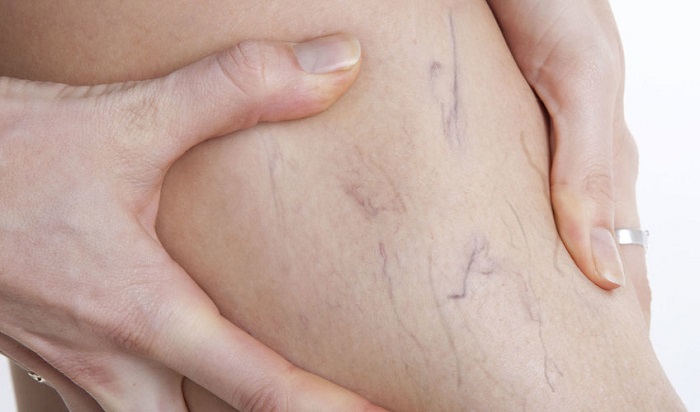
Varicose veins are abnormal, dilated blood vessels that usually occur in the legs. They are caused by faulty valves in the veins that allow blood to flow backward and pool in the vein. This causes the vein to enlarge and become twisted. Varicose veins can be painful and uncomfortable, and they can also lead to serious health problems if left untreated.
Treatment options include lifestyle changes, such as exercise and weight loss, and medical procedures, such as sclerotherapy or surgery. El Paso Vein Doc offers a variety of treatments for varicose veins. These include sclerotherapy, endovenous laser therapy, and ambulatory phlebectomy.
There are several things you can do to help prevent varicose veins from forming. First, try to avoid sitting or standing for long periods of time. If you must stand for long periods of time, be sure to move around often and wear comfortable shoes. Second, exercise regularly to improve circulation and strengthen the valves in your veins. Third, avoid tight clothing that restricts blood flow. Fourth, maintain a healthy weight to reduce the pressure on your veins. By following these simple tips, you can help prevent varicose veins from developing.
There are a number of nonsurgical treatments that can help to improve the appearance of varicose veins and relieve symptoms. These include wearing compression stockings, exercising regularly, and elevating the legs when possible. In some cases, sclerotherapy or laser treatment may also be recommended. With proper treatment, varicose veins can usually be managed without surgery.
Compression stockings
Compression stockings are a common treatment for varicose veins. By applying gentle pressure to the legs, they help to improve blood circulation and reduce swelling. Compression stockings are typically made of elastic material and are available in a variety of sizes. They can be bought over-the-counter or custom-fitted by a specialist.
While compression stockings are generally safe and effective, there are a few potential side effects to be aware of. These include skin irritation, headaches, and dizziness. In rare cases, compression stockings can also cause blood clots. If you experience any worrisome side effects, be sure to consult your doctor.
Exercising regularly
While there is no cure for varicose veins, exercising regularly can help to improve circulation and reduce symptoms. Walking and swimming are particularly helpful in promoting circulation, aides in prevention by strengthening the valves within the veins, which helps to keep blood flowing in the right direction.
Additionally, exercises that work the calf muscles, such as toe raises, can also be helpful in improving circulation and relieving symptoms. While varicose veins may never completely disappear, exercise can help to improve circulation and reduce pain and discomfort.
Elevating your legs
One of the most common treatments for varicose veins is elevation. By elevating the legs above the level of the heart, gravity can help to encourage blood flow. In addition, elevation can help to reduce pain and swelling by reducing the pressure on the veins. For best results, legs should be elevated for 30 minutes at a time, several times a day. However, even small amounts of elevation can help to improve symptoms. If you are considering using elevation to treat your varicose veins, be sure to talk to your doctor first.