











Close
Almac
Achema middle east

Stem Cell Plan To Vision Recovery – Singapore, Sweden Study

Note* - All images used are for editorial and illustrative purposes only and may not originate from the original news provider or associated company.

Subscribe

- Never miss a story with notifications

- Gain full access to our premium content

- Browse free from any location or device.

Media Packs

Expand Your Reach With Our Customized Solutions Empowering Your Campaigns To Maximize Your Reach & Drive Real Results!

– Access the Media Pack Now

– Book a Conference Call

Leave Message for Us to Get Back

Related stories

Industrial Boiler Water Treatment: Best Practices For Modern Plant Operations

Industrial boilers sit at the center of many plant...

Regeneron Looks to Infusing More Funds into Gene Editing

Regeneron Pharmaceuticals is going ahead and investing more funds...

Trump To Exempt UK-Origin Pharmaceuticals from Tariffs

The Trump administration has lined up yet another country-specific...
- Advertisement -

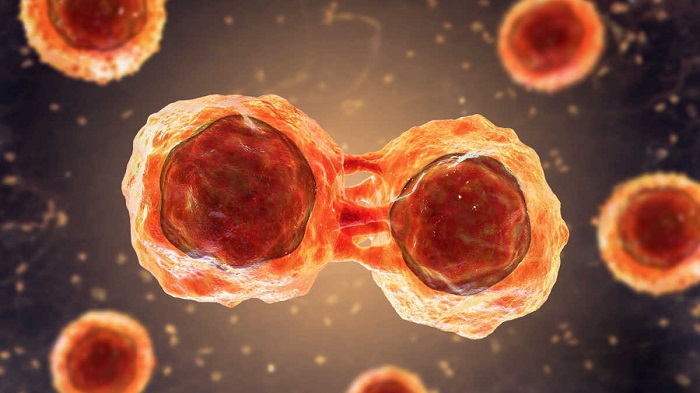
Preclinical study making use of stem cells to develop progenitor photoreceptor cells-light detecting cells found in the eye and thereafter transplanting these cells into experimental models of damaged retinas has led to a significant recovery of the vision.

The findings happen to be from scientists at Duke-NUS Medical School, the Karolinska Institute in Sweden, and the Singapore Eye Research Institute, and they mark the first step towards probably restoring vision when it comes to eye diseases that are characterised by photoreceptor loss. The degeneration of the photoreceptor in eye happens to be a prominent cause when it comes to deteriorating vision that eventually causes blindness, for which there is no effective treatment at present.

Photoreceptor degeneration happens to be in a variety of retinal diseases that are inherited, like retinitis pigmentosa, which is a rare eye disease that breaks down cells in the retina with time and leads to vision loss, as well as age-related degeneration of macular which is a leading reason for global vision impairment.

Moving forward, the team is hoping to refine their set of methodologies so as to make the process seamless and achieve more consistent outcomes as compared to the attempts that have been made before in order to explore the therapy of stem cells in the case of photoreceptor cell replacement.

According to Professor Karl Tryggvason from the Duke-NUS Cardiovascular and Metabolic Disorder Programme, who also happens to be the co-author of the study, if they happen to get results that look promising in their future studies, they hope to take the next step of moving towards clinical trials in patients, which would indeed be a significant step in reversing the damage to the retina and hence thereby restore the vision.,
Latest stories

Related stories

Industrial Boiler Water Treatment: Best Practices For Modern Plant Operations

Industrial boilers sit at the center of many plant...

Regeneron Looks to Infusing More Funds into Gene Editing

Regeneron Pharmaceuticals is going ahead and investing more funds...

Trump To Exempt UK-Origin Pharmaceuticals from Tariffs

The Trump administration has lined up yet another country-specific...

How Poor Medical Care in Nursing Homes Leads to Preventable Health Complications

Older adults in nursing homes rely on consistent, accurate...

Subscribe

- Never miss a story with notifications

- Gain full access to our premium content

- Browse free from any location or device.

Media Packs

Expand Your Reach With Our Customized Solutions Empowering Your Campaigns To Maximize Your Reach & Drive Real Results!

– Access theMedia Pack Now

– Book a Conference Call

Leave Message for Us to Get Back

Translate »