











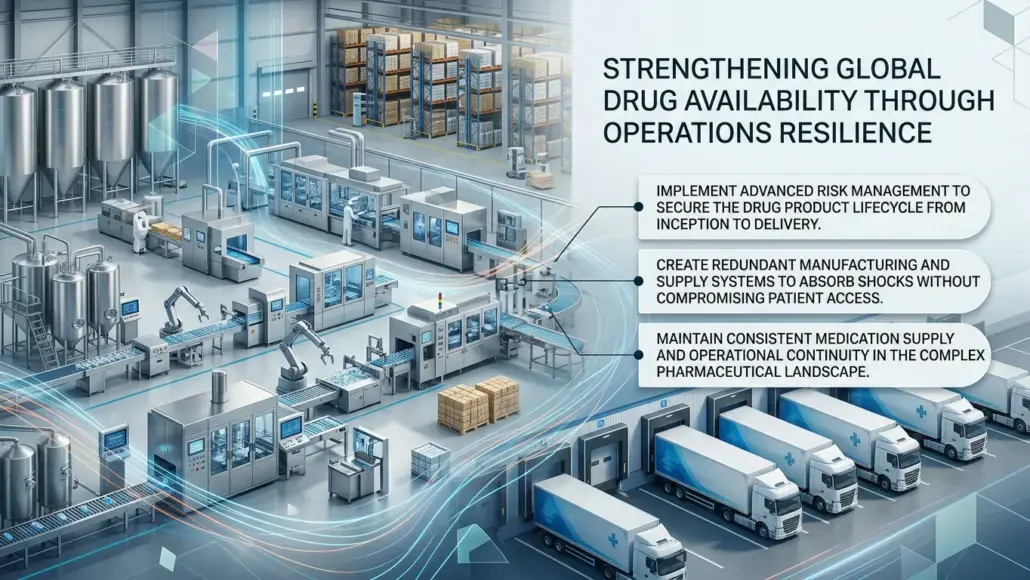
Global pharmaceutical markets require a sophisticated approach to risk management that moves beyond simple contingency planning. Establishing a framework for resilience involves identifying potential failure points across the entire lifecycle of a drug product, from raw material procurement to final patient delivery. Pharmaceutical organizations are increasingly prioritizing the development of redundant systems that can absorb shocks without compromising the availability of critical medications. This strategic shift is necessitated by the increasing frequency of global disruptions, ranging from geopolitical tensions to natural disasters that affect key manufacturing hubs. By embedding resilience into the core organizational structure, firms can maintain a steady flow of products even when primary channels are compromised.
The initial phase of building a resilient network involves a comprehensive audit of current dependencies. Many manufacturers rely heavily on a narrow set of suppliers for active pharmaceutical ingredients or specialized packaging materials. Mapping these dependencies allows for the identification of hidden risks, such as a single point of failure in a secondary tier of the supply chain. Resilience planning is not merely about having a backup plan; it is about creating a dynamic system that can adapt to changing conditions in real time. This requires a cultural shift within the organization, where risk awareness is integrated into every decision-making process. Leaders must foster an environment where transparency and collaboration are valued, enabling faster responses to emerging threats.
Effective resilience planning also incorporates financial modeling to understand the cost-benefit ratio of various risk mitigation strategies. While maintaining safety stock or diversifying suppliers may increase short-term costs, the long-term protection of operational continuity justifies these investments. The loss of market share and the potential impact on patient health during a shortage are far more significant than the incremental costs of building a more resilient network. Organizations that successfully implement these frameworks are better positioned to handle unexpected events, ensuring that patients receive life-saving treatments without interruption. This focus on long-term stability rather than short-term efficiency is a hallmark of modern pharmaceutical leadership.
Strategic Multi-Sourcing and Diversification of Suppliers
One of the most effective methods for enhancing resilience is the diversification of the supplier base. Relying on a single source for critical components creates a high-risk profile that can lead to catastrophic failures if that supplier experiences a disruption. Pharmaceutical companies are now actively seeking to establish relationships with multiple providers across different geographic regions. This multi-sourcing strategy provides a safety net, allowing production to shift to alternative sites if one region becomes inaccessible. The process of qualifying new suppliers is rigorous, involving extensive quality checks and regulatory filings, but the investment is necessary to protect the integrity of the supply chain.
Geographic diversification is particularly important for active pharmaceutical ingredients, which are often concentrated in a few specific countries. By spreading production across a wider footprint, companies can mitigate the risks associated with regional political instability or localized health crises. This approach also allows for better alignment with local market requirements, potentially reducing transportation times and costs. Diversification is not just about quantity; it is about selecting partners who share a commitment to quality and transparency. Strategic partnerships with contract development and manufacturing organizations (CDMOs) can also play a vital role in providing the flexibility needed to scale production quickly in response to changing demand.
Operational continuity depends on the ability of these diverse suppliers to communicate effectively with the central manufacturing hub. Establishing clear protocols for data sharing and performance monitoring ensures that all partners are aligned with the company’s resilience goals. Regular audits and performance reviews help to maintain high standards and identify areas for improvement. By creating a collaborative ecosystem of suppliers, pharmaceutical firms can build a more resilient network that is capable of withstanding significant pressure. This collaborative approach also fosters innovation, as suppliers are encouraged to suggest improvements to processes and materials that can further enhance the overall stability of the network.

Technological Integration for Real Time Visibility
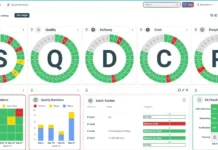
The adoption of digital tools is a critical enabler of supply chain resilience. Real-time visibility into the movement of goods and materials allows managers to identify bottlenecks and disruptions before they escalate into major problems. Advanced tracking systems, powered by the Internet of Things (IoT) and cloud-based platforms, provide a continuous stream of data that can be analyzed to optimize logistics and inventory levels. This level of transparency is essential for maintaining operational continuity in a complex and globalized industry. By having a clear view of the entire network, organizations can make more informed decisions and respond more quickly to changes in the environment.
Integrating demand sensing analytics improving pharmaceutical supply chain responsiveness into the digital ecosystem further enhances the ability to predict and respond to market shifts. By analyzing data from various sources, such as historical sales, social media trends, and economic indicators, companies can gain a deeper understanding of future demand patterns. This predictive capability allows for more accurate inventory management, reducing the risk of stockouts or overproduction. The synergy between visibility and analytics creates a powerful tool for resilience, enabling a more proactive approach to supply chain management. Technology also facilitates better collaboration between different functions within the organization, as data can be shared and analyzed collectively.
- Implementation of real-time sensor technologies to monitor temperature-sensitive biologics during transit.
- Utilization of blockchain for transparent and immutable tracking of pharmaceutical ingredients across the global network.
- Deployment of cloud-based collaborative platforms to unify data from internal departments and external supply chain partners.
- Integration of predictive maintenance tools within manufacturing facilities to prevent unexpected downtime and maintain production flow.
Automation and artificial intelligence are also playing an increasingly important role in optimizing supply chain operations. Machine learning algorithms can analyze vast amounts of data to identify patterns and anomalies that might indicate a potential disruption. This allows for earlier intervention and more effective risk mitigation. Automated systems in warehouses and distribution centers can improve efficiency and reduce the likelihood of human error. By leveraging these technologies, pharmaceutical companies can build a more agile and responsive supply chain that is better equipped to handle the challenges of the modern market. The continuous evolution of digital tools offers new opportunities for enhancing resilience and protecting the long-term stability of the industry.
Regulatory Compliance and Quality Assurance Synergy
Maintaining the highest standards of quality and compliance is non-negotiable in the pharmaceutical industry. Resilience planning must be deeply integrated with quality assurance processes to ensure that all risk mitigation strategies adhere to regulatory requirements. Changes to the supply chain, such as adding new suppliers or altering manufacturing processes, require careful documentation and approval from regulatory bodies. Failure to maintain compliance can lead to significant delays, fines, and damage to the company’s reputation. Therefore, quality assurance teams must be involved in every stage of the resilience planning process to provide guidance and ensure that all actions are fully compliant.
The integration of quality assurance into the supply chain also provides an additional layer of protection for operational continuity. By monitoring the quality of incoming materials and outgoing products in real time, companies can identify and address issues before they lead to significant disruptions. Advanced analytical techniques, such as process analytical technology (PAT), allow for continuous monitoring of manufacturing processes, ensuring that products consistently meet the required specifications. This proactive approach to quality management reduces the risk of batch failures and product recalls, which can have a devastating impact on the availability of medications. A strong commitment to quality is a fundamental component of a resilient supply chain.
Regulatory bodies are also increasingly focusing on the resilience of the pharmaceutical supply chain. New regulations and guidelines are being developed to encourage companies to take a more proactive approach to risk management. Compliance with these evolving requirements is essential for maintaining market access and protecting the long-term viability of the business. By working closely with regulators and staying informed about changing expectations, pharmaceutical firms can ensure that their resilience strategies are both effective and compliant. This collaborative relationship with regulatory bodies is a key factor in building a more stable and reliable global supply chain.
Future Paradigms in Manufacturing Agility
The future of pharmaceutical manufacturing lies in the development of more agile and flexible production systems. Traditional manufacturing methods, which often involve large batches and long lead times, are less suited to the needs of a rapidly changing market. New technologies, such as continuous manufacturing and modular production facilities, offer the ability to scale production up or down more quickly and respond more effectively to shifts in demand. These agile systems are a critical component of operational continuity, as they allow manufacturers to adapt to disruptions and maintain a steady supply of products. The shift towards manufacturing agility is being driven by the need for more personalized medicines and the increasing complexity of modern therapies.
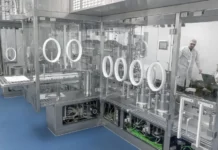
Continuous manufacturing, for example, allows for the production of medications in a single, uninterrupted process, reducing the time and cost associated with traditional batch manufacturing. This approach also improves quality control, as the process can be monitored and adjusted in real time. Modular production facilities, which consist of portable units that can be quickly assembled and reconfigured, provide the flexibility to manufacture different products in the same location. These technologies enable a more decentralized manufacturing model, which can improve resilience by reducing the reliance on a few large-scale facilities. The adoption of these innovative methods is essential for the future success of the pharmaceutical industry.
Investing in manufacturing agility also requires a commitment to workforce development. Employees must be trained in the use of new technologies and encouraged to adopt a more flexible and innovative mindset. A skilled and adaptable workforce is a vital asset for any organization seeking to enhance its resilience. By fostering a culture of continuous improvement and learning, pharmaceutical companies can ensure that they are well-prepared for the challenges and opportunities of the future.