








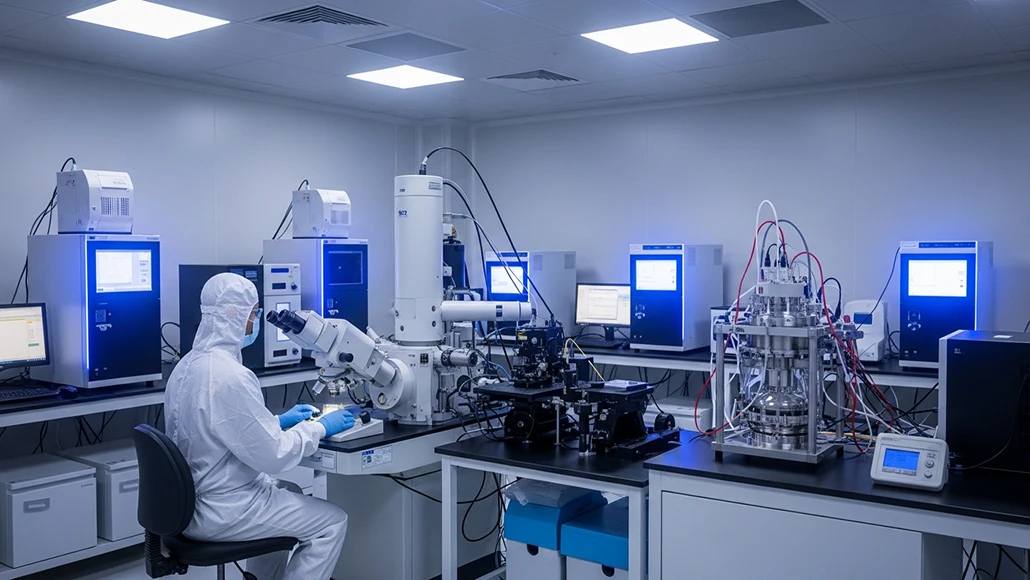
The intersection of material science and biology has given rise to one of the most promising fields in modern medicine: nanotechnology in drug delivery. At the heart of this revolution is the ability to manipulate matter at the scale of nanometers where one nanometer is a billionth of a meter. To put this in perspective, a single human hair is approximately 80,000 to 100,000 nanometers wide. By operating at this infinitesimal scale, researchers can design drug delivery vehicles that interact with cells and biomolecules in ways that were previously unimaginable. These nanotechnology applications in drug delivery development are not just incremental improvements over older methods; they represent a paradigm shift in how we conceive of and administer therapeutic agents.
Traditionally, drugs were distributed throughout the body in a relatively uncontrolled manner, often leading to systemic toxicity and the need for high doses to achieve a therapeutic effect at a specific site. The primary advantage of nano drug delivery is the ability to bypass these limitations through precision engineering. By encapsulating drugs within nanocarriers, scientists can protect the active ingredients from premature degradation, control their release over time, and, most importantly, direct them specifically to the site of the disease. This level of control is essential for the next generation of advanced drug systems, which aim to make medicine more effective, less toxic, and more personalized.
The Diverse World of Nanocarriers
A wide array of nanostructures has been developed to serve as delivery vehicles, each with its own unique set of properties and advantages. Liposomes, which are small spherical vesicles composed of lipid bilayers, were among the first nanotechnology applications in drug delivery development to reach the market. Because they mimic the structure of cell membranes, they are highly biocompatible and can carry both water-soluble and fat-soluble drugs. They have been used extensively in oncology to deliver potent chemotherapeutic agents directly to tumors, significantly reducing the cardiac and renal toxicity associated with traditional chemotherapy.
Polymeric nanoparticles and micelles offer another layer of sophistication. These are engineered from biodegradable polymers that can be designed to release their cargo in response to specific environmental triggers, such as changes in pH or the presence of certain enzymes. This “smart” release mechanism is particularly useful in targeting the acidic microenvironment of cancerous tumors. Furthermore, dendrimers highly branched, tree-like molecules provide a high degree of surface area for attaching multiple drug molecules and targeting ligands. This multi-valency allows for a “search and destroy” mission at the molecular level, making these nanocarriers a cornerstone of targeted therapeutics.
Overcoming Biological Barriers with Precision
One of the greatest challenges in pharmacology is the presence of biological barriers that protect the body from foreign substances but also prevent life-saving drugs from reaching their targets. The most famous of these is the blood-brain barrier (BBB), a highly selective filter that prevents nearly 98% of small-molecule drugs from entering the central nervous system. Pharmaceutical nanotechnology is providing the keys to unlock this barrier. By coating nanoparticles with specific surfactants or targeting peptides, researchers can trick the transport systems of the BBB into allowing the drug-loaded carriers to pass through. This has profound implications for the treatment of neurodegenerative diseases like Alzheimer’s and Parkinson’s, as well as brain tumors.
Beyond the brain, the body’s immune system often identifies and clears foreign delivery vehicles before they can reach their destination. To combat this, many nano drug delivery systems are “PEGylated” coated with a layer of polyethylene glycol. This coating creates a watery “cloud” around the nanoparticle, making it invisible to the immune cells of the reticuloendothelial system. This “stealth” technology allows the nanocarriers to circulate in the bloodstream for much longer periods, increasing the probability that they will eventually accumulate in the target tissue through the enhanced permeability and retention (EPR) effect.
Nanotechnology in the Era of Genetic Medicine
The recent success of mRNA-based vaccines has catapulted nanotechnology in drug delivery into the public spotlight. These vaccines rely on lipid nanoparticles (LNPs) to deliver delicate strands of mRNA into human cells. Without these advanced drug systems, the mRNA would be destroyed by enzymes in the body almost instantly. The LNP not only protects the genetic material but also facilitates its entry into the cell and its subsequent release into the cytoplasm where it can be translated into proteins. This success has proven that nanotechnology is no longer a niche research area but a robust, scalable platform for global health.
The implications for gene therapy are vast. Scientists are now developing nanocarriers for CRISPR-Cas9 gene-editing tools, aiming to correct genetic mutations at their source. By using nanotechnology applications in drug delivery development, these powerful molecular scissors can be delivered to specific organs, such as the liver or the lungs, with minimal off-target effects. This represents a move toward “programmable therapeutics,” where the delivery system remains constant, but the genetic payload can be swapped out to treat different diseases.
Safety, Scalability, and the Path to the Clinic
Despite the immense potential of pharmaceutical nanotechnology, the path from the laboratory to the patient is filled with challenges. The unique properties of nanomaterials which make them so effective also mean that their toxicity profiles are different from traditional drugs. Assessing the long-term safety of nanoparticles, including their accumulation in organs like the liver and spleen and their eventual clearance from the body, is a major focus of ongoing research. Regulatory agencies have had to develop new frameworks to evaluate these complex “nanomedicines,” ensuring that they meet the same rigorous standards for safety and efficacy as any other pharmaceutical product.
Manufacturing at scale is another significant hurdle. Producing nanoparticles with a consistent size, shape, and drug-loading capacity requires highly specialized equipment and precise control over chemical processes. However, as the field matures, new techniques like microfluidics are making it possible to produce these advanced drug systems with high reproducibility and throughput. This industrialization is essential for making targeted therapeutics accessible to a broad population and reducing the cost of treatment.
Future Horizons: The Rise of Nanorobotics
Looking further ahead, the field of nanotechnology in drug delivery is moving toward the development of autonomous nanomachines or nanorobots. These would be systems capable of navigating the bloodstream, sensing signs of disease, and performing localized repairs or drug release without human intervention. While this sounds like science fiction, early prototypes of DNA-based nanobots have already been demonstrated in laboratory settings, capable of unfolding and releasing drugs only when they encounter specific cancer biomarkers.
The convergence of nanotechnology, artificial intelligence, and synthetic biology is set to create a future where medicine is no longer a blunt instrument but a precise, molecular-scale intervention. By continuing to refine our understanding of how nanomaterials interact with the human body, we are building a toolkit that will allow us to treat the most challenging diseases with unprecedented grace and efficiency. Nanotechnology applications in drug delivery development are not just changing how we deliver drugs; they are changing our fundamental understanding of what it means to heal.