










One of the latest studies that takes into account the tumour microenvironment of pancreatic cancer puts forth the cause that tumour cells are resistant to immunotherapy, resulting in new strategies for treatment.
The study, which is led by Johns Hopkins Kimmel Cancer Center researchers, is the latest when it comes to the ongoing platform trial, which was formed in 2015 in order to take into account immunotherapy treatment before and after the surgery in patients with pancreatic cancer. The platform helps the researchers use the data generated by the trial to progress the immunotherapy development for pancreatic cancer in the same trial, according to Lei Zheng, MD, Ph.D.
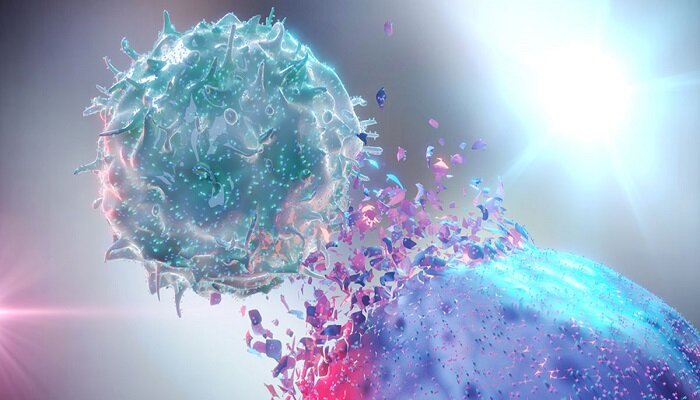
It should be taken into account that pancreatic cancer suppresses the immune response of the body and also prevents its immune effector cells like the T cells from thwarting tumour cells, which researchers term a cold microenvironment. In this particular platform trial, scientists gained key information on the microenvironment of the cells that are in and around the tumour and trigger the immune response.
There were two forms of treatment that were known to stimulate the T cells of the body to attack cancer either alone or in a group that were researched, including anti-PD-1 immunotherapy, which restricts the immune checkpoint that these cancer cells make use of to turn off cancer’s immune response. The other immunotherapy study was GVAX, which happens to be a therapeutic vaccine that can stimulate the immune system of the patient so as to attack the cancer.
There were, however, two prominent defects that were found in the microenvironment of the pancreatic cancer tumor. The first point was that T cells are exhausted and aren’t sufficiently active, and the second element is that myeloid cells go on to barge the microenvironment and prevent T cells from triggering against the cells of pancreatic cancer even when they have been treated with GVAX as well as anti-PD-1 immunotherapy.
According to Zheng, a significant element of the myeloid cells known as neutrophils created by the immune cells to thwart injection is taken over by pancreatic cancer cells in order to suppress the activation of T cells.
Because of these findings, the researchers have already begun testing two novel treatment strategies which are anti-CD137 to activate T cells and anti-IL-8 antibody treatment tagging along with anti PD-1 immunotherapy. As per Zheng, they have seen a promising activity, which they believe will enhance the disease-free survival rate in patients after the surgery.