















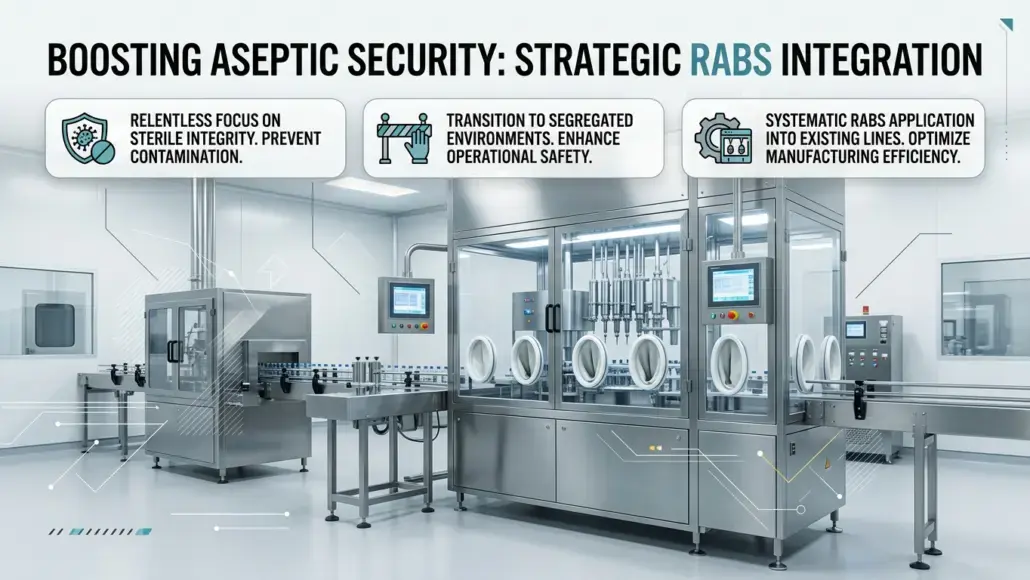
The pharmaceutical industry maintains a relentless focus on sterile integrity, where the prevention of microbial and particulate contamination remains the primary operational objective. As manufacturing complexities increase, the transition from open cleanroom operations to more segregated environments has become a regulatory and operational necessity. One of the most effective strategies for achieving this transition is the systematic application of restricted access barrier systems into existing or new production architectures. This approach creates a physical separation between the operator and the sterile product, significantly reducing the probability of human-derived contamination while maintaining the flexibility required for complex filling processes. By implementing these restricted access systems, manufacturers can achieve a higher level of assurance that the critical zone remains protected from external environmental influences.
Highlighting the Structural Advantages of RABS Integration
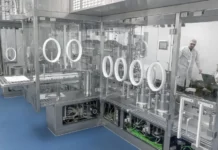
The architectural foundation of any sterile filling operation relies on the robustness of its barrier technology. Unlike traditional cleanroom setups where the operator is in closer proximity to the filling needles and open vials, the use of these barriers establishes a rigid physical partition. This partition consists of high-quality tempered glass or polycarbonate panels mounted on stainless steel frames, which effectively isolate the aseptic core. This structural segregation is not merely a physical shield but a component of a larger contamination control strategy. The integration process requires a detailed assessment of the machine footprint and the cleanroom height to ensure that the barrier does not impede the necessary laminar airflow.
Structural integration also involves the deployment of specialized transfer systems, such as Rapid Transfer Ports (RTPs), which allow for the introduction of sterile components without compromising the internal environment. These ports are essential for maintaining the pressure differentials required to prevent ingress from the surrounding Grade B environment into the Grade A critical zone. Additionally, the design of the barrier must account for the specific movements of the filling machinery, including vibration and heat generation, which can influence the stability of the internal atmosphere. A well-executed integration ensures that the physical barrier is as unobtrusive as possible while providing maximum protection against the most common source of contamination: the human operator.
The transition to these systems often involves a significant capital investment, but the long-term benefits in terms of batch security and regulatory alignment are substantial. As facilities look to upgrade their legacy lines, the decision to integrate restricted access barriers often hinges on the balance between operational flexibility and contamination risk. In many cases, the ability to perform manual interventions through glove ports without opening the main doors provides the necessary compromise, allowing for high throughput while maintaining a stringent aseptic environment. This structural evolution represents a major step forward in the pursuit of zero-defect sterile manufacturing.
Managing Airflow Dynamics within Restricted Access Barriers
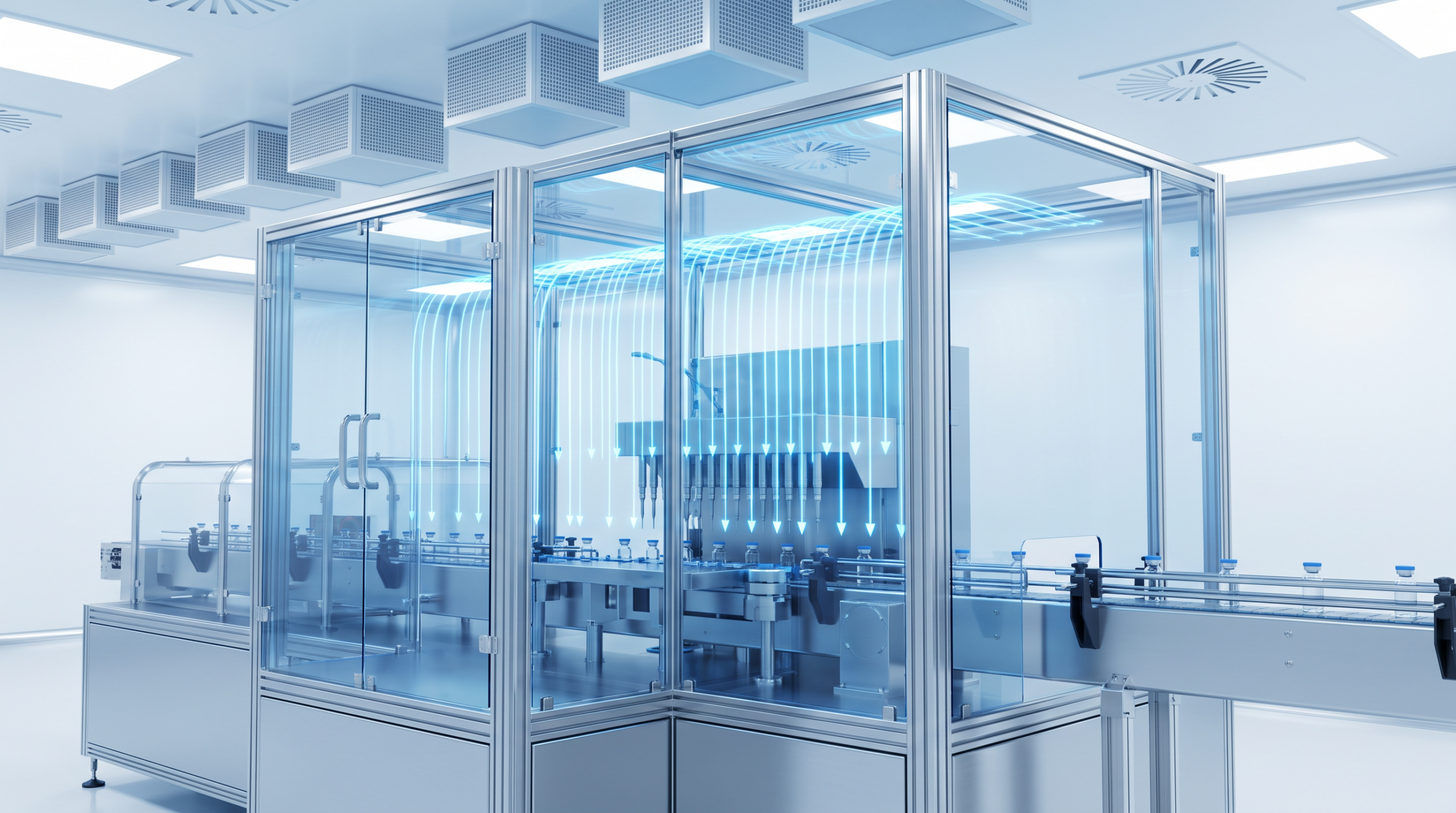
Beyond the physical glass, the efficacy of these systems is determined by the management of unidirectional airflow. In a standard Grade A environment, air must move in a consistent path at a velocity typically between 0.36 and 0.54 meters per second to sweep particles away from the critical zone. When a barrier is introduced, the airflow patterns can be disrupted by the physical panels and the equipment geometry. Therefore, computational fluid dynamics (CFD) modeling is a critical tool during the integration phase. This modeling allows engineers to visualize how air enters the enclosure from the ceiling-mounted HEPA filters and how it is exhausted at the base of the equipment.
Effective airflow management ensures that any particles generated during the filling process, such as glass shards or product droplets, are immediately entrained in the air stream and carried away from the open containers. The integration of the barrier system must ensure that there are no “dead zones” where air stagnates, as these areas can become breeding grounds for microbial growth. In passive systems, the airflow is provided by the cleanroom’s HVAC system, which requires precise balancing to maintain the internal overpressure. Active systems, conversely, incorporate their own fans and filters, providing a more localized and controllable environment that is less dependent on the overall cleanroom conditions.
Maintaining the integrity of this airflow requires continuous monitoring of pressure and velocity. Sensors placed within the enclosure provide real-time data to the building management system, alerting operators to any fluctuations that could indicate a breach in the barrier or a failure in the HVAC system. This level of control is particularly important when dealing with highly potent or sensitive biological products, where even a minor disruption in the airflow could lead to significant product loss or safety risks. The synergy between physical barriers and aerodynamic control is the hallmark of a modern, integrated contamination control strategy.
Strategic Selection of Active versus Passive Systems
Choosing between active and passive restricted access barrier systems is a pivotal decision that impacts both the cost and the operational capability of the filling line. Passive systems are generally simpler and more cost-effective, relying on the cleanroom’s existing HEPA filtration to provide the necessary Grade A air. However, they offer less control over the internal environment and are more susceptible to variations in the cleanroom’s overall pressure and temperature. For manufacturers with highly stable and well-regulated cleanrooms, a passive system may be sufficient to meet regulatory requirements while keeping capital expenditures low.
Active systems, on the other hand, feature dedicated fan-filter units (FFUs) that provide a self-contained Grade A environment. This setup allows for greater precision in controlling airflow velocity and internal pressure, making it ideal for facilities that handle a wide variety of products or those with less consistent cleanroom conditions. The active barrier system also facilitates easier bio-decontamination processes, as the system can be isolated and treated independently of the surrounding room. This independence is a significant advantage during maintenance or product changeovers, as it reduces the risk of cross-contamination between batches.
The selection process should be guided by a thorough risk assessment that considers the sensitivity of the product, the volume of production, and the existing facility infrastructure. Key factors to evaluate include:
- The required frequency of manual interventions and the potential impact on internal airflow.
- The complexity of the bio-decontamination protocols, especially for multi-product facilities.
- The long-term maintenance requirements and the availability of technical support for specialized FFUs.
- The overall impact on energy consumption and the facility’s carbon footprint.
- The degree of automation planned for the filling line, which may reduce the need for manual access.
Ultimately, the goal is to select a system that provides the highest level of contamination control while remaining economically viable. Whether active or passive, the successful RABS integration requires a collaborative approach between the equipment manufacturer, the facility engineers, and the quality assurance team.
Enhancing Cleanroom Operational Efficiency via Barrier Technology
The implementation of RABS integration does more than just improve contamination control; it also enhances the overall efficiency of the cleanroom operations. By providing a more localized Grade A environment, manufacturers can often reduce the strictness of the surrounding cleanroom requirements, potentially moving from a Grade B background to a Grade C background in certain applications, depending on the regulatory framework and the specific system design. This shift can lead to significant savings in gowning costs, HVAC energy consumption, and environmental monitoring requirements. Additionally, the barrier protects the equipment from external dust and debris, extending the life of sensitive machinery components.
Operational efficiency is also gained through the standardization of aseptic procedures. When a barrier system is in place, the steps for setup, filling, and cleaning are more clearly defined and less subject to operator variability. This standardization facilitates easier training and reduces the likelihood of human error, which is the leading cause of batch rejections in sterile manufacturing. The integration process often includes the development of detailed standard operating procedures (SOPs) that specify exactly how to perform interventions through the glove ports, ensuring that the sterile field is never compromised.
Additionally, the use of these systems aligns with the latest regulatory expectations, such as the Annex 1 implementation which emphasizes a holistic contamination control strategy. By adopting these technologies, manufacturers demonstrate a proactive commitment to quality and safety, which can streamline the audit process and improve market competitiveness. The data generated by the continuous monitoring systems also provides a wealth of information for process optimization and troubleshooting, allowing for continuous improvement in production yields and product quality. The integration of barrier technology is not just a compliance exercise but a strategic investment in the future of pharmaceutical manufacturing.
As the industry continues to evolve towards more personalized medicine and highly specialized biologics, the need for flexible yet secure aseptic filling solutions will only grow. The role of RABS integration in meeting these challenges cannot be overstated, providing a reliable and scalable platform for the next generation of sterile products. By focusing on the synergy between physical barriers, airflow dynamics, and operational discipline, pharmaceutical companies can ensure that their products reach patients with the highest level of purity and efficacy. The journey toward total contamination control is ongoing, but with the right technological foundation, the industry is well-positioned to meet the demands of the modern healthcare environment.
The anchor text for the interlinking opportunity is Annex 1 implementation, and the complete sentence is: Additionally, the use of these systems aligns with the latest regulatory expectations, such as the Annex 1 implementation which emphasizes a holistic contamination control strategy.