










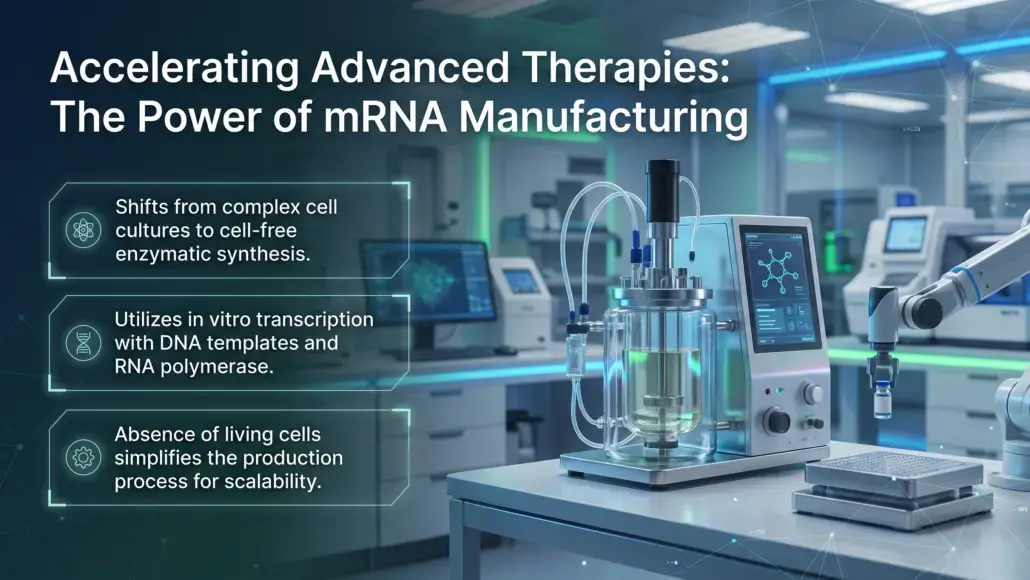
The rapid development of messenger RNA technology has necessitated a shift in how the pharmaceutical sector approaches the production of advanced therapies. Unlike traditional biologics that rely on complex cell culture systems, mRNA manufacturing platforms utilize cell-free enzymatic synthesis, primarily through in vitro transcription. This process involves the use of a DNA template and RNA polymerase to generate the desired RNA sequence. The absence of living cells simplifies the production process significantly, as it eliminates the risks associated with cellular contaminants and the variability inherent in biological systems. This streamlined approach is a major driver behind the increased interest in these systems for both prophylactic vaccines and therapeutic applications.
The efficiency of in vitro transcription is highly dependent on the quality of the DNA template and the purity of the enzymes used. Plasmid DNA is the most common starting material, but its production still requires traditional fermentation and purification steps. To further enhance scalability, researchers are exploring the use of synthetic DNA templates, which can be produced entirely through chemical or enzymatic means. This would allow for a completely cell-free production pipeline, further reducing the time and cost associated with mRNA synthesis. The ability to rapidly iterate on the genetic sequence also makes these platforms ideal for personalized medicine, such as patient-specific cancer vaccines.
Optimization of the enzymatic reaction is essential for achieving high yields and maintaining the integrity of the mRNA molecule. Parameters such as temperature, nucleotide concentration, and the use of specialized capping analogs must be carefully controlled. The addition of a 5-prime cap and a poly-adenylated tail is critical for the stability and translation efficiency of the mRNA once it enters the target cell. Modern platforms integrate these capping steps either during the transcription reaction or as a subsequent enzymatic process. By focusing on the precision of these chemical and enzymatic steps, developers can ensure that the resulting therapy is both potent and safe for clinical use.
Lipid Nanoparticle Formulation and Encapsulation
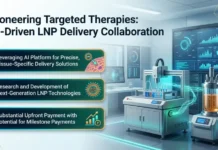
While the synthesis of the mRNA molecule is a critical step, the delivery of the genetic material to the target cells remains a significant challenge. mRNA is inherently unstable and can be rapidly degraded by extracellular enzymes. Additionally, the large, negatively charged molecule cannot easily cross the cell membrane on its own. Lipid nanoparticles have emerged as the primary delivery vehicle, providing a protective shell that facilitates cellular uptake and endosomal escape. The integration of advanced encapsulation technologies within these systems is vital for ensuring the therapeutic efficacy of these products.
The formulation of lipid nanoparticles involves a precise mixture of ionizable lipids, cholesterol, helper lipids, and polyethylene glycol-conjugated lipids. The ionizable lipid is the most critical component, as it remains neutral at physiological pH but becomes positively charged in the acidic environment of the endosome, promoting the release of the mRNA into the cytoplasm. Achieving the optimal particle size and encapsulation efficiency requires sophisticated mixing techniques, such as microfluidics or impingement jet mixing. These methods allow for the rapid and controlled assembly of the nanoparticles, ensuring a consistent product with a narrow size distribution.
Scalability in the encapsulation process is a major focus for the industry. Traditional batch methods for nanoparticle formation are often difficult to scale and can lead to variations in product quality. Continuous manufacturing processes, enabled by microfluidic technologies, offer a solution by providing a constant and reproducible environment for nanoparticle assembly. This approach not only improves the efficiency of these manufacturing systems but also simplifies the transition from laboratory-scale development to commercial-scale production. As the pipeline for mRNA-based therapies continues to expand, the ability to reliably produce high-quality delivery vehicles at scale will be a key factor in the success of these advanced treatments.
Purification Strategies and Impurity Removal
The purification of mRNA is a complex process that must remove various impurities, including template DNA, enzymes, unreacted nucleotides, and aborted RNA transcripts. Unlike small molecules, mRNA is a large and sensitive polymer, requiring gentle purification methods to maintain its structural integrity. Chromatography remains the workhorse of the purification process, with various modes such as ion-exchange, hydrophobic interaction, and affinity chromatography being utilized. The challenge lies in achieving high purity while maintaining a high recovery rate, which is essential for the economic viability of the manufacturing process.
One of the most significant impurities is double-stranded RNA, which can be a byproduct of the in vitro transcription reaction. Double-stranded RNA is highly immunogenic and can trigger an unwanted immune response in the patient, potentially leading to side effects and reduced therapeutic efficacy. Modern platforms employ specialized purification steps, such as cellulose-based chromatography or high-performance liquid chromatography under specific conditions, to selectively remove these double-stranded species. The use of tangential flow filtration is also common for concentration and buffer exchange, providing a scalable and efficient method for final product formulation.
As the industry moves toward more standardized production processes, the integration of single-use technologies is becoming increasingly common. Single-use chromatography columns and filtration units reduce the risk of cross-contamination and simplify the cleaning validation process. This is particularly important for manufacturing facilities that produce multiple different mRNA products. The goal is to create a modular and flexible purification suite that can be easily adapted to different sequences and scales. By prioritizing the removal of impurities and the stability of the final product, manufacturers can ensure that mRNA-based therapies meet the stringent quality standards required by regulatory agencies.
Analytical Characterization and Quality Control
Ensuring the quality and consistency of mRNA-based therapies requires a comprehensive suite of analytical characterization tools. The identity, purity, and potency of the mRNA must be rigorously evaluated at multiple stages of the manufacturing process. Key quality attributes include the sequence integrity, the degree of capping and polyadenylation, and the levels of residual DNA and protein. Advanced techniques such as capillary electrophoresis and mass spectrometry are frequently used to provide detailed information on the molecular structure and purity of the mRNA.
The characterization of the lipid nanoparticles is equally important. Parameters such as particle size, polydispersity index, and encapsulation efficiency must be monitored to ensure that the delivery vehicle is performing as expected. The distribution of the different lipid components within the nanoparticle and the stability of the formulation over time are also critical considerations. Dynamic light scattering and cryogenic electron microscopy are among the tools used to visualize and measure these physical properties. The integration of these analytical methods into mRNA manufacturing platforms allows for real-time monitoring and control of the production process.
Potency assays are a central part of the quality control strategy, providing a measure of how effectively the mRNA can be translated into the target protein. These assays often involve cell-based models where the mRNA is delivered to the cells, and the resulting protein expression is measured. While these assays are complex and time-consuming, they are essential for demonstrating that the manufacturing process consistently produces a functional therapeutic. As the regulatory framework for advanced therapies continues to evolve, the development of standardized and validated analytical methods will be crucial for the global approval and distribution of innovative mRNA-based treatments.
Facilities Design and Global Scalability
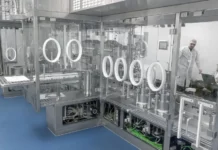
The design of manufacturing facilities for mRNA therapies must account for the unique requirements of the production process and the need for rapid scalability. Unlike traditional biologics facilities that require large bioreactors and extensive infrastructure, mRNA production can often be achieved in smaller, more modular suites. This flexibility allows for the rapid deployment of manufacturing capacity in response to global health needs, as demonstrated during the development of vaccines for the COVID-19 pandemic. Modern mRNA manufacturing platforms are increasingly designed as “factory-in-a-box” systems that can be easily transported and set up in different locations.
Global scalability also requires a focus on the supply chain for critical raw materials, such as specialized enzymes and lipids. Ensuring a reliable and consistent supply of these materials is essential for maintaining production schedules and meeting market demand. The industry is looking at ways to decentralize manufacturing, allowing for the production of therapies closer to the point of care. This approach is particularly relevant for personalized cancer vaccines, where the time from patient biopsy to treatment is a critical factor. By integrating decentralized manufacturing with digital tracking and quality control systems, companies can ensure that patients receive their treatments safely and efficiently.
The regulatory path for mRNA therapies is also becoming clearer as agencies gain more experience with these technologies. However, the requirement for detailed data on the manufacturing process and product characterization remains high. Companies must demonstrate that their mRNA manufacturing platforms are capable of consistently producing a high-quality product that meets all safety and efficacy requirements. The use of automated systems and digital twins to simulate the manufacturing process can help in optimizing production and reducing the risk of errors. As the field of advanced therapies continues to mature, the ability to scale production while maintaining the highest quality standards will be the defining factor for the leaders in this rapidly growing sector.