




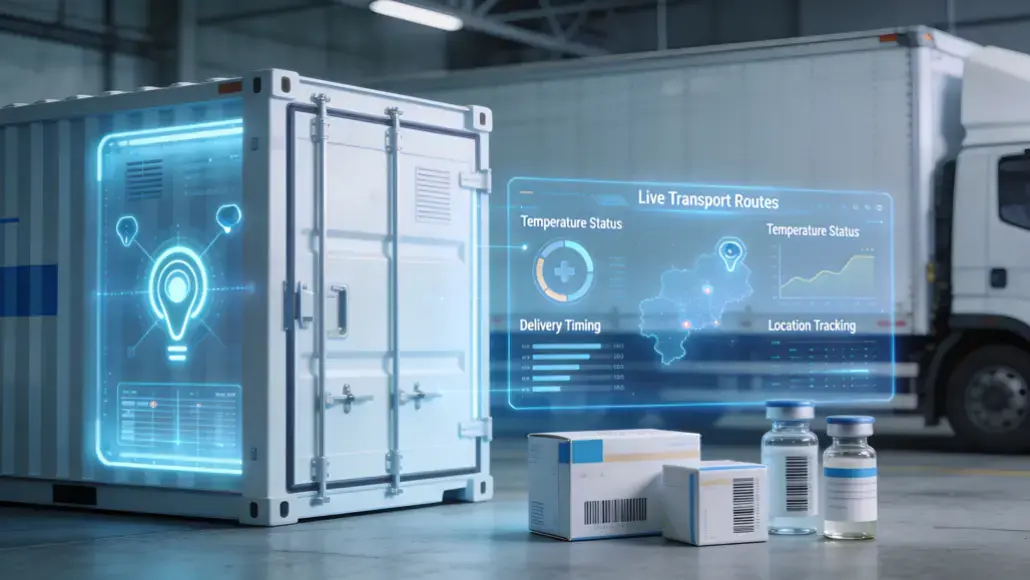
In the high-stakes and increasingly complex world of pharmaceutical logistics, the ability to see exactly what is happening at every moment of a shipment’s journey is no longer a luxury it is a critical, foundational necessity. Real time visibility pharma transport systems have emerged as a transformative force in the industry, providing the granular data, immediate insights, and high-fidelity oversight required to manage the modern drug distribution landscape. As medications become more specialized, sensitive, and high-value, the traditional “black box” of transport where information was only available at the point of origin and the final destination has been replaced by a continuous, live stream of actionable intelligence. This level of transparency is the bedrock of a more efficient, secure, and patient-centric pharmaceutical supply chain that can withstand the pressures of a globalized market.
The drive for real-time visibility is fueled by a powerful combination of rapid technological advancement and increasing regulatory demand. Health authorities and regulatory bodies globally, such as the FDA and the European Medicines Agency, are setting higher standards for the documentation and verification of the conditions under which pharmaceuticals are handled and transported. At the same time, the rise of the Internet of Things (IoT) and high-speed global connectivity has made it possible to equip almost any shipment with sophisticated sensors that can transmit data from nearly anywhere on the planet. By integrating this technology into their logistics operations, pharmaceutical companies can ensure they are not only meeting these rigorous compliance standards but also driving a level of operational excellence that was previously out of reach.
The Critical Role of Connected Tracking in Modern Pharmaceutical Logistics
Connected tracking is the primary and most visible mechanism through which real-time visibility is achieved in pharma transport. By utilizing a sophisticated combination of GPS, cellular (LTE/5G), and satellite communication technologies, logistics providers and manufacturers can monitor the precise location and movement of a shipment at all times. This is particularly vital for international and multi-modal transport, where products may pass through multiple transit hubs, cross numerous international borders, and be handled by a variety of different carriers. Knowing the exact location of a shipment allows for the seamless and efficient coordination of ground handling, customs clearance, and the critical “last mile” delivery, all of which are essential for maintaining the tight and often inflexible timelines required for modern pharmaceutical products.
However, the value of connected tracking goes far beyond simple location monitoring. It encompasses a comprehensive view of the status and integrity of the transport vehicle or container. Modern visibility platforms can monitor variables such as door openings, fuel levels in refrigerated units, and even the levels of vibration and physical shock experienced by the cargo. For high-value drug distribution, this level of detail is absolutely essential for preventing and detecting theft, unauthorized diversion, or physical damage in transit. If an unexpected door opening is detected in a high-risk area, for example, the system can immediately trigger a high-priority alert to a security control tower, allowing for immediate intervention and investigation.
This proactive and data-driven approach to security is a major factor in enhancing the overall efficiency and reliability of the pharma transport network. It reduces the likelihood of product loss and the massive financial and clinical costs associated with it. Furthermore, the data gathered by connected tracking systems can be used to identify “security blind spots” or problematic handling points in the supply chain, allowing companies to implement more robust protocols and targeted training. In a world where the security of the drug supply is of paramount importance, connected tracking provides the transparency and accountability needed to protect both the product and the patient.
Thermal Monitoring and the Absolute Integrity of the Cold Chain
In the pharmaceutical industry, visibility is inseparable from the science of thermal monitoring. A vast and growing percentage of modern treatments including life-saving vaccines, oncology medications, and biologics must be kept within extremely precise temperature ranges to remain chemically stable and clinically effective. Real-time thermal monitoring provides continuous, live feedback on the environmental conditions inside the transport container, ensuring that any deviation, however small, is detected and addressed immediately. This “live” view of the cold chain is a significant and necessary improvement over traditional passive data loggers, which only provide information after the shipment has arrived often when the product has already been compromised and must be discarded.
The integration of thermal monitoring into a broader real-time visibility platform allows for a more holistic and intelligent approach to cold chain tracking. When temperature data is combined with precise location and transit time information, logistics managers can make much more informed and effective decisions about how to handle specific shipments in real-time. For instance, if a shipment is delayed on a tarmac in a high-temperature environment, the system can calculate the remaining “thermal budget” of the packaging and determine if the route needs to be expedited, or if the product needs to be moved to a temporary cold storage facility. This level of precision and foresight minimizes the risk of product excursions and ensures that every single dose delivered to a patient is of the highest possible quality and efficacy.
Moreover, real-time thermal monitoring enables the transition from reactive to proactive quality management. Instead of investigating a temperature failure after it has occurred, companies can use real-time data to identify trends that might lead to a failure, such as a slow rise in internal temperature indicating a failing cooling unit. This allows for intervention before the product is actually damaged. The wealth of data generated by these systems also facilitates more accurate and scientifically sound decisions regarding product release. Quality assurance teams can review the entire, unbroken environmental history of a shipment, providing a level of confidence that was simply not possible in the era of manual temperature checks and retrospective logging.
Driving Operational Efficiency Through Data Integration and Analytics
The true transformative power of real time visibility pharma transport systems lies in how the resulting data is used to optimize the entire logistics and supply chain operation. By integrating visibility data directly into enterprise resource planning (ERP), warehouse management systems (WMS), and transportation management systems (TMS), pharma companies can achieve a level of synchronization and agility that was previously unimaginable. For example, knowing the exact and updated arrival time of a shipment allows a warehouse to optimize its labor scheduling, gate management, and cold storage space allocation, significantly reducing the time that sensitive products spend in non-controlled environments such as receiving docks.
This seamless and automated flow of information eliminates many of the traditional bottlenecks and friction points that have historically plagued pharmaceutical logistics. Furthermore, the long-term analysis of visibility data through advanced supply chain analytics provides invaluable insights for strategic planning and network optimization. By identifying consistent patterns of delays, temperature excursions, or handling issues on specific routes or with certain logistics partners, companies can implement targeted, data-driven improvements to their transport strategies. This might involve renegotiating contracts, redesigning packaging, or shifting to different transport modes that offer better performance and reliability.
This data-driven approach allows for a cycle of continuous improvement, where the supply chain becomes progressively more efficient, resilient, and cost-effective over time. In a highly competitive and regulated market, the ability to operate a leaner, more responsive, and more reliable logistics network is a significant strategic advantage. It allows for lower operational costs, reduced product waste, and, most importantly, better service levels for healthcare providers and patients. Real-time visibility turns the logistics function from a necessary cost center into a strategic engine for value creation and patient safety.
Enhancing Security, Compliance, and Trust in Global Drug Distribution
Security and compliance are the twin, non-negotiable pillars of a successful pharmaceutical transport operation, and real-time visibility significantly strengthens both. In an era where counterfeit medications, cargo theft, and supply chain diversion are persistent and evolving global threats, the ability to track every shipment in real-time is an exceptionally powerful deterrent and investigative tool. Secure drug distribution systems that leverage real-time visibility data can provide a clear, unbroken, and verifiable chain of custody, ensuring that the integrity and authenticity of the product are never in doubt from the moment it leaves the manufacturer to the moment it reaches the clinic.
This level of transparency is also a major asset during rigorous regulatory audits and inspections. It allows pharmaceutical companies to provide immediate, detailed, and undeniable proof of their compliance with global Good Distribution Practices (GDP). Instead of sifting through thousands of paper logs or disparate digital files, compliance teams can generate comprehensive reports on the environmental history and handling of any shipment in minutes. This not only reduces the administrative burden and cost of compliance but also minimizes the risk of regulatory citations, fines, or product recalls that can damage a company’s reputation and financial standing.
Moreover, the use of visibility technology supports the “patient-first” philosophy that is increasingly defining the mission of the pharmaceutical industry. By ensuring that transport is as efficient, secure, and reliable as possible, companies can significantly reduce the risk of stockouts and ensure that life-saving medications reach the patients who need them without any avoidable delay. This is particularly vital for time-critical treatments, such as those used in emergency medicine or oncology, where a delay of even a few hours can have direct and serious clinical consequences. Real-time visibility provides the continuous assurance that the logistics system is functioning as intended, allowing healthcare professionals to focus on their primary mission of patient care with complete confidence in their supplies.
Looking Forward: Future Trends in Real Time Visibility and Autonomous Logistics
As we look to the future, the evolution of real-time visibility in pharma transport will likely involve the integration of even more advanced sensors, the wider adoption of 5G connectivity, and the deeper application of artificial intelligence and machine learning. We may soon see the widespread use of “smart labels” and item-level tracking, providing visibility at the individual unit level rather than just the pallet or container. This would allow for even greater precision in inventory management and the prevention of diversion. Additionally, AI will play an increasingly dominant role in predicting and automatically mitigating supply chain disruptions, such as rerouting shipments in real-time to avoid extreme weather or geopolitical events.
The rise of autonomous vehicles and drones for pharmaceutical delivery will also rely heavily on real-time visibility systems for navigation, security, and thermal management. As these technologies mature, the goal of a completely transparent, self-optimizing, and highly resilient pharmaceutical transport network will move closer to reality. This continued innovation will further enhance the safety, efficiency, and equity of global healthcare delivery, ensuring that the most advanced and sensitive medications can be delivered to any patient, anywhere in the world, with absolute certainty.
In conclusion, real-time visibility is the primary catalyst for a new era of unprecedented efficiency and safety in pharma transport. By providing continuous, live oversight of location, temperature, and security, these systems are transforming drug distribution into a highly precise, data-driven, and reliable operation. As the pharmaceutical industry continues to innovate and expand, the ability to see and respond to the complexities of the global supply chain in real-time will remain a fundamental requirement for success. Ultimately, the leaders in this changing landscape will be those who embrace transparency and visibility as core strategic values, ensuring the safe, effective, and timely delivery of life-saving medicines to patients around the world.