













Close
Novotech
Jabsco PureFlo 21 Single Use

Spinal Cord Stimulation May Be A Boon For Stroke Patients

Note* - All images used are for editorial and illustrative purposes only and may not originate from the original news provider or associated company.

Subscribe

- Never miss a story with notifications

- Gain full access to our premium content

- Browse free from any location or device.

Media Packs

Expand Your Reach With Our Customized Solutions Empowering Your Campaigns To Maximize Your Reach & Drive Real Results!

– Access the Media Pack Now

– Book a Conference Call

Leave Message for Us to Get Back

Related stories

Smarter Trial Design Improves Drug Development Speed

Optimization of clinical trial protocols through innovative designs and strategic endpoint selection directly accelerates drug development speed and improves operational reliability.

Data Driven Decisions Improve Drug Development Outcomes

Integrating comprehensive analytics and real-world data into clinical planning allows pharmaceutical companies to optimize trial design and significantly improve patient outcomes.

Efficient Early Strategies Enable Faster Clinical Progress

Implementing optimized early-stage frameworks and enhancing trial readiness allows pharmaceutical sponsors to accelerate clinical timelines and maintain high R&D efficiency.
- Advertisement -

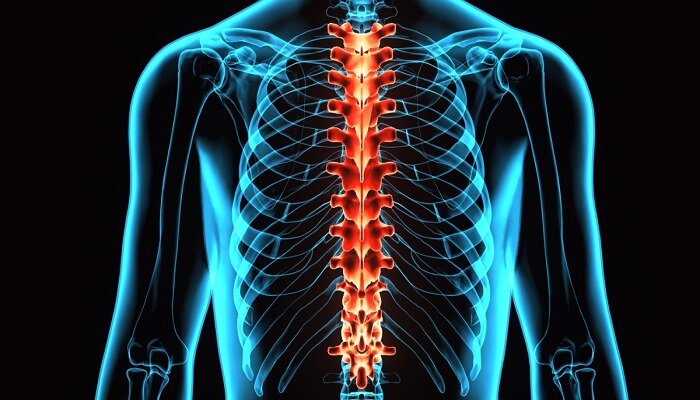
A small clinical trial has suggested that spinal cord stimulation may help stroke patients regain movement in their limbs and hands. In an article published in Nature Medicine, researchers detailed the experience of the first two people treated in a clinical trial involving a spinal implant. The implant improved the patients’ strength, grip force, and movement, thereby enabling them to perform previously impossible actions.

Clinical proof that spinal cord stimulation- SCS can aid in the rehabilitation of leg motor function in individuals with spinal cord injuries has previously been produced by other organizations. Nevertheless, since strokes occur in the brain rather than the spine, there was some uncertainty as to whether the intervention would be effective for patients dealing with the consequences of the cerebrovascular event. The clinical trial is the first step in the process of addressing those scepticisms.

In order to boost the excitement of motoneurons in the arm and hand, researchers inserted two leads in the necks of the patients. According to a professor of mechanical engineering at Carnegie Mellon University and a co-senior author, Douglas Weber, this strategy is based on the understanding of sensory nerves in the arm and hand that communicate with motor neurons in the spinal cord, which in turn control muscles.

According to Weber in a statement, these sensory neurons can be stimulated to increase the activity of muscles that have been damaged by a stroke. The patient still has complete control over their emotions, which is important. The stimulation is supportive and only strengthens muscle activation when patients are attempting to move.

The two subjects’ grip strength dramatically increased after getting the implant. The older, more severely impaired patients saw the biggest change, with an increase of 108%. This had real-world benefits, allowing the patient to do things independently that they hadn’t been able to do in years, like open a lock or eat with a knife and fork.

According to the procedure, the leads have to be taken out after 29 days. The subjects maintained some benefits even after the implants were removed, according to later evaluations. No serious adverse events were reported.

The study does not have a control arm, so there is potential to question the impact of the implant. However, the team is encouraged enough by the early data to continue, and the researchers are still enrolling patients in the trial.


Latest stories

Related stories

Smarter Trial Design Improves Drug Development Speed

Optimization of clinical trial protocols through innovative designs and strategic endpoint selection directly accelerates drug development speed and improves operational reliability.

Data Driven Decisions Improve Drug Development Outcomes

Integrating comprehensive analytics and real-world data into clinical planning allows pharmaceutical companies to optimize trial design and significantly improve patient outcomes.

Efficient Early Strategies Enable Faster Clinical Progress

Implementing optimized early-stage frameworks and enhancing trial readiness allows pharmaceutical sponsors to accelerate clinical timelines and maintain high R&D efficiency.

Early Insights Reduce Risk in Drug Development Programs

Leveraging early-stage data and translational research allows pharmaceutical companies to mitigate drug development risk and implement adaptive strategies for higher success.

Subscribe

- Never miss a story with notifications

- Gain full access to our premium content

- Browse free from any location or device.

Media Packs

Expand Your Reach With Our Customized Solutions Empowering Your Campaigns To Maximize Your Reach & Drive Real Results!

– Access theMedia Pack Now

– Book a Conference Call

Leave Message for Us to Get Back

Translate »