






The worldwide demand for biodegradable pharmaceutical packaging is set for significant growth. As per the forecast the market size will rise dramatically from USD 83.46 billion in 2023 to almost USD 335.82 billion by 2032. This surge, with a projected compound annual growth rate (CAGR) of 16.73% from 2024 to 2032, underscores a shift towards sustainable packaging solutions in the pharmaceutical sector. Increasing environmental awareness, strict regulations on plastic waste, and a push for eco-friendly alternatives are key factors driving this market. Biodegradable packaging not only mitigates environmental impact but also satisfies the pharmaceutical industry’s need for safe and reliable packaging. Consequently, manufacturers and stakeholders are investing more in biodegradable materials, leading to a global transformation in packaging practices.
Major companies in this market include Gerresheimer (Germany), DS Smith (UK), Amcor (Australia), Berry Plastics Corporation (US), Rengo (Japan), Smurfit Kappa (Ireland), Bemis Company (US), Huhtamaki (Finland), NatureWorks (US), and BASF (Germany).
The worldwide biodegradable pharmaceutical packaging market goes on to underscore a major move towards sustainability within the pharmaceutical industry. Regulatory pressures, technological innovations, and rising consumer demand are driving this evolution, positioning biodegradable packaging solutions as crucial in reducing the environmental impact of pharmaceutical products. By adopting sustainable packaging, the pharmaceutical industry can support a greener future while maintaining product safety and quality.
The pharmaceutical sector happens to be increasingly focusing on sustainability as well as environmental responsibility. This shift has accelerated the development and use of biodegradable pharmaceutical packaging, aiming to lessen the environmental footprint of pharmaceutical products.
Biodegradable Pharmaceutical Packaging: All You Need to Know
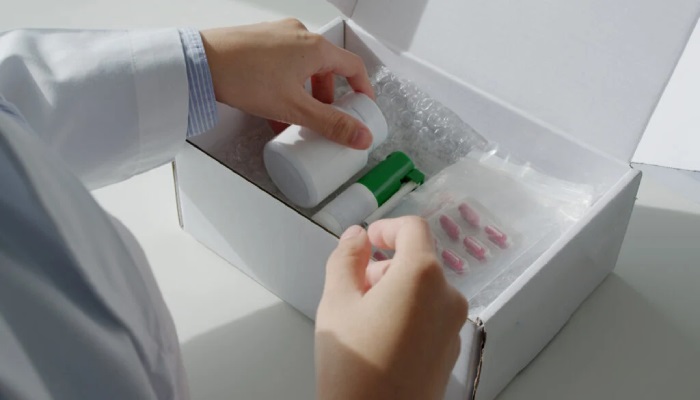
Biodegradable pharmaceutical packaging comprises materials that decompose naturally, reducing environmental impact. These materials happen to break down into natural elements sans the harmful residues, offering an eco-friendly alternative to traditional plastics. Key types include blister packaging, bottles and jars, bags and pouches, vials and ampoules, and syringes. Materials range from biodegradable plastics and paper to starch-based and other sustainable options.
Market Dynamics and Trends
- Increasing Environmental Awareness and Regulatory Support
Growing awareness of environmental issues alongside the impact of plastic waste has spurred demand for sustainable packaging in the pharmaceutical industry. Regulatory bodies globally are introducing guidelines and incentives to promote biodegradable materials, encouraging eco-friendly packaging adoption. - Technological Advancements in Biodegradable Materials
Innovations in material science have created advanced biodegradable materials meeting stringent pharmaceutical packaging requirements. These materials offer durability, barrier properties, and safety comparable to traditional plastics, making them suitable for various pharmaceutical uses. - Rising Demand for Sustainable Healthcare Solutions
Consumers and healthcare providers are increasingly prioritizing sustainability in purchasing decisions. This trend boosts demand for biodegradable pharmaceutical packaging, aligning with broader efforts to cut down the environmental impact of healthcare products.
Regional Insights and Market Segmentation
The market is separated by packaging type, materials, applications, and geographic regions.
Packaging Types:
- Blister Packaging: For solid dosage forms like tablets and capsules.
- Jars & Bottles: Apt for both solid as well as liquid dosage forms.
- Bags and Pouches: Often used for liquid and injectable dosage forms.
- Vials and Ampoules: Primarily for injectable medications.
- Syringes: For administering injectable drugs.
- Others: Various specialized packaging solutions.
Materials Used:
- Biodegradable Plastics: Right from renewable sources like corn starch.
- Paper and Paperboard: Sustainable options needing less barrier protection.
- Starch-Based Materials: Increasingly used in various packaging applications.
- Others: Innovative materials like biopolymers and cellulose-based options.
Applications:
- Solid Dosage Forms: Tablets, capsules, and more.
- Liquid Dosage Forms: Syrups, solutions, and other liquids.
- Injectable Dosage Forms: Vaccines, biologics, and injectables.
- Others: Transdermal patches, topical formulations, etc.
Regional Insights:
- North America and Europe: Leading due to stringent regulations, advanced healthcare, and high consumer awareness.
- Asia Pacific: Expected to grow significantly due to rapid industrialization, healthcare investments, and environmental awareness.
- Latin America and Middle East & Africa: Growing markets with high potential as awareness and regulations evolve.
Future and Growth
It is well to be noted that from 2023 to 2032, worldwide biodegradable pharma packaging market is all set for a solid growth. This is driven by regulatory support, technological advancements, and increasing demand for sustainable healthcare solutions. Key growth factors include high-performance biodegradable materials, expanding pharmaceutical applications, and growing consumer preference for eco-friendly products.
Pharmaceutical companies and packaging manufacturers are investing in R&D, expanding production, and forming strategic partnerships to capitalize on emerging opportunities. By adopting innovative biodegradable packaging solutions, stakeholders can enhance sustainability, meet regulatory requirements, and cater to evolving consumer and healthcare provider preferences.