












Gene and cell therapies have the potential to revolutionize healthcare by reprogramming the immune system to treat diseases that are difficult to address with traditional medicine. These therapies involve introducing, replacing, or deactivating genes in cells, either inside or outside the body. For instance, Novartis’ Zolgensma® uses a virus-based gene therapy to deliver a functional copy of the SMN gene.
Cell therapies, on the other hand, aim to restore or modify cells to treat diseases. Examples include stem cells derived from various sources, as well as cancer vaccines and immunotherapies. Gene-modified cell therapies refer to cells that have been genetically altered to enhance their therapeutic potential.
Although there are currently few approved treatments in this field, recent studies have shown the tremendous potential of these therapies, collectively known as advanced therapy medicinal products (ATMPs). In 2022, the FDA approved five ATMPs, and GlobalData predicts that over 100 more will gain approval in the next six years.
One promising gene-modified cell therapy involves using T cells to target and kill cancer cells. This therapy involves extracting T cells, modifying them to recognize specific cancer antigens, and reintroducing them into the patient’s body. CAR-T therapy, in particular, has transformed the treatment of hematologic malignancies.
Cell and gene therapies are also being explored for solid tumors. Iovance Biotherapeutics’ Lifileucel and Adaptimmune’s Afami-cel are expected to be the first cell therapies approved for solid tumors in 2023-2024. The market value of cell and gene therapies is projected to reach $7 billion by the end of 2023, with the potential to generate $67 billion by 2029. However, the delivery technology for these therapies is critical. Currently, viral vectors are the primary delivery platform, but they have limitations such as cargo capacity and lengthy production times.
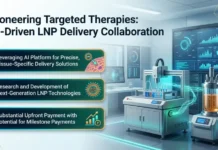
As an alternative, lipid nanoparticles (LNPs) have shown promise as non-viral vectors. LNPs protect genetic material, have been successfully used in RNAi drugs and COVID-19 mRNA vaccines, and have demonstrated efficacy in CRISPR-based therapies.
LNPs offer advantages such as lower immunogenicity risk and improved cell viability compared to other delivery methods like electroporation. While viral vectors will still play a crucial role, the combination of LNPs and viral vectors is gaining popularity in gene and cell therapy development. The field of gene and cell therapies is rapidly evolving, with ongoing research and advancements paving the way for transformative medicine.