













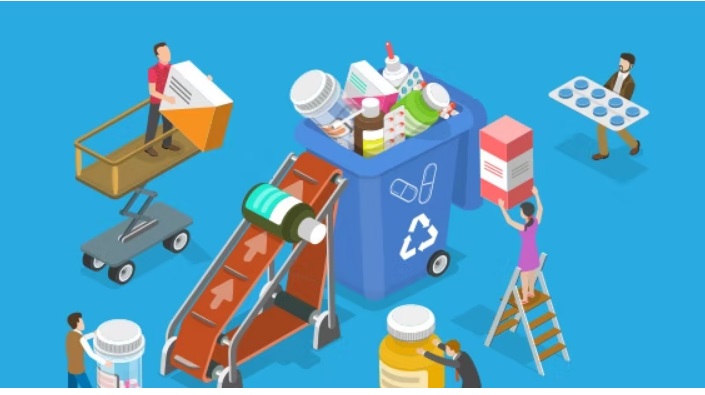
The topic of sustainability in healthcare and medical device packaging involves numerous factors, such as the necessity for sterilized items, specialized waste management, and strict regulations. However, within this intricate landscape, several efforts are being undertaken to enhance the circularity of healthcare plastics. These initiatives encompass packaging design, material reevaluation, inventive recovery methods, and emerging recycling technologies.
Healthcare settings heavily rely on thermoforms for diverse purposes, from safeguarding medical devices to preserving pharmaceutical products. One significant polymer in healthcare packaging is Polyethylene Terephthalate Glycol (PETG), which plays a critical role in safeguarding sensitive sterile medical equipment. Despite its importance, the recycling of PETG and similar packaging materials, such as clear PET used in rigid sterile barrier thermoformed trays, is hindered due to inadequate infrastructure in many hospitals and healthcare service providers (HSPs). Surprisingly, a significant portion of healthcare plastic packaging, although technically recyclable, is incinerated or sent to landfills. Only a small portion of this packaging waste is genuinely hazardous, constituting around 15% of the total.
Addressing the urgency for improved sustainability in healthcare plastics, multiple factors are driving action. Group purchasing organizations (GPOs) wield significant buying power and their environmentally preferred procurement initiatives underscore sustainability in purchasing decisions. NGOs like Practice Greenhealth provide guidance and resources to encourage sustainability initiatives. Healthcare facilities are committing to reduced and zero waste goals, influencing packaging design and disposal considerations. Furthermore, legislative policies, regulations, investor interests, and evolving consumer demands are propelling change.
Collaboration among stakeholders throughout the healthcare value chain is essential to enhance circularity. The Healthcare Plastics Recycling Council (HPRC) is a technical consortium operating in the US and Europe, dedicated to boosting plastic recycling in clinical settings. They have developed tools like the Hospicycle toolkit and the Design Guidance for Healthcare Plastics Recycling resource, which optimize package design for recycling. Successfully recycled healthcare plastics depend on source collection, volume aggregation, sortation logistics, and contamination control. Closed-loop recycling or “take back” programs offer circular solutions for specific cases.
Advancements in recycling technology are rapidly unfolding. Advanced recycling methods can facilitate a more circular future for healthcare plastics by tackling hard-to-recycle materials. Techniques like purification, depolymerization, and conversion break down polymers to a molecular level, producing high-quality materials for new products. Mass balance systems ensure recycled content is tracked through manufacturing, although individual recycled molecules can’t be traced. Incorporating a mass balance approach allows seamless integration of sustainable raw materials derived from advanced recycling into existing processes, aided by certifications like ISCC PLUS.
Incorporating a more sustainable approach to packaging doesn’t mean compromising quality or efficiency. Medical device manufacturers can redesign packaging for sustainability without sacrificing these aspects. Techniques like down-gauging and right-sizing can reduce weight and material usage, improving transportation and downstream efficiencies. For instance, Merit Medical Systems reworked its packaging using foamed PETG material called Eastalite co-polyester. This redesign exceeded goals in terms of function, economics, and environment. It resulted in improved protection, increased reusability, and substantial cost savings.
As the healthcare sector places greater emphasis on sustainability, medical device manufacturers are compelled to adapt. The evolution of plastic packaging is critical, and advancements are fostering innovative solutions. These developments are creating opportunities to enhance performance, cut costs, and prioritize sustainability, all while ensuring patient safety. Through collaboration, investments, and shared objectives, the healthcare packaging industry is actively transitioning toward a circular economy, securing a sustainable future for generations to come.