










Close
CDMO Safety Testing 2026
Novotech

5 Trends In Pharma Packaging That Will Continue After 2025

Note* - All images used are for editorial and illustrative purposes only and may not originate from the original news provider or associated company.

Subscribe

- Never miss a story with notifications

- Gain full access to our premium content

- Browse free from any location or device.

Media Packs

Expand Your Reach With Our Customized Solutions Empowering Your Campaigns To Maximize Your Reach & Drive Real Results!

โ€“ Access the Media Pack Now

โ€“ Book a Conference Call

โ€“ Leave Message for Us to Get Back

Related stories

Real Time Visibility Enhancing Pharma Transport Efficiency

Achieving optimal efficiency in pharmaceutical transport requires an uncompromising focus on transparency. Real-time visibility provides the necessary tools for connected tracking and thermal monitoring, ensuring that drug distribution systems remain secure and effective. By providing continuous oversight of the supply chain, these technologies allow for immediate intervention and data-driven optimization, protecting the integrity of life-saving medications throughout their entire journey.

AI-Driven Cold Chains Transforming Pharma Supply Systems

The integration of artificial intelligence into cold chain management is reshaping the pharmaceutical supply landscape. AI-driven cold chains utilize predictive visibility and intelligent thermal control to optimize logistics operations across global networks. By anticipating risks and automating complex decisions, these systems ensure the integrity of temperature-sensitive medications, significantly enhancing the reliability and efficiency of pharmaceutical distribution on a global scale.

Cold Chain Intelligence Enhancing Pharma Logistics Safety

Global pharmaceutical logistics faces unprecedented challenges in maintaining product integrity during transit. Cold chain intelligence offers a sophisticated solution by integrating predictive monitoring and thermal assurance into a connected supply chain. This approach ensures that life-saving medications and vaccines reach their destination without compromising safety or efficacy, marking a significant evolution in healthcare distribution.
- Advertisement -

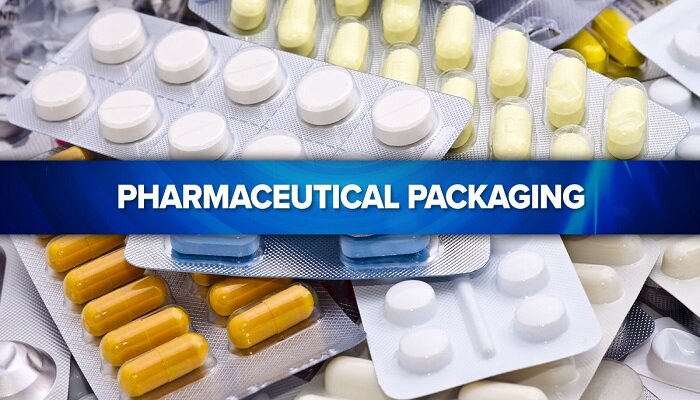
Because of new ideas, concerns about safety for consumers, and government rules, the pharmaceutical business is about to enter a new era in packing. As we get closer to 2025 and beyond, a number of important trends will change the way medicines are packed in ways that will make them safer, help patients take them as prescribed, and last longer. These changes are in response to problems in the business and are positive steps toward better, more effective medication solutions.

Here are five new trends in pharmaceutical packaging that will continue after 2025.

1. Technologies for smart packaging

Smart packing is becoming more popular, which is one of the most important trends. These are meant to get patients more involved in their treatment and help them stick to their drug schedules, which are both very important for how well the treatment works. Smart blisters and bottles with built-in sensors can now keep track of doses and send messages to your phone through apps. These packing options can also send information about obedience back to healthcare workers, which lets them make changes to treatment plans in real time. As technology improves, it will become more common for packages to include Near Field Communication and the Internet of Things. This will open up new ways to connect with patients and collect useful data.

2. Environmentally Friendly Packaging for Medicines

Sustainability is still a big deal in every industry, and medicine packaging is no different. Environmentally friendly options are becoming more popular because people want them and because of government rules. More and more products are made from biodegradable and reusable materials, and businesses are choosing packages made from plant-based plastics and recovered materials. There is also a push to cut down on the total amount of packaging by reducing the number of layers and improving the design to use less material without affecting the safety or purity of the product.

3. Better safety features

More safety features in packing are needed than ever because medicines are getting more complicated and we need to make sure the products are always safe. Child-proof and tamper-evident packaging is no longer just a legal requirement; it’s becoming the standard. To stop fraud, which is a big problem in the pharmaceutical business, new technologies like hologram pictures and color-shifting inks are being used. These features make it easier to make sure that goods are real and that people get safe, effective medicines.

4. Traceability and serialization

Serialization rules are getting stricter around the world, which makes it more important to be able to track products throughout the supply chain. Unique labels that meet global standards, like the Drug Supply Chain Security Act in the US, are now often put on packaging. Not only do these labels help find and track goods, they also make recalls easier to handle and fight illegal trade.

5. Personalization of Packaging

As the use of individualized medicine grows, drug packaging is changing to keep up. There is more focus on packages made for specific groups of people, like older people who need bigger writing and easier-to-open methods. 3D printing is also being used more and more to make custom doses. This lets people customize their medicine in terms of dose, size, and delivery rate, but it needs new ways to package these custom goods.

These interesting trends will shape the future of pharmaceutical packaging. They are all driven by the main goals of making patients safer, getting people to follow the rules better, and having less of an effect on the environment. As these trends spread, they will likely completely change the way medicines are packaged, making it safer, more efficient, and better for the environment. This will help both customers and makers. As we look ahead to 2025 and beyond, it is clear that the pharmaceutical packaging industry will continue to come up with new ideas and use new technologies and strategies to keep up with changing market needs and government rules.

Never miss a pharmaceutical headline

The pharmaceutical industry moves fast โ€“ stay on top of it with our must - read briefings.

  • The top pharma and life sciences stories, straight to your inbox
  • The biggest news, features, interviews, and analysis
  • Dedicated coverage of the key developments driving the global pharmaceutical sector

Latest stories

Related stories

Real Time Visibility Enhancing Pharma Transport Efficiency

Achieving optimal efficiency in pharmaceutical transport requires an uncompromising focus on transparency. Real-time visibility provides the necessary tools for connected tracking and thermal monitoring, ensuring that drug distribution systems remain secure and effective. By providing continuous oversight of the supply chain, these technologies allow for immediate intervention and data-driven optimization, protecting the integrity of life-saving medications throughout their entire journey.

AI-Driven Cold Chains Transforming Pharma Supply Systems

The integration of artificial intelligence into cold chain management is reshaping the pharmaceutical supply landscape. AI-driven cold chains utilize predictive visibility and intelligent thermal control to optimize logistics operations across global networks. By anticipating risks and automating complex decisions, these systems ensure the integrity of temperature-sensitive medications, significantly enhancing the reliability and efficiency of pharmaceutical distribution on a global scale.

Cold Chain Intelligence Enhancing Pharma Logistics Safety

Global pharmaceutical logistics faces unprecedented challenges in maintaining product integrity during transit. Cold chain intelligence offers a sophisticated solution by integrating predictive monitoring and thermal assurance into a connected supply chain. This approach ensures that life-saving medications and vaccines reach their destination without compromising safety or efficacy, marking a significant evolution in healthcare distribution.

Digital Supply Networks Strengthening Pharma Delivery

The transition from traditional linear supply chains to integrated digital supply networks is revolutionizing how pharmaceutical products are delivered. By leveraging connected visibility and real-time analytics, these networks enhance the resilience of cold chain operations. This technological evolution ensures that healthcare systems can respond dynamically to shifts in demand while maintaining the highest standards of safety and efficiency for patient care.

Subscribe

- Never miss a story with notifications

- Gain full access to our premium content

- Browse free from any location or device.

Media Packs

Expand Your Reach With Our Customized Solutions Empowering Your Campaigns To Maximize Your Reach & Drive Real Results!

โ€“ Access theMedia Pack Now

โ€“ Book a Conference Call

โ€“ Leave Message for Us to Get Back

Translate ยป