











Close
Novotech
Jabsco PureFlo 21 Single Use

AstraZeneca sets ambition to deliver $80 billion Total Revenue by 2030 and sustained growth post 2030

Note* - All images used are for editorial and illustrative purposes only and may not originate from the original news provider or associated company.

Subscribe

- Never miss a story with notifications

- Gain full access to our premium content

- Browse free from any location or device.

Media Packs

Expand Your Reach With Our Customized Solutions Empowering Your Campaigns To Maximize Your Reach & Drive Real Results!

– Access the Media Pack Now

– Book a Conference Call

Leave Message for Us to Get Back

Related stories

Designing Biotech Financial Models for Series B Success

Building a compelling Series B case in biopharma goes well beyond efficacy data and market size projections. Sophisticated investors are increasingly focused on CMC risk, licensing obligations, and the defensibility of your manufacturing timeline. This article breaks down what the financial model behind a strong Series B actually looks like and what quietly kills deals that should have worked.

CMC Bottleneck in Drug Development and IND Delays

Ask any experienced biopharma program manager what derails an IND filing most often, and the answer is rarely surprising: it is CMC. Not insufficient efficacy data, not toxicology surprises CMC. This article examines why Chemistry, Manufacturing, and Controls continues to be the most underestimated risk in early drug development, and what program leaders can do about it.

The Hidden Cost of Licensing in Biologic Drug Development

Royalties, milestone payments, and license fees are often treated as the cost of doing business in biopharma. But for early-stage biotech companies building toward an IND, these obligations can quietly reshape financial models, complicate investor conversations, and create downstream deal terms that are difficult to unwind. Here is what founders need to know.
- Advertisement -

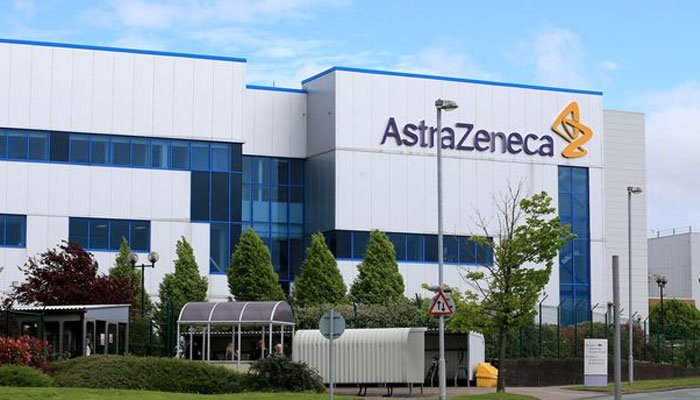
AstraZeneca revealed its bold ambition to deliver $80 billion in Total Revenue by 2030, up from $45.8 billion in 2023. This will be achieved through significant growth in its existing oncology, biopharmaceuticals and rare disease portfolio, and by launching an expected 20 new medicines before the end of the decade. To drive sustained growth beyond 2030, the Company will continue investing in transformative new technologies and platforms that will shape the future of medicine.

AstraZeneca will maintain its strategic commitment to R&D while focusing on productivity throughout the Company, driving operating leverage and enabling the delivery of its ambition for a mid-30s percentage Core operating margin by 2026. Beyond 2026, Core operating margin will be influenced by portfolio evolution and the company will target at least the mid-30s percentage range.

Pascal Soriot, Chief Executive Officer, AstraZeneca said: “Today AstraZeneca announces a new era of growth. In 2023 we delivered the ambitious $45 billion revenue goal set a decade ago. With the exciting growth of our innovative pipeline, which has the potential to transform millions of lives, we are now aiming for $80 billion by 2030.

We are planning to launch 20 new medicines by 2030, many with the potential to generate more than $5 billion in peak year revenues. The breadth of our portfolio together with continued investment in innovation supports sustained growth well past the end of the decade.”

As AstraZeneca continues to grow across all therapy areas, it will continue to decouple its carbon emissions from its increase in revenue. The Company has already reduced its greenhouse gas emissions (Scopes 1 and 2) by 68% from its 2015 baseline while growing Total Revenue by 85% over the same period. By 2026 the Company will be carbon zero for Scope 1 and 2 emissions and by 2030 halve its Scope 3 emissions, on the way to science-based net zero by 2045 at the latest.


Latest stories

Related stories

Designing Biotech Financial Models for Series B Success

Building a compelling Series B case in biopharma goes well beyond efficacy data and market size projections. Sophisticated investors are increasingly focused on CMC risk, licensing obligations, and the defensibility of your manufacturing timeline. This article breaks down what the financial model behind a strong Series B actually looks like and what quietly kills deals that should have worked.

CMC Bottleneck in Drug Development and IND Delays

Ask any experienced biopharma program manager what derails an IND filing most often, and the answer is rarely surprising: it is CMC. Not insufficient efficacy data, not toxicology surprises CMC. This article examines why Chemistry, Manufacturing, and Controls continues to be the most underestimated risk in early drug development, and what program leaders can do about it.

The Hidden Cost of Licensing in Biologic Drug Development

Royalties, milestone payments, and license fees are often treated as the cost of doing business in biopharma. But for early-stage biotech companies building toward an IND, these obligations can quietly reshape financial models, complicate investor conversations, and create downstream deal terms that are difficult to unwind. Here is what founders need to know.

Early Phase Decisions Drive Faster Drug Development

Strategic early-stage planning and rigorous regulatory readiness serve as the foundation for accelerating pharmaceutical timelines and optimizing long-term R&D efficiency.

Subscribe

- Never miss a story with notifications

- Gain full access to our premium content

- Browse free from any location or device.

Media Packs

Expand Your Reach With Our Customized Solutions Empowering Your Campaigns To Maximize Your Reach & Drive Real Results!

– Access theMedia Pack Now

– Book a Conference Call

Leave Message for Us to Get Back

Translate »