











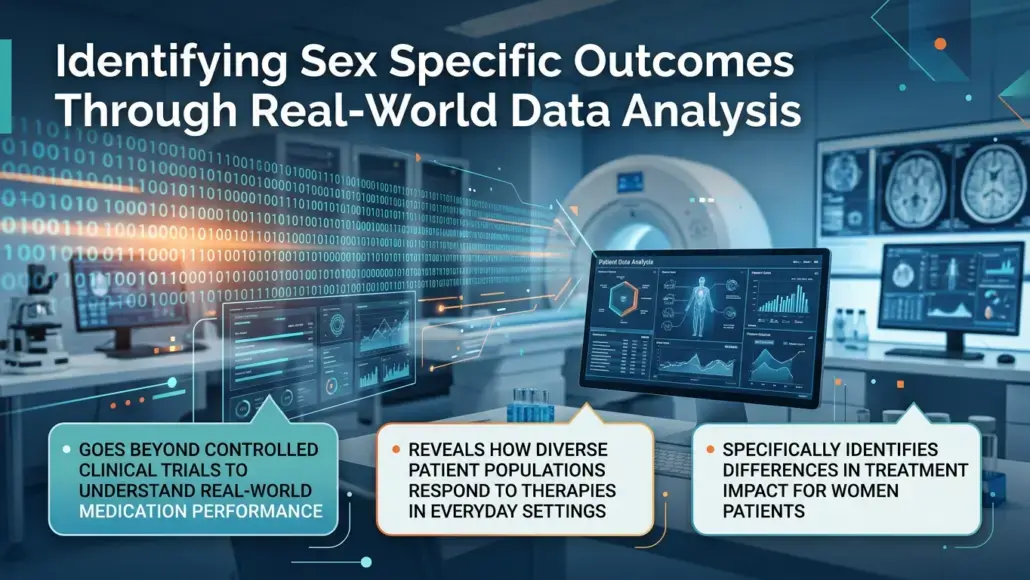
The pharmaceutical sector is increasingly turning to large-scale datasets to understand how medications perform beyond the controlled environment of clinical trials. While traditional research provides a foundation for drug approval, the actual impact of a therapy can only be fully understood through real-world data analysis. This analytical approach allows researchers to observe how diverse patient populations, particularly women, respond to treatments in everyday settings. By identifying sex-specific treatment outcomes, pharmaceutical companies can refine their understanding of drug efficacy and safety, leading to more personalized and effective healthcare. This transition toward evidence-based observation is essential for addressing the nuances of female biology and improving long-term health results.
Data from electronic health records, insurance claims, and patient registries provide a wealth of information that was previously inaccessible. By applying sophisticated algorithms to this information, scientists can detect patterns in how women metabolize drugs and experience side effects. The use of observational data analytics is particularly valuable for identifying rare adverse events that may not surface in smaller clinical cohorts. This proactive monitoring ensures that potential safety signals are caught early, allowing for adjustments in dosing or labeling that protect patient health. The commitment to using these data-driven insights reflects a broader trend toward precision medicine and a more responsive healthcare ecosystem.
Integrating these findings into the drug development cycle enhances the overall quality of clinical evidence. By comparing real-world outcomes with trial results, researchers can identify gaps in knowledge and design more effective studies. The focus on sex-specific data is a critical part of this process, ensuring that the unique needs of women are prioritized at every stage. As technology continues to evolve, the ability to perform complex observational studies will reach new heights, providing the foundation for the next generation of therapeutic innovation. This progress is essential for creating a healthcare system that is both efficient and equitable.
Granular Insights Into Long Term Drug Performance
Understanding the long-term performance of a drug requires a level of detail that only real-world observation can provide. Clinical trials are often limited in duration and scope, meaning that the full impact of a therapy may not be apparent for years. However, through ongoing longitudinal studies, pharmaceutical firms can track patient outcomes over extended periods. This longitudinal perspective is vital for managing chronic conditions where the cumulative effects of a medication are a primary concern. By focusing on how women’s health evolves while using a particular therapy, researchers can identify trends that inform better clinical practice. These longitudinal assessments typically track:
- Patient-reported quality of life metrics across multiple years to detect subtle declines in functional health.
- Drug-drug interaction patterns in complex female patients managing multiple comorbid conditions simultaneously.
- Long-term cardiovascular risk profiles in women who have undergone extended courses of hormonal or biologic therapy.
- Adherence rates and economic barriers that influence the real-world success of pharmaceutical interventions.
Molecular Insights and Regulatory Strategic Alignment

Aligning data strategies with the expectations of regulatory bodies is essential for maintaining market access. Regulators are increasingly asking for real-world evidence to supplement the findings of clinical trials, particularly when it comes to sex-specific data. The use of real-world data analysis is a key part of meeting these demands, providing the objective evidence needed to support drug safety and efficacy claims. By integrating these findings into regulatory submissions, companies can build a more convincing case for their products and reduce the risk of delays. This alignment ensures that life-saving treatments reach those in need as quickly as possible. This approach is strengthened by ensuring adequate female cohort representation in the initial datasets.
The integrity of clinical evidence is also bolstered when researchers move beyond a singular data source. By validating trial results with real-world observations, the industry can ensure that its findings are both reliable and generalizable. This process is particularly important for groups that have historically seen less clinical representation in research. When real-world data confirms that a drug is safe and effective for women in the community, it builds greater trust among healthcare providers and patients. This trust is essential for the successful adoption of new therapies and the overall health of the population.
Collaboration between different stakeholders in the healthcare ecosystem is vital for the standardization of data collection and analysis. By sharing data and best practices, researchers can ensure that the real-world evidence they generate is of the highest quality. This collective effort ensures that the entire sector moves forward together, raising the bar for what constitutes high-quality observational research. The commitment to sharing data and fostering an open research environment is essential for overcoming the challenges associated with complex patient data. As our understanding of real-world data analysis deepens, the potential for improving patient outcomes grows exponentially.
Future Horizons in Data Driven Healthcare
The future of pharmaceutical innovation will be defined by an even greater integration of data-driven insights. As artificial intelligence and machine learning become more sophisticated, the ability to analyze real-world datasets will reach unprecedented levels of accuracy. The ongoing development of these specialized analytical methods will allow for the creation of therapies that are not just marginally effective but truly optimized for individual patients. This future relies on the continued expansion of data sources, including wearable technology and digital health tools, to provide a continuous stream of health information. By monitoring these data points, we can move from reactive treatment to proactive health management.
In addition to improving drug safety, the study of these outcomes is opening new avenues for preventive medicine. By identifying the early signs of disease through real-world data patterns, we can intervene before a condition becomes chronic. This proactive strategy represents a major shift in how we think about human health. The industry’s commitment to this area of research is a reflection of its dedication to improving the lives of patients through scientific excellence. The progress made today will have a lasting impact on the lives of millions, ensuring that the next generation of healthcare is safer, more effective, and more inclusive.
Ultimately, the focus on sex-specific research is about delivering better care to every patient. When the industry prioritizes the unique needs of women and uses data to back up its findings, it creates a more responsive and effective healthcare system. The transition toward using specialized data models is a testament to the power of scientific inquiry and its ability to drive meaningful change. The commitment to excellence in research and development ensures that the pharmaceutical industry remains at the forefront of global health, providing the innovative solutions needed to tackle the challenges of the 21st century.
Strategic Frameworks for Enhanced Patient Safety
Developing a strategic framework for enhanced patient safety involves more than just collecting data. It requires a holistic approach that considers the biological, social, and environmental factors that influence health outcomes. The use of real-world data analysis provides the foundation for this framework, allowing for more precise and effective monitoring of drug performance. By combining these insights with proactive risk management and early intervention, we can significantly improve safety for all patients, particularly women. This comprehensive strategy is essential for improving public health outcomes and maintaining the integrity of the pharmaceutical sector.
Education and awareness are also critical components of this strategy. By informing healthcare providers and patients about the importance of real-world evidence, we can ensure that these tools are used to their full potential. The industry has a role to play in advocating for better data practices and more inclusive research policies. This commitment to social responsibility, paired with scientific excellence, is creating a brighter future for women’s health globally. Every new discovery made through the analysis of real-world data brings us one step closer to a world where every patient has access to the specialized care they deserve.
The evolution of drug safety monitoring is a success story for evidence-based medicine. By embracing the complexity of real-world patient experiences and investing in sophisticated analytical tools, the industry has made significant strides in improving health outcomes. The progress made today will have a lasting impact on the lives of millions, ensuring that the next generation of therapies is safer, more effective, and more inclusive than ever before. The dedication to scientific rigor and patient-centric design remains the driving force behind this transformation, proving that when we focus on the needs of all patients, the entire healthcare system benefits.