







Close
CDMO Safety Testing 2026
Novotech

Sustainable Pharma Packaging: Future Trends and Challenges

Note* - All images used are for editorial and illustrative purposes only and may not originate from the original news provider or associated company.

Subscribe

- Never miss a story with notifications

- Gain full access to our premium content

- Browse free from any location or device.

Media Packs

Expand Your Reach With Our Customized Solutions Empowering Your Campaigns To Maximize Your Reach & Drive Real Results!

โ€“ Access the Media Pack Now

โ€“ Book a Conference Call

โ€“ Leave Message for Us to Get Back

Related stories

Bristol Myers Squibb Integrates AI to Advance Manufacturing Quality Systems

Bristol Myers Squibb has entered into a strategic agreement...

QIAGEN and NVIDIA Join Forces to Advance AI-Driven Drug Discovery

QIAGEN's Digital Insights bioinformatics division is set to integrate...

Recombinant Proteins Driving Biologics Innovation

The landscape of modern therapeutic development is being fundamentally reshaped by the precision of recombinant proteins driving biologics innovation. These highly engineered molecules serve as the foundational architecture for initial drug discovery, the creation of sophisticated high-throughput assay development, and the eventual transition into large-scale biologics manufacturing. By utilizing advanced protein expression platforms, the pharmaceutical industry can now produce specific, high-purity proteins that effectively mimic complex natural biological functions with extraordinary accuracy, ensuring that new treatments are both safe and potent for global distribution.
- Advertisement -

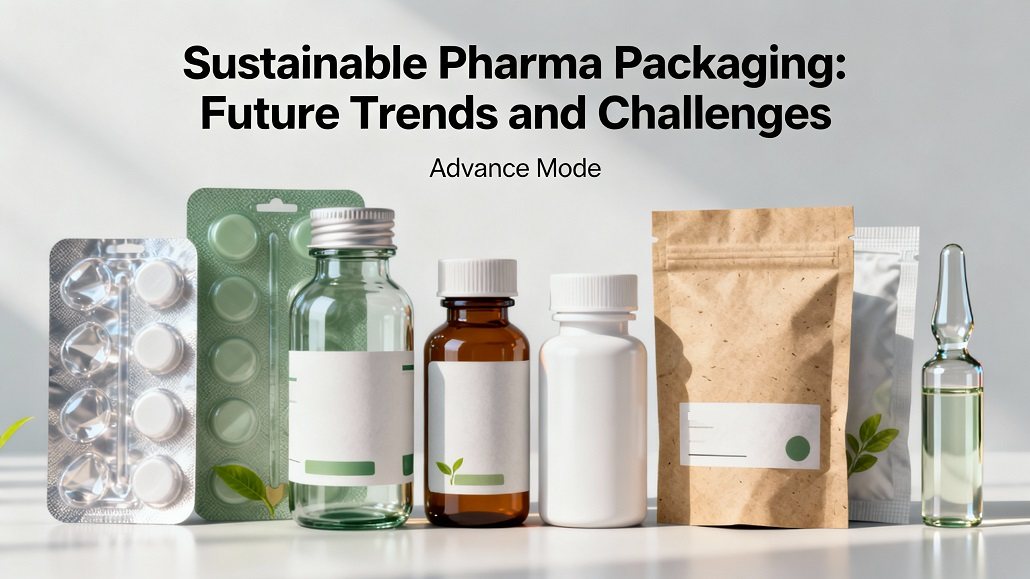
Pharmaceutical packing is still a hidden star when we talk about modern healthcare. Being able to keep the purity of drugs that are important in nature and in other situations is very important. Plastic has been used for this for a long time because it is durable and doesn’t react with chemicals.

People around the world are now seeing plastic in a different way. As people become more concerned about plastic trash, stricter environmental laws are put in place, and public opinion changes, the pharmaceutical industry is under a lot of pressure to find sustainable packaging solutions that fit with its focus on patient health.

Why not be strict if you want to make the future of packaging more environmentally friendly?

PCR use in medicine packaging before it is sold to consumers opens up a lot of opportunities for parties to reach their green goals.

A comprehensive approach to sustainability starts with choosing materials based on how little damage they do to the environment and how easily they can be used again or turned into new goods with as little waste as possible. All of these things need to be thought about right from the start.

The medicine business can help fix the problem of not having enough or any PCR. It also has a say in helping to build a system for future use and making packing from PCR. Pharmaceutical material can often be recycled, but information on where and how to do this is still limited.

It’s important to note that growing knowledge in this area will encourage the proper recycling of medicinal packaging, which will increase the supply of PCR and in turn, encourage the production and use of PCR goods across the board.

Another sign of commitment to sustainability is the fact that stakeholders spend in and take part in recycling programs. This makes consumers feel better about the sector as a whole.

The pharmaceutical industry can really clean up its act by using a circular design process that incorporates sustainability into all stages of the design process. This will reduce material waste and product weight. In turn, this lowers the carbon impact of goods, putting an emphasis on efficiency in production and regularly backing up research and development projects.

As innovation reshapes the packaging landscape, bio-based solutions are gaining prominence and are now seen as the โ€œnew age of packaging.โ€ The market is forecast to grow at a strong 12.5% CAGR, attaining USD 25.86 billion by 2032.

Plant-based materials like polylactic acid (PLA), polyhydroxyalkanoates (PHA), and made recyclable pulp like sugarcane pulp are used to make bio-based packing goods. Overall, though, it’s important to understand that bio-based packing shouldn’t be seen as a magic bullet for the packaging waste problem we’re facing right now.

Even though bio-based packaging comes from natural sources like plants instead of fossil fuels, that doesn’t mean that it will break down or stick together. Biodegradable packaging needs certain conditions in industrial waste plants to break down until it is approved as reusable at home. The point is that you can’t burn them at home.

In fact, the lack of proper handling by consumers of bio-based packaging trash makes it very hard to get to the top.

It is possible for pharmaceutical firms to handle the complexities of sustainable packaging while also meeting patient safety standards if they work together with regulatory bodies. This means that everyone benefits, and PCR can become a change agent that reduces the amount of plastic trash and its negative effects on the earth while also protecting the purity of important drugs.

There is still a long way to go because each answer comes with its own set of problems. However, more and more money is being put into environmental research, which will lead to a better pharmaceutical packaging business in the future.


World Pharma Today brings together the global pharmaceutical industry โ€” from R&D leaders and regulatory affairs professionals to manufacturers and distribution executives โ€” through trusted editorial, market intelligence, and digital engagement.

Our 2026 Media Pack offers integrated solutions to reach your audience:

  • Magazine & Digital Editions Showcase your brand within premium pharmaceutical industry coverage read by executives and decision - makers worldwide.
  • Industry Insights & Reports Align with data - driven analysis, trend reports, and regional roundups across the global pharmaceutical and life sciences value chain.
  • Brand Authority & Credibility Position your company as a thought leader through expert commentary, interviews, and special features.

Latest stories

Related stories

Bristol Myers Squibb Integrates AI to Advance Manufacturing Quality Systems

Bristol Myers Squibb has entered into a strategic agreement...

QIAGEN and NVIDIA Join Forces to Advance AI-Driven Drug Discovery

QIAGEN's Digital Insights bioinformatics division is set to integrate...

Recombinant Proteins Driving Biologics Innovation

The landscape of modern therapeutic development is being fundamentally reshaped by the precision of recombinant proteins driving biologics innovation. These highly engineered molecules serve as the foundational architecture for initial drug discovery, the creation of sophisticated high-throughput assay development, and the eventual transition into large-scale biologics manufacturing. By utilizing advanced protein expression platforms, the pharmaceutical industry can now produce specific, high-purity proteins that effectively mimic complex natural biological functions with extraordinary accuracy, ensuring that new treatments are both safe and potent for global distribution.

Cantex and Headlamp Target MS Depression Using Lumos AI

Cantex Pharmaceuticals and Headlamp Health have entered a collaboration...

Subscribe

- Never miss a story with notifications

- Gain full access to our premium content

- Browse free from any location or device.

Media Packs

Expand Your Reach With Our Customized Solutions Empowering Your Campaigns To Maximize Your Reach & Drive Real Results!

โ€“ Access theMedia Pack Now

โ€“ Book a Conference Call

โ€“ Leave Message for Us to Get Back

Translate ยป