












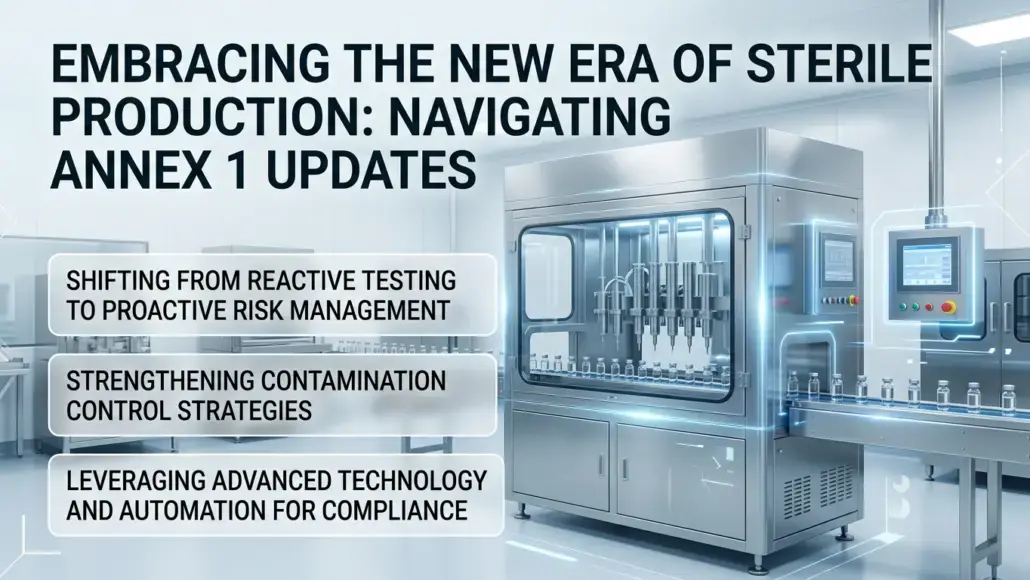
The environment of sterile pharmaceutical manufacturing has undergone a profound transformation with the arrival of the updated EU GMP Annex 1 guidelines. This regulatory shift represents the most significant change in sterile production standards in over a decade, moving the industry toward a more proactive, risk-based approach to quality. The successful implementation process is not merely a box-ticking exercise for compliance but a strategic opportunity to strengthen the fundamental pillars of contamination control. By adopting the principles of the Contamination Control Strategy (CCS), manufacturers can achieve a higher level of process understanding and product security, ultimately ensuring that life-saving medicines reach patients without the risk of microbial or particulate compromise.
Evaluating Compliance Strategies for Annex 1 Implementation
The journey toward full alignment with the new guidelines begins with a comprehensive gap analysis of existing facility operations. This analysis must go beyond surface-level observations to investigate the deep-rooted technical and organizational factors that influence sterility assurance. The regulatory transition requires a holistic view of the entire manufacturing lifecycle, from raw material sourcing and facility design to personnel training and final product distribution. Manufacturers must identify areas where their current practices fall short of the new expectations, particularly regarding the use of barrier technologies and the frequency of environmental monitoring.
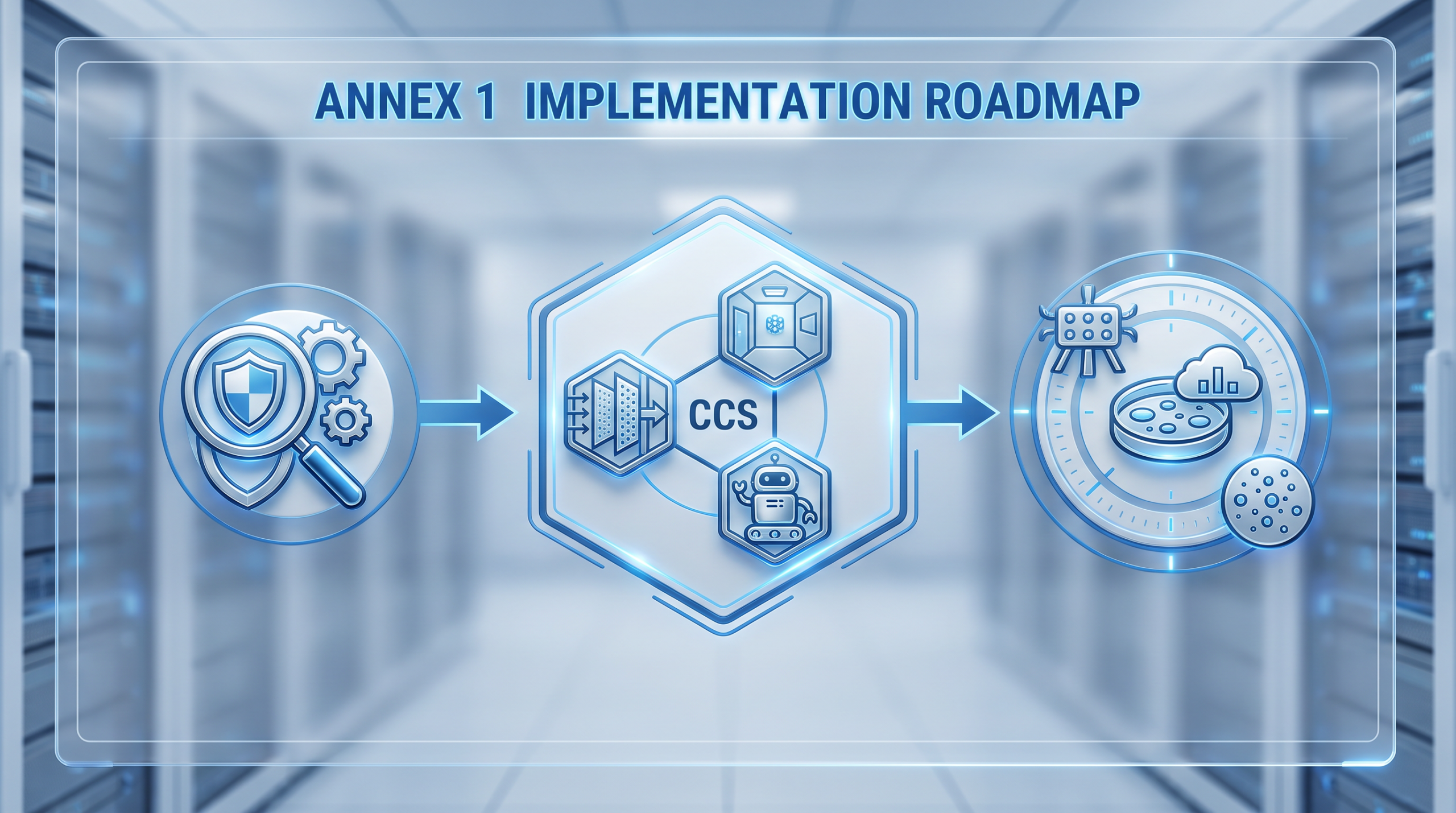
One of the most significant changes introduced by the updated Annex 1 is the explicit requirement for a formal Contamination Control Strategy. This document serves as a central repository for all contamination-related data and decisions, providing a clear rationale for the chosen control measures. During the implementation phase, multi-disciplinary teams must collaborate to define the critical control points and establish the necessary monitoring and mitigation protocols. This collaborative approach ensures that quality is built into the process rather than being tested at the end. The strategy must be a living document, subject to regular review and update as new data becomes available or as process improvements are implemented.
Additionally, the implementation process involves a significant focus on the technological infrastructure of the facility. This includes the assessment of HVAC systems, water-for-injection (WFI) loops, and specialized equipment such as autoclaves and lyophilizers. Each system must be evaluated for its impact on the overall contamination profile of the facility. The move toward more advanced automation and closed processing systems is a key trend in modern compliance, as these technologies reduce the reliance on human intervention and minimize the potential for accidental contamination. The structural evolution of the facility is a permanent commitment to the highest levels of quality.
Strengthening Contamination Control Strategies in Sterile Facilities
A resilient CCS is the cornerstone of a modern sterile manufacturing operation. It provides a structured framework for managing the complex interplay between personnel, equipment, materials, and the environment. The new guidelines emphasize the need for this strategy to be data-driven and grounded in the principles of Quality Risk Management (QRM). By utilizing tools such as Failure Mode and Effects Analysis (FMEA), manufacturers can prioritize their efforts on the areas of greatest risk, ensuring that resources are allocated effectively to protect the sterile field.
The effectiveness of the CCS relies on the continuous collection and analysis of environmental monitoring data. The new guidelines require more frequent and comprehensive monitoring, particularly in Grade A and B zones, to detect any potential drifts in the cleanroom conditions. This data provides the necessary feedback loop for the contamination control strategy, allowing for the rapid identification and investigation of any excursions. The goal is to move from a reactive mode of operation to a predictive one, where potential issues are identified and addressed before they impact product quality. This proactive stance is essential for maintaining a stable and compliant manufacturing environment.
Additionally, the CCS must address the specific challenges associated with the transfer of materials and personnel into the sterile zone. This includes the implementation of physical barriers for sterile area segregation, which ensures that different cleanroom grades are effectively isolated from one another. By optimizing the flow of people and products, manufacturers can minimize the risk of cross-contamination and ensure that the aseptic core remains protected at all times. The synergy between physical segregation and procedural controls is a hallmark of a mature contamination control strategy.
Impact of Regulatory Changes on Quality Management Systems
The new requirements have far-reaching implications for the Pharmaceutical Quality System (PQS). The guidelines call for a more integrated and transparent approach to quality management, where sterility assurance is treated as a top-level priority. This requires a shift in organizational culture, where every employee understands their role in preventing contamination. The quality system must be strong enough to handle the increased volume of data and the more stringent requirements for investigation and root cause analysis. A strong PQS provides the necessary oversight to ensure that the contamination control strategy is being followed consistently across the entire organization.
One of the key changes in the PQS is the emphasis on continuous improvement. The new guidelines encourage manufacturers to adopt new technologies and methodologies that improve sterility assurance, even if their current processes are already compliant. This drive for innovation is supported by the requirement for regular periodic reviews of the CCS and the overall quality performance of the facility. These reviews provide an opportunity to identify emerging trends and implement proactive measures to enhance the resilience of the manufacturing process. The goal is to foster a culture of excellence where quality is continuously being refined and improved.
Additionally, the quality system must account for the increased complexity of the global pharmaceutical supply chain. The updated framework requires a more rigorous assessment of suppliers and service providers, ensuring that all components and materials meet the necessary sterility requirements. This includes the validation of sterilization processes for primary packaging materials and the oversight of contract manufacturing organizations. By building strong relationships with suppliers and maintaining a high level of transparency, manufacturers can ensure that their products are protected from the very beginning of the production process.
Technological Adaptations Required for Modern Sterile Compliance
Meeting the requirements of the new Annex 1 often necessitates significant technological upgrades. The move toward restricted access barrier systems (RABS) and isolators is a prime example of this trend. These technologies provide a much higher level of protection than traditional open cleanrooms, effectively isolating the operator from the critical zone. The annex 1 implementation encourages the use of these barrier systems as a primary means of contamination control, especially for high-risk aseptic filling operations. The design and validation of these systems require a high degree of technical expertise and a thorough understanding of the specific process requirements.
Other technological adaptations include the use of rapid microbiological methods (RMM) for environmental monitoring and product testing. These methods provide much faster results than traditional culture-based techniques, allowing for more timely decision-making and a more rapid response to potential contamination events. The integration of these technologies into the quality control laboratory requires careful validation and a clear understanding of their sensitivity and specificity. As the industry moves toward more real-time monitoring and control, the role of advanced analytics and digital technologies will become increasingly important in ensuring compliance.
Key technological areas for evaluation include:
- The deployment of automated vial and syringe filling systems that minimize human contact.
- The implementation of integrated vaporized hydrogen peroxide (VHP) decontamination systems for barriers and cleanrooms.
- The use of advanced air filtration systems with enhanced monitoring and alarm capabilities.
- The adoption of single-use technologies (SUT) to reduce the risk of cross-contamination and simplify cleaning validation.
- The development of digital twins and simulation models to optimize cleanroom airflow and equipment layout.
- The integration of electronic batch records (EBR) to ensure data integrity and facilitate real-time quality oversight.
These technological investments are essential for future-proofing the manufacturing facility and ensuring long-term compliance with the evolving regulatory environment.
Managing Personnel Training and Aseptic Discipline
Despite the move toward automation, the human element remains a critical factor in sterile manufacturing. The annex 1 implementation places a strong emphasis on the training and qualification of personnel, ensuring that all staff have a deep understanding of aseptic principles and the contamination control strategy. This includes the development of rigorous gowning protocols and the implementation of regular performance assessments for operators working in Grade A and B zones. Personnel must be trained to recognize and report any potential deviations from the established procedures, fostering a culture of accountability and transparency.
Aseptic discipline is not just about following the rules; it is about understanding the “why” behind them. Effective training programs use a variety of methods, including classroom instruction, hands-on practice in mock-up environments, and ongoing coaching on the production floor. By providing a clear rationale for the chosen control measures, manufacturers can improve the commitment of their staff to maintaining the sterile field. The use of video monitoring and feedback systems can also be an effective tool for improving operator behavior and identifying areas for additional training.
Ultimately, the success of the annex 1 implementation depends on the commitment of the entire organization to a shared vision of quality. From senior management to the shop floor, everyone must be aligned on the importance of contamination control and the need for continuous improvement. By investing in personnel training and fostering a culture of excellence, pharmaceutical companies can ensure that their manufacturing operations remain resilient, compliant, and capable of delivering the highest quality products to patients. The human factor is the final and most important link in the chain of sterility assurance.
The anchor text for the interlinking opportunity is sterile area segregation, and the complete sentence is: This includes the implementation of physical barriers for sterile area segregation, which ensures that different cleanroom grades are effectively isolated from one another.