














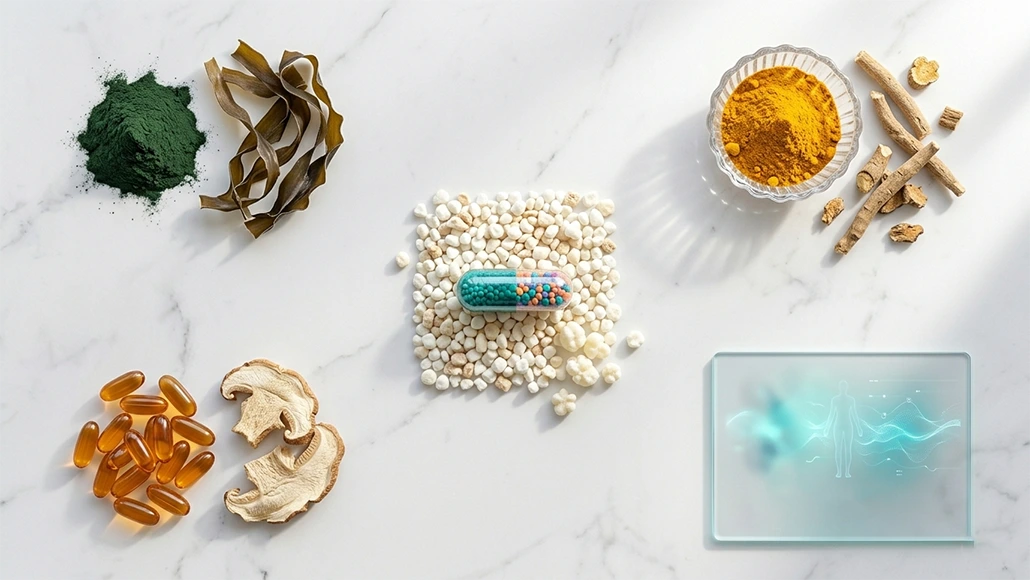
The New Era of Functional Wellness in 2026
As we approach 2026, the nutraceutical industry is no longer just a peripheral segment of the healthcare market; it has become a central pillar of proactive, preventative wellness. Today’s consumers are not just looking for supplements; they are seeking highly specific, scientifically backed functional solutions that integrate seamlessly into their technology-driven lives.
The landscape in 2026 is characterized by a “science-first” mandate. Gone are the days of vague botanical claims. Manufacturers are now required to provide clinical evidence, often utilizing genomic data and real-time biometric tracking to prove efficacy. This evolution is driven by a more informed demographic that prioritizes transparency and sourcing ethics as much as the physical results of the product. From the depths of the oceans to the algorithms of artificial intelligence, the ingredients and delivery systems of 2026 are setting a new benchmark for human optimization.
The nutraceutical industry is set for significant transformation in 2026, driven by scientific advancements and consumer demand for functional health solutions.
Key trends include:
- Marine bioactives: Fucoidan and algae-based compounds gaining traction
- Personalized nutrition: AI-driven supplement recommendations
- Gut health & microbiome: Probiotics, prebiotics, and postbiotics
- Plant-based actives: Adaptogens and botanical extracts
- Cognitive health: Nootropics for focus and mental clarity
Additionally, clean-label products and transparency in sourcing are becoming essential. Consumers are increasingly demanding clinically backed ingredients with proven efficacy.
For manufacturers and suppliers, innovation in formulation, bioavailability, and delivery systems will be critical to staying competitive in this dynamic market.
Clean Label, Transparency and Advanced Delivery Systems
By 2026, “clean label” has evolved from a marketing buzzword to a non-negotiable industry standard. Consumers are scrutinizing every ingredient, demanding the removal of synthetic binders, fillers, and artificial colors. Transparency in sourcing is being facilitated by blockchain technology, allowing consumers to scan a QR code on a bottle and trace the journey of an ingredient from a specific farm or ocean harvest to the final product. This level of “radical transparency” is essential for building trust in an era of heightened misinformation.
Innovation in delivery systems is also a critical competitive advantage in 2026. As consumers demand higher efficacy, the industry is moving toward “next-generation bioavailability.” Liposomal encapsulation, nano-emulsions, and timed-release technologies are being used to ensure that fragile nutrients—like glutathione, Vitamin C, and curcumin—are protected through the digestive tract and delivered directly to the cells that need them most. These advanced delivery formats are making supplements more convenient and effective, reducing the “pill fatigue” often associated with traditional health regimens.
Conclusion: The Future of Functional Health
The nutraceutical landscape of 2026 is a testament to the power of scientific innovation and consumer-centric design. From the sustainable potential of marine bioactives to the precision of AI-driven personalization, every trend points toward a more optimized, evidence-based approach to human health. As manufacturers and suppliers continue to push the boundaries of what is possible, the line between nutrition and medicine continues to blur, offering individuals more control over their wellness than ever before.