









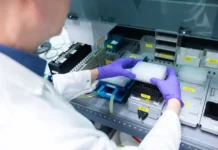



The pharmaceutical industry is currently witnessing a massive transformation in how research and development are conducted, driven primarily by the need for greater efficiency and data transparency. For years, laboratories operated as a collection of specialized but isolated units, each using its own set of tools and data formats. However, the rise of integrated lab software solutions has changed this dynamic, providing a unified platform that connects every aspect of the research process. By focusing on workflow optimization and the reduction of manual intervention, these digital tools are enabling scientists to push the boundaries of what is possible in drug discovery.
The Critical Need for Digital Connectivity in Science
In a traditional laboratory setting, the flow of information is often interrupted by the need to manually transfer data from one system to another. This not only slows down the research process but also introduces a significant risk of error. Integrated lab software solutions address this problem by creating a continuous digital thread that links instruments, researchers, and management. This level of connectivity is essential for managing the sheer volume of data generated by modern high-throughput technologies, ensuring that every data point is captured, stored, and analyzed in its proper context.
Eliminating Information Silos Through Integration
Information silos are the enemy of innovation. When data is trapped within a specific instrument or department, it cannot be leveraged by the rest of the organization. Integrated lab software solutions break down these barriers by providing a centralized repository for all experimental information. This allows researchers from different disciplines such as medicinal chemistry and molecular biology to collaborate more effectively, sharing insights and results in real-time. By providing a holistic view of the research pipeline, these smart lab solutions empower teams to identify cross-functional opportunities that would otherwise remain hidden.
Standardizing Protocols and Data Formats
One of the most significant challenges in pharmaceutical research is the lack of standardization across different laboratory sites and instruments. Integrated lab software solutions provide a framework for standardizing protocols and data formats, ensuring that results are reproducible and comparable regardless of where they were generated. This standardization is vital for global research organizations that need to aggregate data from multiple facilities to make informed decisions. By enforcing a consistent approach to data management, these digital lab tools provide a foundation for reliable and trustworthy science.
Enhancing Research Outcomes with Workflow Optimization
Efficiency in the lab is not just about doing things faster; it is about doing them smarter. Workflow optimization involves a deep analysis of every step in the research process to identify and eliminate waste. Integrated lab software solutions provide the visibility needed to conduct this analysis, tracking everything from reagent usage to instrument downtime. By providing real-time insights into the health of the laboratory operation, these systems allow managers to make data-driven decisions that improve productivity and reduce costs.
Reducing Manual Intervention and Human Error
Human error is an inherent risk in any manual process, but in the world of pharmaceutical research, it can be particularly costly. A single misplaced decimal point or mislabeled sample can invalidate weeks of work. Integrated lab software solutions mitigate this risk by automating the most repetitive and error-prone tasks. From automated data capture to barcode-driven sample tracking, these systems ensure that the human element is focused on high-value scientific analysis rather than routine data entry. This shift not only improves the quality of the data but also increases the job satisfaction of the research staff.
Real-Time Monitoring and Proactive Problem Solving
Modern laboratories are complex environments where many variables must be perfectly controlled. Integrated lab software solutions provide real-time monitoring of both experimental and environmental conditions, allowing researchers to detect and resolve issues before they impact the results. For example, if an incubator temperature begins to drift, the system can send an immediate alert to the technician’s mobile device. This proactive approach to laboratory management is a key component of workflow optimization, ensuring that the research process remains stable and predictable.
The Strategic Value of Smart Lab Solutions
Beyond the immediate operational benefits, the adoption of integrated lab software solutions provides significant strategic value to pharmaceutical companies. In an industry where the cost of bringing a new drug to market can exceed a billion dollars, any tool that can improve the probability of success is highly prized. By providing a more accurate and comprehensive view of the research landscape, these digital platforms allow organizations to prioritize their resources on the most promising candidates, reducing the “failure rate” of the pipeline and maximizing the return on investment.
Accelerating the Path to Regulatory Approval
The path to regulatory approval is paved with data. Regulatory bodies such as the FDA require detailed documentation of every step in the drug development process, from initial discovery to clinical trials. Integrated lab software solutions simplify this process by providing a secure, immutable record of all laboratory activities. This “digital audit trail” ensures that the data is both transparent and defensible, reducing the time and effort required to prepare regulatory submissions. By streamlining the compliance process, these systems help pharmaceutical companies bring life-saving therapies to patients faster.
Empowering the Scientist of the Future
The role of the laboratory scientist is evolving. As routine tasks are increasingly handled by integrated lab software solutions, researchers are being called upon to engage in more strategic and interdisciplinary thinking. The ability to navigate complex digital environments and analyze large datasets is becoming a core competency for the modern scientist. By providing the tools needed to manage this complexity, pharmaceutical companies are not just improving their workflows; they are empowering their most valuable asset their peopleb to reach new heights of scientific discovery.
Conclusion
The integration of software solutions into the laboratory environment is a defining characteristic of the fourth industrial revolution in pharmaceutical research. By embracing integrated lab software solutions, organizations are creating a more connected, efficient, and accurate research engine. The benefits of workflow optimization, reduced error, and enhanced collaboration are clear, providing a robust foundation for the next generation of therapeutic breakthroughs. As the technology continues to evolve, the ability to manage complexity through intelligent digital tools will remain the most critical factor in scientific and commercial success.