









Close
CDMO Safety Testing 2026
Novotech

Daiichi And MSD Broaden DXd ADC Collaboration Worldwide

Note* - All images used are for editorial and illustrative purposes only and may not originate from the original news provider or associated company.

Subscribe

- Never miss a story with notifications

- Gain full access to our premium content

- Browse free from any location or device.

Media Packs

Expand Your Reach With Our Customized Solutions Empowering Your Campaigns To Maximize Your Reach & Drive Real Results!

โ€“ Access the Media Pack Now

โ€“ Book a Conference Call

โ€“ Leave Message for Us to Get Back

Related stories

Quantum machine learning in pharma research growth

The convergence of artificial intelligence and quantum processing is opening new avenues for rapid discovery and innovation within the life sciences. By utilizing advanced mathematical models that operate across multi-dimensional datasets, researchers can now identify complex biological patterns and predict molecular behaviors with a speed that surpasses traditional computational methods. This transformation is accelerating the development of novel therapies and providing deeper insights into disease mechanisms, fundamentally altering the trajectory of pharmaceutical research and development.

Quantum sensors enabling advanced drug diagnostics

The landscape of medical diagnostics is being reshaped by the introduction of sensing technologies that operate with atomic-level sensitivity. By providing high-fidelity measurements and real-time data, these tools allow for the detection of subtle biological changes and chemical markers that were previously invisible to conventional equipment. This advancement is enhancing the precision of drug testing and clinical monitoring, leading to earlier disease detection and more effective therapeutic interventions across the global healthcare spectrum.

Quantum computing optimizing pharma supply chains

The global distribution of pharmaceutical products is facing unprecedented challenges that demand a new level of logistical precision and resilience. By utilizing advanced analytical models, companies can now navigate complex international networks with greater efficiency, ensuring that temperature-sensitive medicines and life-saving therapies reach their destinations without delay. This evolution toward a more intelligent and responsive supply chain is critical for maintaining public health and responding effectively to emerging medical needs on a global scale.
- Advertisement -

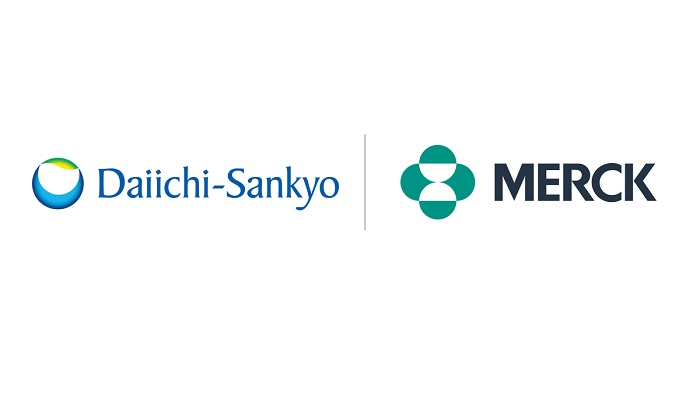
Daiichi Sankyo and MSD have widened their partnership to create and market three DXd-based antibody-drug conjugates (ADCs) all over the world.

DXd is the name of Daiichi Sankyo’s unique ADC technology platform. MK-6070, MSD’s delta-like ligand 3 (DLL3) targeting T-cell engager, will be part of the deal.

As part of its purchase of Harpoon Therapeutics, MSD got MK-6070.

A Phase I/II clinical study is being done to see if this asset could be used to treat neuroendocrine tumors and small cell lung cancer (SCLC).

The companies will work together to make and sell the MK-6070 all over the world, except in Japan, where MSD will have full rights.

For some people with SCLC, the companies want to look into how MK-6070 might work with other possible combos, like ifinatamab deruxtecan (I-DXd).

Furthermore, MSD will receive $170 million in advance payment in addition to meeting a potential payment promise made in the original deal.

The costs of research and development (R&D) and the money made from selling the MK-6070 around the world (except Japan) will be split evenly between the two companies. Royalties will be distributed to Daiichi Sankyo according to sales.

For splitting the costs of research and development for MK-6070 with ifinatamab deruxtecan, the terms set out in the original deal must be followed.

The new connection builds on the one that Daiichi Sankyo and MSD started in October 2023 when they agreed to work together to make and sell three experimental DXd antibody-drug conjugates.

In Japan, these assets can only be used by Daiichi Sankyo. The three names are raludotatug deruxtecan (R-DXd), ifinatamab deruxtecan (I-DXd), and patritumab deruxtecan (HER3-DXd).

Ken Takeshita, head of research and development at Daiichi Sankyo, says that adding a DLL3 T-cell engager to their oncology pipeline helps them reach their goal of establishing global benchmarks for cancer patient care.

They are excited to grow their relationship with Merck now that MK-6070 is part of it. This is because it shows that they are both committed to finding new ways to help patients and could work well with the way they are already working together on antibody-drug conjugates, especially with ifinatamab deruxtecan.


Latest stories

Related stories

Quantum machine learning in pharma research growth

The convergence of artificial intelligence and quantum processing is opening new avenues for rapid discovery and innovation within the life sciences. By utilizing advanced mathematical models that operate across multi-dimensional datasets, researchers can now identify complex biological patterns and predict molecular behaviors with a speed that surpasses traditional computational methods. This transformation is accelerating the development of novel therapies and providing deeper insights into disease mechanisms, fundamentally altering the trajectory of pharmaceutical research and development.

Quantum sensors enabling advanced drug diagnostics

The landscape of medical diagnostics is being reshaped by the introduction of sensing technologies that operate with atomic-level sensitivity. By providing high-fidelity measurements and real-time data, these tools allow for the detection of subtle biological changes and chemical markers that were previously invisible to conventional equipment. This advancement is enhancing the precision of drug testing and clinical monitoring, leading to earlier disease detection and more effective therapeutic interventions across the global healthcare spectrum.

Quantum computing optimizing pharma supply chains

The global distribution of pharmaceutical products is facing unprecedented challenges that demand a new level of logistical precision and resilience. By utilizing advanced analytical models, companies can now navigate complex international networks with greater efficiency, ensuring that temperature-sensitive medicines and life-saving therapies reach their destinations without delay. This evolution toward a more intelligent and responsive supply chain is critical for maintaining public health and responding effectively to emerging medical needs on a global scale.

Quantum security strengthening pharma data protection

Protecting sensitive patient information and proprietary research data is becoming a critical priority as the pharmaceutical industry navigates an increasingly complex digital landscape. By integrating advanced cryptographic methods and secure communication protocols, researchers can ensure the integrity of their clinical findings and the privacy of those involved in medical trials. This shift toward a more resilient digital infrastructure is essential for maintaining public trust and fostering global collaboration in the pursuit of life-saving therapeutic breakthroughs.

Subscribe

- Never miss a story with notifications

- Gain full access to our premium content

- Browse free from any location or device.

Media Packs

Expand Your Reach With Our Customized Solutions Empowering Your Campaigns To Maximize Your Reach & Drive Real Results!

โ€“ Access theMedia Pack Now

โ€“ Book a Conference Call

โ€“ Leave Message for Us to Get Back

Translate ยป