












Close
CDMO Safety Testing 2026
Novotech

The Rising Value of Machine Learning In Pharmaceuticals

Note* - All images used are for editorial and illustrative purposes only and may not originate from the original news provider or associated company.

Subscribe

- Never miss a story with notifications

- Gain full access to our premium content

- Browse free from any location or device.

Media Packs

Expand Your Reach With Our Customized Solutions Empowering Your Campaigns To Maximize Your Reach & Drive Real Results!

โ€“ Access the Media Pack Now

โ€“ Book a Conference Call

โ€“ Leave Message for Us to Get Back

Related stories

Novartis Expands Radioligand Therapy Manufacturing in US

Swiss pharmaceutical company Novartis has started construction of a...

AI-Driven Cold Chains Transforming Pharma Supply Systems

The integration of artificial intelligence into cold chain management is reshaping the pharmaceutical supply landscape. AI-driven cold chains utilize predictive visibility and intelligent thermal control to optimize logistics operations across global networks. By anticipating risks and automating complex decisions, these systems ensure the integrity of temperature-sensitive medications, significantly enhancing the reliability and efficiency of pharmaceutical distribution on a global scale.

Cold Chain Intelligence Enhancing Pharma Logistics Safety

Global pharmaceutical logistics faces unprecedented challenges in maintaining product integrity during transit. Cold chain intelligence offers a sophisticated solution by integrating predictive monitoring and thermal assurance into a connected supply chain. This approach ensures that life-saving medications and vaccines reach their destination without compromising safety or efficacy, marking a significant evolution in healthcare distribution.
- Advertisement -

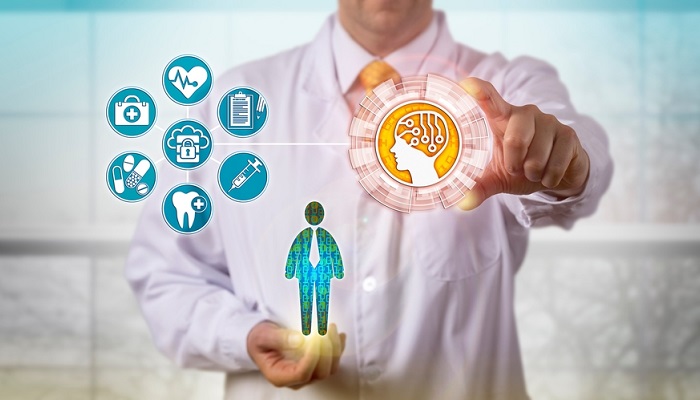
Machine learning, when it comes to the pharma sector, had a value of almost $1.2 billion in 2021, and it is anticipated to touch $26.2 billion in another 10 years, with a CAGR of 37.9% right from 2022 to 2031.

It is well to be noted that a branch of AI called machine learning makes use of statistical models as well as algorithms so as to let computers learn from the data and also make predictions as well as judgements without even being programmed explicitly.

Machine learning algorithms are indeed revolutionising the drug discovery process by speeding up the identification and optimisation of potential drugs.

By way of analysing vast amounts of chemical as well as biological data, machine learning models can go on to predict safety, efficacy, and potential side effects when it comes to drug candidates, thereby leading to a more targeted and efficient development of drugs. Machine learning techniques help in the analysis of patient data that happens to be diverse, such as genomics, clinical records, and proteomics, in order to develop personalised strategies when it comes to treatments. By identifying the patterns and biomarkers, machine learning platforms can go on to aid therapy selection, patient stratification, and patient response prediction for specific treatments.

The fact is that the pharma sector deals with enormous amounts of data pertaining to electronic health records, scientific literature, and clinical trials. Machine learning algorithms can go on to effectively process as well as analyse the data by way of extracting unmatched insights, all in real time. This helps in quick decision-making, better patient outcomes, and identification when it comes to new therapeutic opportunities.

Interestingly, machine learning algorithms can go on to uncover some hidden connections as well as repurpose existing drugs for novel therapeutic indications. By way of analysing large-scale datasets like electronic health records and databases related to molecules, machine learning models can go on to make use of novel methods when it comes to approved drugs, saving resources as well as time throughout the drug development process.

Clinical trial design as well as patient recruitment happen to be important elements when it comes to drug development. Machine learning algorithms can help in analysing historical data, evaluating characteristics of patients, and improving trial outcomes so as to forecast patient enrolment, strengthen protocols of trials, and also pinpoint adverse events as well as potential risks. This leads to more successful and efficient trials, thereby accelerating the timeline for drug development.

Significantly, the machine learning models can go on to analyse event reports that are adverse, take into account social media data as well as scientific literature in order to detect patterns, and also look into warning signs pertaining to the toxicity of drugs or any adverse reactions. By way of flagging potential safety concerns, machine learning algorithms can go on to assist in activities pertaining to pharmacovigilance, making sure of patient safety, and also helping with timely interventions.

In a way, machine learning integration within the pharma sector offers unparalleled potential to transform drug discovery, operational efficiency, and patient care. With the advancement of technology leading to the availability of data, the utilisation of machine learning algorithms can continue to shape the future of pharmaceutical research and development, thereby ending up in more customised and effective treatments.

Never miss a pharmaceutical headline

The pharmaceutical industry moves fast โ€“ stay on top of it with our must - read briefings.

  • The top pharma and life sciences stories, straight to your inbox
  • The biggest news, features, interviews, and analysis
  • Dedicated coverage of the key developments driving the global pharmaceutical sector

Latest stories

Related stories

Novartis Expands Radioligand Therapy Manufacturing in US

Swiss pharmaceutical company Novartis has started construction of a...

AI-Driven Cold Chains Transforming Pharma Supply Systems

The integration of artificial intelligence into cold chain management is reshaping the pharmaceutical supply landscape. AI-driven cold chains utilize predictive visibility and intelligent thermal control to optimize logistics operations across global networks. By anticipating risks and automating complex decisions, these systems ensure the integrity of temperature-sensitive medications, significantly enhancing the reliability and efficiency of pharmaceutical distribution on a global scale.

Cold Chain Intelligence Enhancing Pharma Logistics Safety

Global pharmaceutical logistics faces unprecedented challenges in maintaining product integrity during transit. Cold chain intelligence offers a sophisticated solution by integrating predictive monitoring and thermal assurance into a connected supply chain. This approach ensures that life-saving medications and vaccines reach their destination without compromising safety or efficacy, marking a significant evolution in healthcare distribution.

Digital Supply Networks Strengthening Pharma Delivery

The transition from traditional linear supply chains to integrated digital supply networks is revolutionizing how pharmaceutical products are delivered. By leveraging connected visibility and real-time analytics, these networks enhance the resilience of cold chain operations. This technological evolution ensures that healthcare systems can respond dynamically to shifts in demand while maintaining the highest standards of safety and efficiency for patient care.

Subscribe

- Never miss a story with notifications

- Gain full access to our premium content

- Browse free from any location or device.

Media Packs

Expand Your Reach With Our Customized Solutions Empowering Your Campaigns To Maximize Your Reach & Drive Real Results!

โ€“ Access theMedia Pack Now

โ€“ Book a Conference Call

โ€“ Leave Message for Us to Get Back

Translate ยป