





Every drop of water entering your facility carries regulatory weight. Water purification blends precise science with strict compliance, since trace contamination can compromise sterile products and trigger costly recalls. Understanding how water purification works reveals both the risks at stake and the path to stronger compliance.
Why Is Purified Water Important in Pharmaceutical Manufacturing?
Antiseptic drug products contain purified water as a key ingredient, so any breakdown in water quality can introduce microbial contamination directly into your finished product. That risk carries real regulatory weight, since relying on an unclean water system may violate CGMP regulations and expose your facility to enforcement action.
According to the United States FDA, an agency that regulates products that account for 20 cents of every dollar spent by American consumers, “Contaminated purified water has been the root cause of multiple recalls of antiseptics, including instances of antiseptics contaminated with Burkholderia (previously Pseudomonas) cepacia, an opportunistic pathogen.”
What Is Purified Water in the Pharmaceutical Industry?
Purified water refers to a specific grade of water used as an excipient in drug formulation, distinct from potable water from a municipal tap. Biopharmaceutical manufacturing depends on tightly controlled, high-purity water to protect product integrity and meet regulatory expectations. Achieving that consistency takes more than treatment alone, since it requires sound system design, carefully selected purification technologies, and ongoing operational oversight across the system’s life cycle.
According to MECO a Grundfos Company, a manufacturer of water purification systems since 1939, “In pharmaceutical production, this includes systems designed to generate Purified Water (PW) and Water for Injection (WFI) — utilities that must meet strict pharmacopeial standards and operate with exceptional reliability.”
What Are the FDA Guidelines for Purified Water Systems?
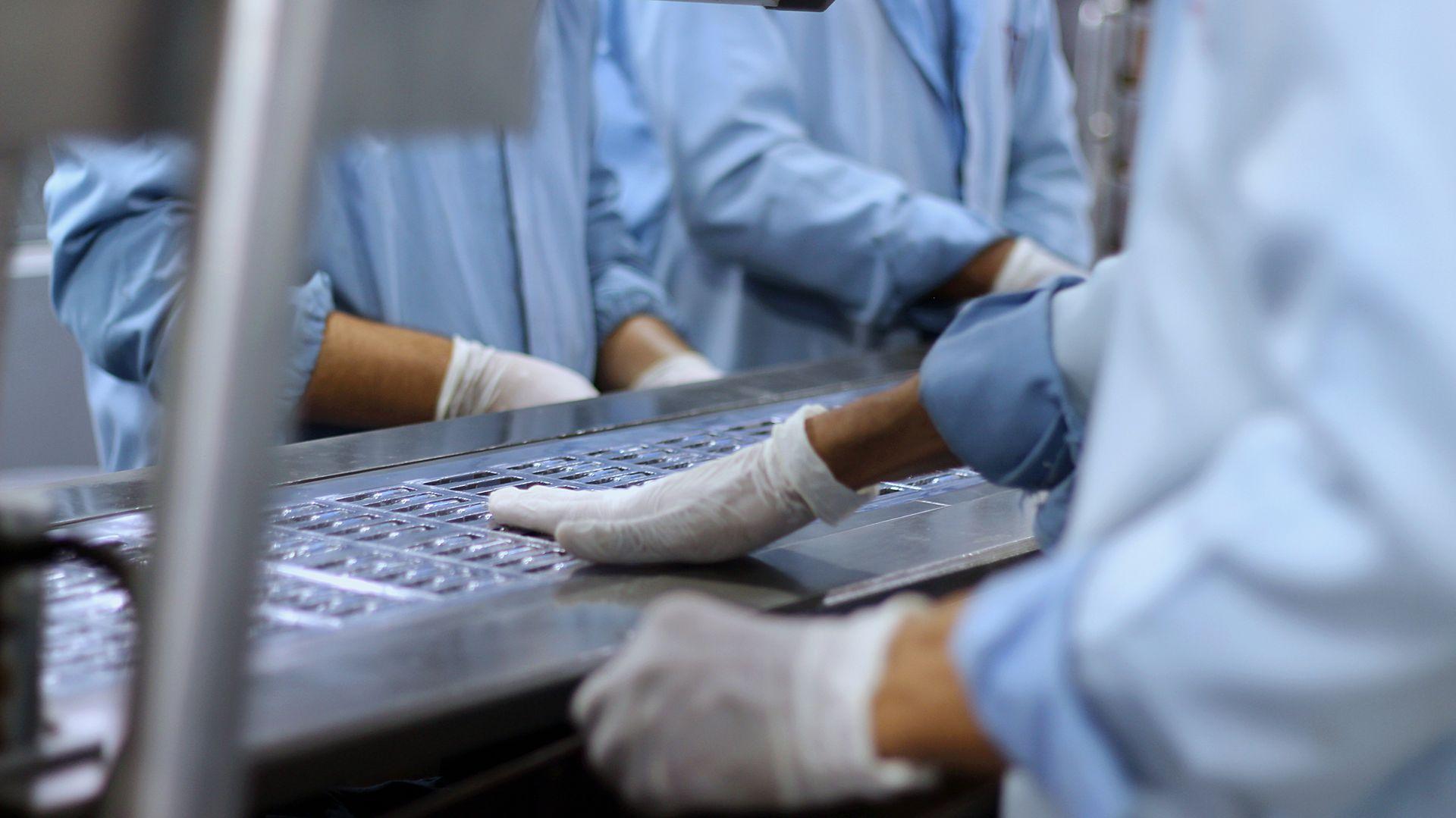
The FDA writes its Guide to Inspections of High Purity Water Systems for agency personnel, particularly investigators conducting facility audits, rather than as a direct how-to for your team. Still, keeping your operations aligned with CGMP requirements builds a stronger defense against contamination and regulatory scrutiny alike.
According to David Jaworski, a senior advisor for scientific affairs at Parenteral Drug Association, sourcing purified water, water for injection and compressed air or nitrogen gas from reputable suppliers is vital, and each batch must have a certificate of analysis. “These materials must be effectively controlled upon receipt, storage and use to prevent contamination of components during cleaning and sterilization [or] depyrogenation,” Jaworski adds.
How Does Water Purification Work for Pharmaceutical Manufacturing?
MECO a Grundfos Company, the organization that patented vapor compression for seawater desalination, explains that water purification works for pharmaceutical manufacturing through a multibarrier approach. “Each technology targets specific contaminant classes and contributes to stability and redundancy,” the company says.
Reverse osmosis forms the foundation of most high-purity water systems, and many facilities pair it with deionization or electrodeionization to pull out the dissolved ions it cannot fully remove on its own. Ultrafiltration then adds a final layer of protection, reducing endotoxin levels and polishing the water before it enters storage or distribution.
How Does a Water Purification System Work?
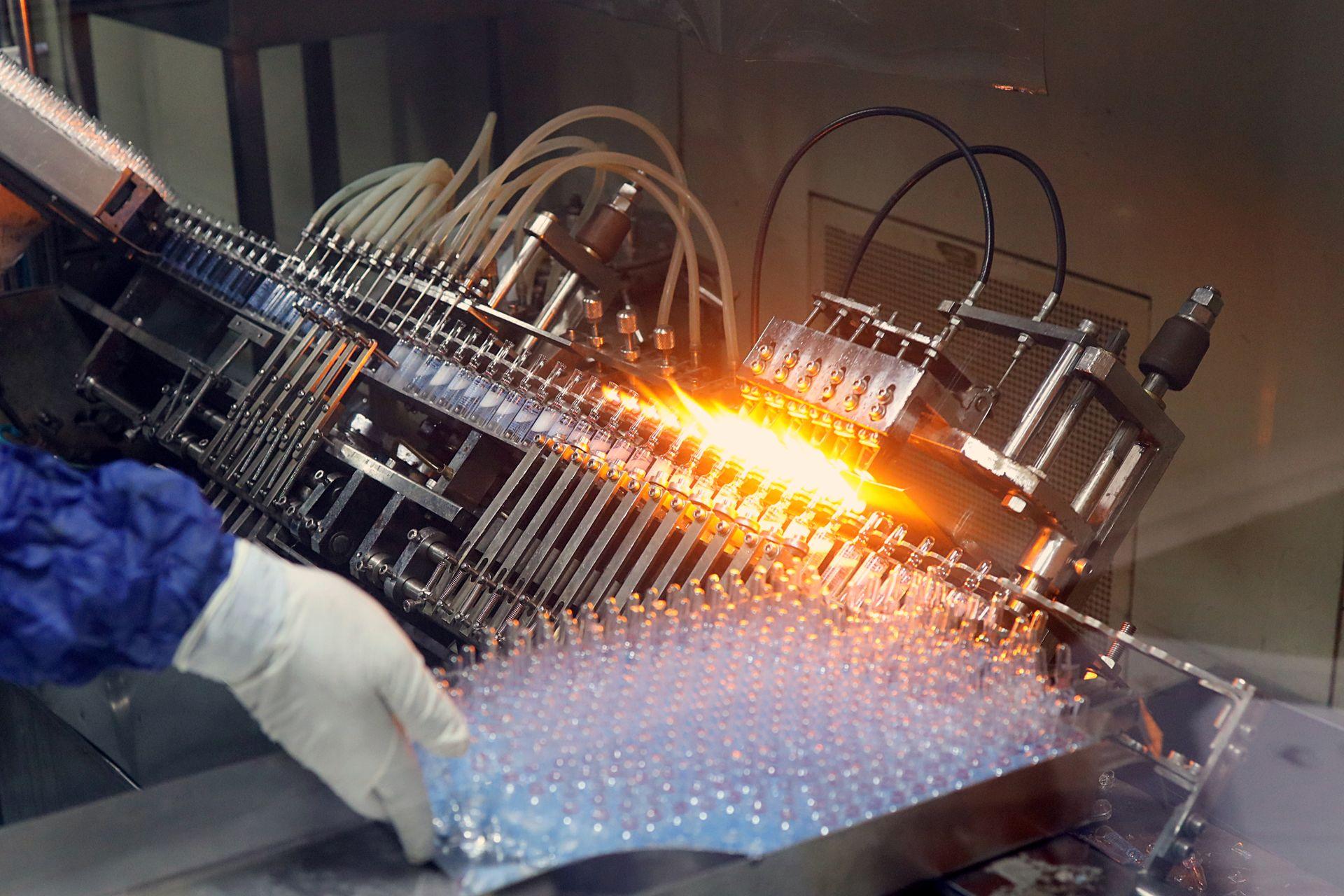
Pharmaceutical water purification systems typically move water through four stages — pretreatment, primary purification, polishing and a continuous distribution loop. Together, these stages transform raw potable water into the high-purity water your operation needs to meet stringent pharmacopeial standards.
For example, reverse osmosis uses a special membrane that removes sediment, microorganisms, dissolved organic matter, and even salts and minerals while allowing water to pass through. The contaminants are discharged into the drain, continuously swept away from the membrane surface.
According to Peter Cartwright, a recipient of the Award of Merit from the Water Quality Association, “One water stream enters the membrane device, and two streams exit. One is purified water (permeate) and the other (concentrate) contains most of the waterborne contaminants. The driving force for this separation is water pressure, usually from a pump.”
Frequently Asked Questions
Decision-makers in the global pharmaceutical and life sciences industries often ask these questions about water purification.
What happens when a pharmaceutical manufacturing process skips purified water?
The risk of microbial contamination rises when a pharmaceutical manufacturing process skips purified water. Water quality issues are a root cause of antiseptic drug recalls.
What are the dedicated FDA guidelines that cover purified water systems?
The FDA does not have dedicated guidelines that cover purified water systems. The agency relies on CGMP regulations to determine whether pharmaceutical manufacturing facilities align with best practices to prevent product contamination.
What purification methods are used to produce pharmaceutical-grade water?
According to MECO a Grundfos Company, the purification methods used to produce pharmaceutical-grade water include reverse osmosis, deionization electrodeionization and ultrafiltration. Each technology is designed to remove a specific class of contaminants from water.
High-Purity Water Is Critical in Pharmaceutical Manufacturing Operations
Water purification sits at the center of compliance, product quality and brand reputation in pharmaceutical manufacturing. Staying current with evolving regulations and investing in advanced purification technology helps protect your facility, your patients, and your standing within the industry.