












The lightning-fast evolution of advanced therapies has placed an intense and necessary spotlight on the critical biological components required for their long-term clinical and commercial success, with the role of GMP cytokines advancing cell therapy manufacturing emerging as a primary strategic focus for the industry. Cytokines represent a broad and diverse category of small proteins that are fundamentally vital for cell signaling and intercellular communication; they play an essential role in directing the growth, specific differentiation, and long-term functional activity of a wide variety of immune and stem cells. Within the specific context of cell therapy, these molecules are indispensable biological tools used to cultivate and manipulate therapeutic cell populations outside the human body in a controlled laboratory or factory environment. As the industry rapidly shifts toward commercial-scale production and global distribution, the requirement for high-quality, clinical-grade cytokines has become a paramount priority. Ensuring that these critical reagents meet the most stringent Good Manufacturing Practice (GMP) standards is not merely a box-ticking exercise for regulators but is a fundamental necessity for maintaining the safety, identity, and clinical efficacy of the final therapeutic product that is eventually infused into a patient.
The Essential Role of Signaling Molecules in Cell Expansion
At the very heart of any successful cell-based therapy lies the ability to expand a relatively small starting population of primary cells often harvested from a patient or a healthy donor into a therapeutically relevant and potent dose. This complex biological process is highly dependent on the precise, timed, and measured application of specific cytokines that are designed to mimic the natural physiological environment of the human body. For example, in the production of Chimeric Antigen Receptor (CAR) T-cell therapies, which have revolutionized the treatment of certain blood cancers, specific interleukins such as IL-2, IL-7, and IL-15 are used in carefully calibrated combinations to stimulate the rapid proliferation and maturation of the modified T cells.
The consistent use of GMP cytokines advancing cell therapy manufacturing ensures that these vital growth factors are entirely free from harmful contaminants and possess a predictable and consistent level of biological activity across different production batches. This level of consistency is absolutely vital because even minor, seemingly insignificant variations in cytokine potency can lead to profound differences in the final cell product’s phenotypic composition and overall functional state, potentially impacting the patient’s clinical outcome or safety profile. By providing a stable and highly predictable environment for cell growth, these GMP-grade reagents enable therapeutic developers to produce high-quality cells with a level of reliability that was previously impossible to achieve. This reliability is the foundation upon which the entire cell therapy industry is built, providing the confidence needed to move these therapies into mainstream clinical use.
Navigating the Complexities of CAR T Production and Scale-Up
The arduous journey from a successful, small-scale laboratory protocol to a commercially viable and globally accessible treatment involves overcoming massive hurdles in CAR T production and biologics scale up. One of the most pressing and difficult challenges is the inherent and unavoidable variability of biological materials, especially when the starting material is derived from a patient who may have undergone multiple previous rounds of chemotherapy or other intensive treatments. To effectively mitigate this natural variability, it is absolutely crucial to standardize every other possible aspect of the manufacturing process, starting with the fundamental raw materials and reagents.
GMP cytokines advancing cell therapy manufacturing provide the essential foundation for this necessary standardization. By utilizing cytokines that are manufactured under strictly controlled, documented, and validated conditions, developers can drastically minimize the risk of introducing unwanted adventitious agents and ensure that the expansion process is as reproducible as scientifically possible. This is particularly important as these therapies move from early-phase exploratory trials into late-phase pivotal clinical trials and eventual commercial production, where the level of regulatory scrutiny is at its highest and the demand for product consistency is absolute. The ability to scale up production without losing the characteristic quality of the cells is the “holy grail” of the industry, and it is made possible only through the use of high-quality, GMP-grade components that provide a steady and reliable stimulus for cell growth and function.
Ensuring Regulatory Compliance and Patient Safety
The global regulatory landscape for advanced therapies is both incredibly rigorous and constantly evolving, with a strong and unwavering emphasis on the quality and provenance of the raw materials used throughout the entire manufacturing process. Major regulatory agencies, such as the Food and Drug Administration (FDA) in the United States and the European Medicines Agency (EMA) in Europe, require detailed and exhaustive documentation regarding the origin, the precise manufacturing method, and the rigorous testing of all components involved in the production of cell therapies. Adhering to GMP standards for cytokine production is a critical and non-negotiable component of this regulatory compliance framework.
GMP cytokines advancing cell therapy manufacturing are always accompanied by a comprehensive and detailed Certificate of Analysis (CoA) and are supported by a robust and audited quality management system that tracks every single step of the production process, from the initial sourcing of raw materials to the final packaging and shipment. This documentation provides the level of transparency and traceability needed to satisfy the highest regulatory requirements and, more importantly, ensures that the cytokines used are safe for human clinical applications. For the patients receiving these innovative and often life-saving treatments, the assurance of absolute safety and quality is paramount; their health and recovery often depend on the precision and the purity of the manufactured cells that have been cultured using these high-grade signaling molecules.
Impact on Regenerative Medicine and Diverse Therapeutic Pipelines
While CAR T-cell therapies have understandably garnered a great deal of public and scientific attention, the influence of GMP cytokines advancing cell therapy manufacturing extends far beyond the field of oncology into the vast and promising broader field of regenerative medicine. From the development of stem cell-based treatments for neurodegenerative diseases like Parkinson’s to the creation of engineered tissues for cardiovascular repair after a heart attack, cytokines are used as the primary biochemical “guides” to direct the development of specialized and functional cell types from undifferentiated precursors.
The ability to produce these specialized cells at an industrial scale and with incredibly high fidelity is what will ultimately allow regenerative therapies to transition from expensive, niche interventions into standard, widely available parts of clinical practice. As the global therapeutic pipelines continue to diversify and mature, the demand for a much wider array of GMP-grade cytokines including complex growth factors like TGF-beta, various Bone Morphogenetic Proteins (BMPs), and a variety of specialized interferons will continue to grow at an exponential rate. This expansion of the cytokine “toolkit” is essential for unlocking the full therapeutic potential of cell therapy and for addressing a vast range of currently unmet medical needs, providing hope to patients with chronic and debilitating conditions for which no effective treatments currently exist.
Optimizing the Bioprocessing Environment for Quality Outcomes
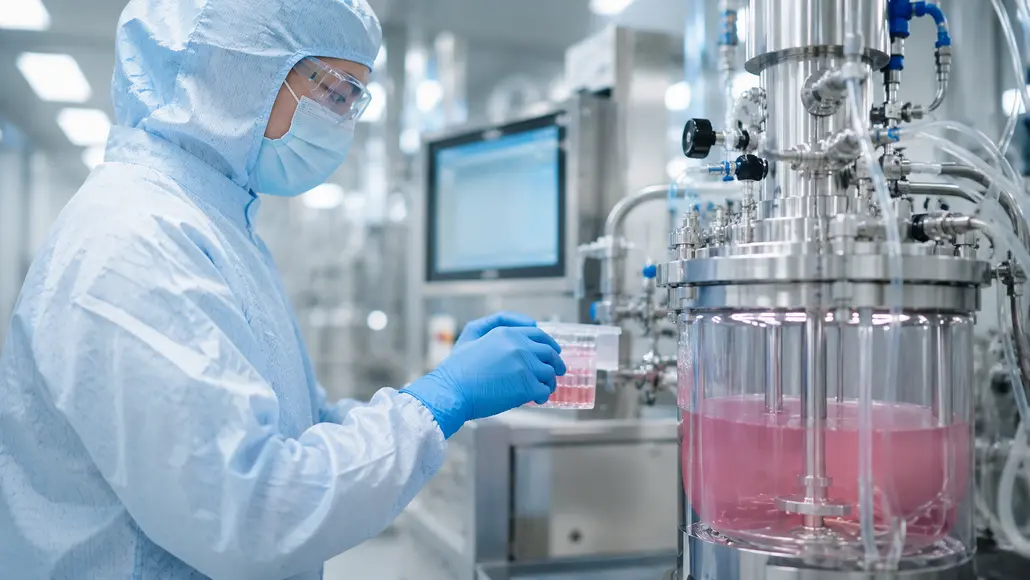
Achieving high-quality and consistent results in cell therapy requires far more than just having the right biological ingredients; it requires the creation of an optimized and highly controlled bioprocessing environment where every single variable is carefully and continuously monitored. The seamless integration of GMP cytokines advancing cell therapy manufacturing into modern automated and “closed” manufacturing systems is one of the most significant trends currently shaping the industry. Automation significantly reduces the risk of human error and accidental contamination, while closed systems provide a completely sterile and protected environment for the handling of sensitive cells.
In these sophisticated and technology-driven setups, the precise dosing, the exact timing, and the specific concentration of cytokine addition can be controlled with an incredibly high level of accuracy and reproducibility, further enhancing the consistency and the potency of the final cell product. This holistic and integrated approach to cell therapy quality brings together high-grade raw materials with the most advanced manufacturing technologies, creating a robust and reliable framework for delivering safe, effective, and life-changing treatments to patients on a global scale. As we continue to refine these processes, the focus will remain on the synergy between biological science and engineering excellence, ensuring that the next generation of cell therapies is built on a foundation of absolute quality and precision.
Conclusion and the Crux of Cell Therapy Success
The continued advancement and eventual success of the cell therapy field are inextricably linked to the quality, the reliability, and the availability of the critical reagents used throughout the manufacturing process. GMP cytokines advancing cell therapy manufacturing represent the definitive “gold standard” for these essential signaling molecules, providing the necessary and absolute assurance of purity, potency, and clinical safety. By supporting the transition to scalable production and ensuring full regulatory compliance, these cytokines are enabling the movement of complex, living therapies from the research bench to the patient’s bedside.
As the industry continues to innovate and push the boundaries of what is possible, the focus on high-quality raw materials will remain a fundamental cornerstone of clinical and commercial success, ensuring that the next generation of cell-based treatments can be delivered with the consistency and the therapeutic efficacy that patients around the world deserve. The crux of this entire endeavor lies in the seamless and quality-driven integration of advanced biological science with the most rigorous industrial manufacturing standards; it is this synergy that is driving the future of medicine and offering new hope for the treatment of some of the most challenging diseases of our time. Through the continued development and application of these high-grade cytokines, the industry is not just manufacturing cells; it is manufacturing hope and a healthier future for all.