
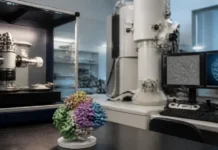












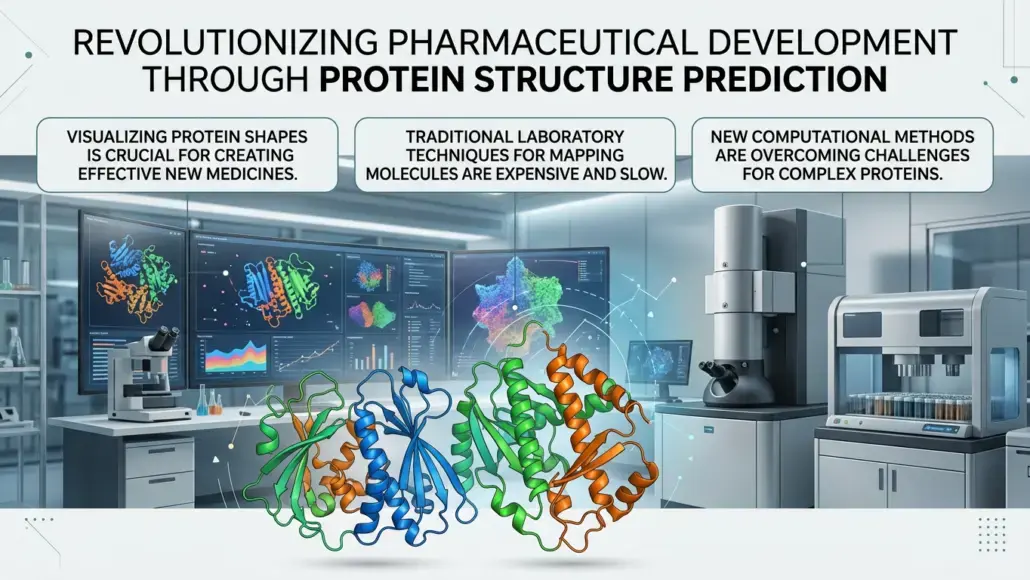
The ability to visualize the three-dimensional architecture of biological molecules is a cornerstone of modern pharmaceutical development. For decades, the industry has relied on experimental techniques such as X-ray crystallography and cryo-electron microscopy to determine the shapes of proteins. While these methods provide high resolution data, they are often time consuming, expensive, and technically challenging, particularly for membrane proteins or large multi protein complexes. The emergence of highly accurate computational models for protein structure prediction has fundamentally altered this landscape. By predicting the spatial arrangement of amino acids with atomic precision, these tools provide a rapid and cost effective alternative to traditional structural determination methods. This change is essential for accelerating the R&D timeline and for addressing targets that have historically been considered “undruggable.”
This advancement allows researchers to move beyond the limitations of experimental structural biology. It is now possible to generate high quality models for thousands of proteins for which experimental structures do not yet exist. This expanded structural coverage is critical for understanding the molecular basis of disease and for identifying novel druggable pockets on previously inaccessible targets. The goal is to integrate these predictive models directly into the drug design workflow, allowing for a more informed and rational approach to molecular synthesis. This transition from experimental reliance to computational empowerment marks a significant milestone in the evolution of the pharmaceutical sciences, enabling a more proactive and systematic exploration of the proteome.
Moreover, the availability of these models has democratized access to structural information. Researchers in smaller organizations or academic labs can now perform structure based drug design without the need for massive capital investment in specialized structural biology facilities. This increase in the breadth of structural information is driving a surge in innovation across the entire industry. As the database of predicted structures continues to grow, our understanding of protein function and interaction is expanding at an unprecedented rate, providing the foundation for the next generation of targeted therapies. The ability to visualize the target in 3D from the earliest stages of a project is now a standard requirement for competitive pharmaceutical research.
Technical Breakthroughs in Deep Learning and Protein Folding
The breakthrough in this field is driven by the application of advanced deep learning architectures that have solved the decades old “protein folding problem.” These models use attention mechanisms and evolutionary information from related sequences to predict the distance and orientation between every pair of amino acids in a protein chain. By iteratively refining these predictions, the algorithms can converge on a 3D structure that is often indistinguishable from experimental results. The accuracy of these models is particularly impressive when dealing with the core domains of proteins, where the folding patterns are more conserved and predictable. This level of precision was previously considered unreachable through computational means alone.
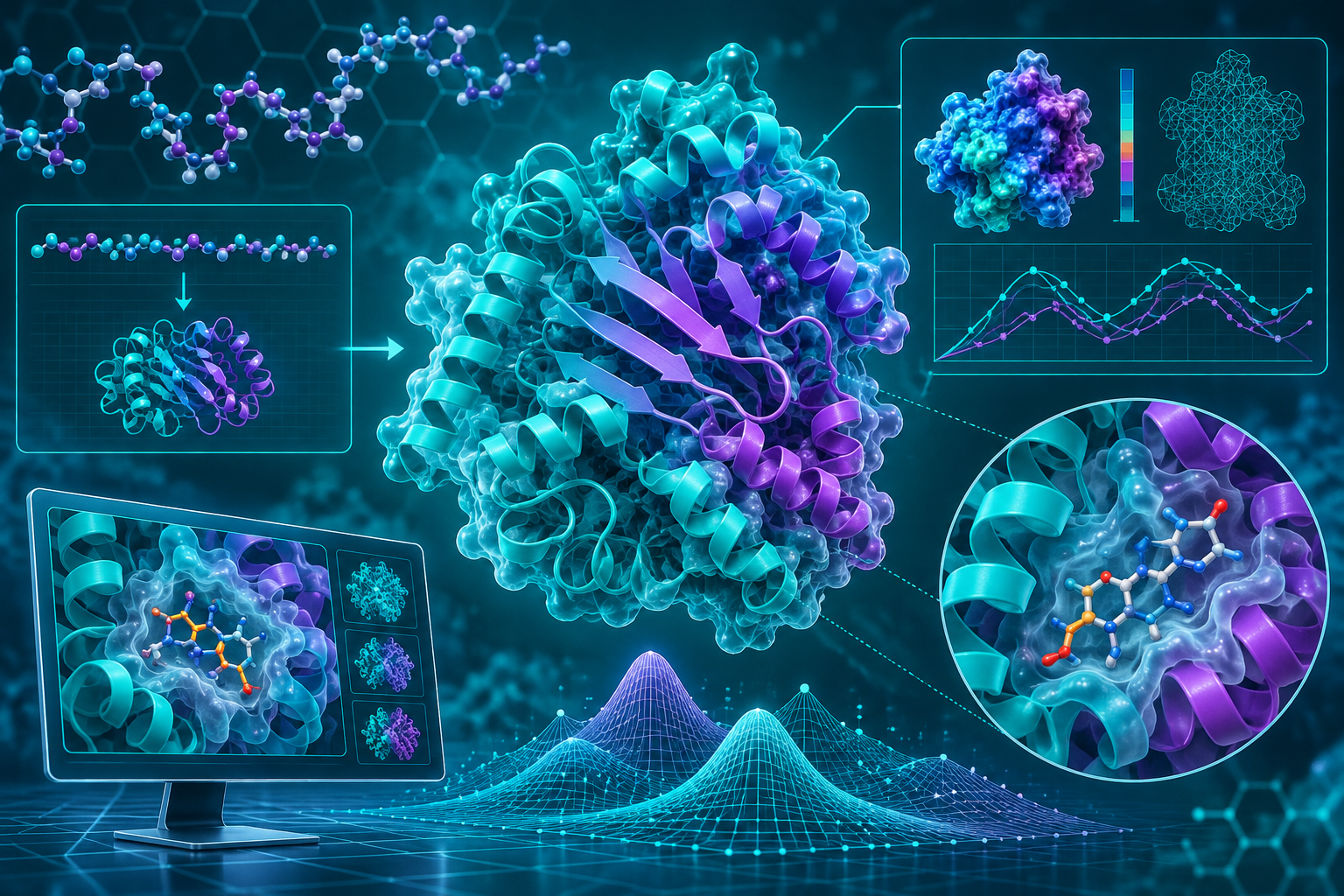
Furthermore, these tools are now being extended to model the dynamics and flexibility of proteins. Proteins are not static structures: they constantly shift and change shape in response to their environment or the binding of other molecules. Understanding this “conformational landscape” is essential for designing drugs that can selectively bind to specific states of a protein, such as an active or inactive form. Advanced structure prediction models can now simulate these conformational changes, providing insights into how a molecule might interact with its target under physiological conditions. This level of detail was previously inaccessible through static experimental snapshots and represents a major leap forward in our ability to design more potent and selective therapeutic agents with fewer off-target effects.
The latest iterations of these models are also beginning to incorporate multi-chain complexes and protein-nucleic acid interactions. This expansion is critical for understanding the complex signaling networks that drive many diseases. By modeling the entire assembly of a biological machine, researchers can identify new ways to disrupt its function. For example, predicting the structure of a transcription factor bound to its DNA target can reveal unique pockets for small molecule intervention. This comprehensive structural view is essential for tackling the most challenging biological targets, where simple single protein models are insufficient to capture the full scope of the disease mechanics.
Accelerating the Design Cycle Through High-Fidelity Modeling
In the context of structure based drug design, the value of high fidelity modeling cannot be overstated. When the structure of a target is known, researchers can use computational tools to design ligands that fit perfectly into the active site, much like a key fits into a lock. This rational design approach significantly reduces the amount of trial and error required in the medicinal chemistry phase. By visualizing the specific interactions between the drug and the target (such as hydrogen bonds, hydrophobic contacts, and van der Waals forces) chemists can make precise modifications to improve binding affinity and selectivity. This level of control is the primary driver of success in modern lead optimisation programs.
The integration of structure prediction into the discovery pipeline offers several practical advantages:
- Rapid identification of binding pockets on novel or difficult to study proteins, including GPCRs and ion channels.
- More accurate modeling of protein-protein interactions, which are increasingly important as therapeutic targets for biologics and small molecules.
- Assessment of the impact of genetic mutations on protein structure and drug binding, facilitating the development of personalized therapies.
- Enabling the design of “bifunctional” molecules such as PROTACs that require precise spatial orientation to bring a target protein into proximity with an E3 ligase.
- Predicting the structural effects of post-translational modifications, which can significantly alter protein function and druggability.
- Accelerating the development of biologics, such as antibodies and enzymes, by providing a detailed view of their binding interfaces.
By reducing the time required to obtain a structural model from months to minutes, these tools allow for a much tighter integration between structural biology and medicinal chemistry. The design cycle becomes more iterative and data driven, with computational hypotheses being rapidly tested and refined. This efficiency is a primary driver of the industry’s ability to tackle increasingly complex biological challenges. The move toward structure-centric discovery is also supported by the fact that molecular property prediction improving lead compound optimisation relies on the high-quality structural data generated in this phase to predict how modifications will affect biological activity and ADMET profiles.
Addressing the Limitations and Future Directions of Predictive Modeling
Despite the remarkable progress in the field, it is important to acknowledge that predictive modeling is an evolving science with specific limitations. While core structures are predicted with high accuracy, the modeling of highly flexible or disordered regions remains a challenge. These regions often play critical roles in protein signaling and regulation, and their exclusion from models can limit our understanding of a target’s full biological context. Additionally, the prediction of protein-ligand docking — the precise orientation of a small molecule within a pocket — is still an area of intense research. To overcome these hurdles, pharmaceutical organizations are investing in hybrid approaches that combine computational predictions with targeted experimental validation, such as hydrogen-deuterium exchange mass spectrometry.
The future of structure prediction lies in the ability to model the “interactome” — the entire network of protein interactions within a cell. By understanding how proteins work together, researchers can identify new ways to intervene in disease processes. There is also a significant push toward predicting the structures of non-protein targets, such as RNA, which are becoming increasingly attractive in drug discovery. The complexity of RNA folding presents a unique set of challenges, but the lessons learned from protein folding are providing a roadmap for progress. As these models become more sophisticated, they will incorporate more physics based constraints and real time experimental data, further bridging the gap between digital simulation and biological reality.
Another promising direction is the integration of structure prediction with artificial intelligence for de novo protein design. Instead of just predicting existing structures, researchers are now using AI to design entirely new proteins with specific functions, such as targeted enzymes or therapeutic decoys. This “inverse folding” approach opens up a vast new chemical space for the development of novel biologics. As our ability to predict and design biological structures continues to improve, the boundaries between natural and synthetic biology will become increasingly blurred. This convergence of disciplines is the key to unlocking the next generation of medical breakthroughs.
Strategic Impact on Competitive Positioning and Innovation
The adoption of advanced structure prediction technologies is a strategic imperative for any pharmaceutical organization looking to maintain a competitive advantage. The ability to rapidly generate structural insights provides a significant head start in the race to identify and validate new targets. This speed to insight translates directly into a faster time to market for novel therapies, which is a critical factor in a industry defined by patent lifecycles and high development costs. Companies that can effectively leverage these tools will be better positioned to pursue “first in class” opportunities and to expand their portfolios into therapeutic areas that were previously considered too structurally complex. This technical leadership is the hallmark of a modern, innovation-driven organization.
Moreover, the democratizing effect of these computational tools allows for a more decentralized and collaborative approach to structural biology. Small biotech companies and academic labs can now access the same level of structural detail as large multinational corporations, fostering a more diverse and vibrant research ecosystem. This increase in the breadth of structural information will inevitably lead to a surge in innovation, as more researchers are empowered to explore the molecular basis of disease. As the industry continues to move toward a more data intensive and computationally driven model, the ability to translate structural insights into therapeutic reality will remain the hallmark of success.
The long term impact of these technologies will be a more efficient, predictable, and successful drug discovery process that delivers better outcomes for patients worldwide. By providing a detailed view of the molecular machinery of life, structure prediction is enabling the development of more effective and safer medicines. The ability to visualize and manipulate the biological landscape at the atomic level is the ultimate goal of pharmacology, and we are now closer to that reality than ever before. The organizations that can most effectively harness the power of these digital tools will be the ones that define the future of medicine, delivering more effective and personalized treatments to patients across the globe.