






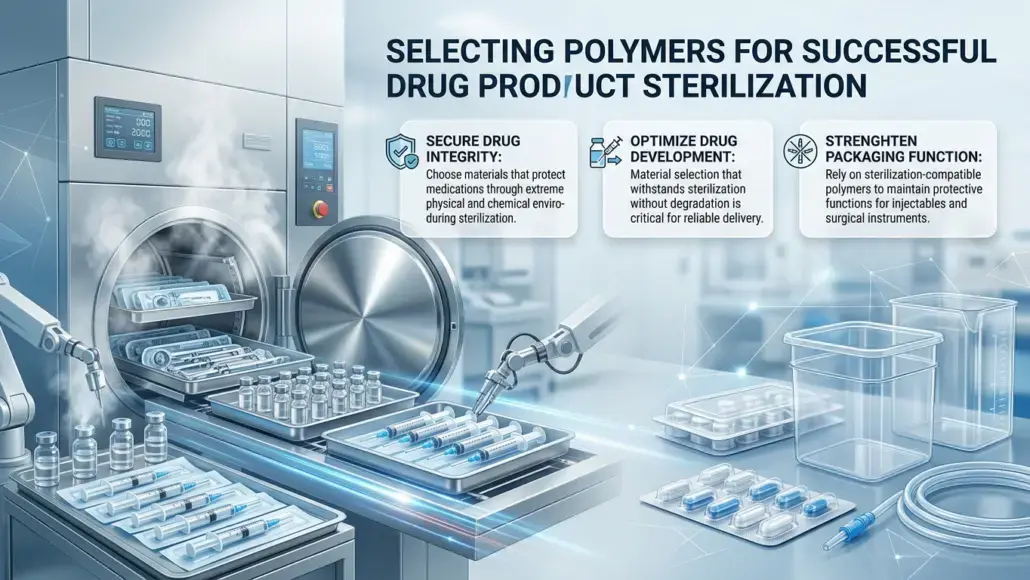
The pharmaceutical industry relies heavily on the maintenance of sterile conditions for a wide range of injectable medications, surgical instruments, and diagnostic tools. Achieving and maintaining sterility is a complex process that involves exposing packaging materials to aggressive physical and chemical environments. The selection of materials that can withstand these processes without compromising their protective functions is a critical aspect of drug development. Sterilization-compatible polymers are specifically engineered to maintain their mechanical strength, optical clarity, and barrier properties after exposure to high-energy radiation, heat, or reactive gases. Without these specialized materials, the risk of packaging failure, microbial contamination, or product degradation would be significantly higher, potentially endangering patient health.
The performance of a polymer during sterilization is determined by its chemical structure and the presence of specialized stabilizers. Different sterilization methods, such as Gamma irradiation, Ethylene Oxide (EtO) gas, and steam autoclaving, interact with polymers in unique ways. For instance, ionizing radiation can lead to chain scission or cross-linking in certain plastics, resulting in brittleness or discoloration. Steam sterilization, on the other hand, requires materials that can maintain their shape and integrity at temperatures exceeding 121 degrees Celsius. Consequently, the use of these advanced materials is essential for ensuring that the primary container remains a reliable barrier throughout the entire lifecycle of the pharmaceutical product.
Thermodynamic Stability Under Gamma Irradiation
Gamma irradiation is a widely used method for sterilizing pharmaceutical packaging due to its high penetration capability and efficacy in eliminating microbial life. However, the high energy of Gamma rays can initiate free radical reactions within the polymer matrix. These radicals can lead to the breaking of molecular chains, a process known as scission, which significantly reduces the tensile strength and flexibility of the material. To combat these effects, manufacturers often incorporate anti-oxidants and radiation stabilizers into the resin. These additives work by scavenging free radicals before they can attack the polymer backbone, thereby preserving the physical properties of the container.
Materials such as cyclic olefin copolymers (COC) and specialized grades of polypropylene are frequently selected for their ability to maintain clarity and strength after irradiation. The testing of these materials involves assessing changes in color, typically measured by a yellowness index, and evaluating mechanical properties such as impact resistance. For drug products that require both microbial sterility and strict humidity control, engineers often utilize desiccant-integrated packaging that can withstand ionizing radiation. This ensures that the active components within the packaging do not lose their efficacy when subjected to the sterilization dose, typically ranging from 25 to 40 kGy. The development of high-performance barrier systems is increasingly focused on the integration of multiple protective functions into a single material. For example, the use of co-extrusion techniques allows for the creation of multi-layer structures where each layer serves a specific purpose, such as moisture adsorption, oxygen barrier, or structural support. This approach helps in reducing the overall thickness of the packaging while maintaining or even improving its protective capabilities. Additionally, the incorporation of antimicrobial agents into the polymer matrix can provide an extra layer of protection against accidental contamination during handling or administration. These innovations are particularly relevant for biologics and other highly sensitive therapies that require the most stringent environmental controls. In addition, the industry is exploring the use of smart packaging features, such as temperature and humidity indicators, that can provide real-time information on the status of the sterile barrier throughout the supply chain. This transparency helps in building trust with regulators and patients alike, ensuring that the highest standards of quality are maintained at every step. The move toward data-driven quality control is a significant trend in the pharmaceutical sector, and packaging materials are at the forefront of this shift. By providing a measurable and verifiable record of the environmental conditions, these systems allow for more proactive risk management and a faster response to any potential issues.
Effects of Ethylene Oxide on Structural Integrity
Ethylene Oxide sterilization is preferred for heat-sensitive and moisture-sensitive pharmaceutical products. This process involves the diffusion of EtO gas through the packaging material to kill microorganisms. While EtO is highly effective, the polymer must be permeable enough to allow the gas to enter and leave the package while maintaining a high bacterial barrier. In addition, the polymer must be resistant to the chemical effects of the gas and the humidity levels used during the sterilization cycle. One of the primary concerns with EtO is the potential for residual gas to remain trapped within the polymer, which could later migrate into the drug product.
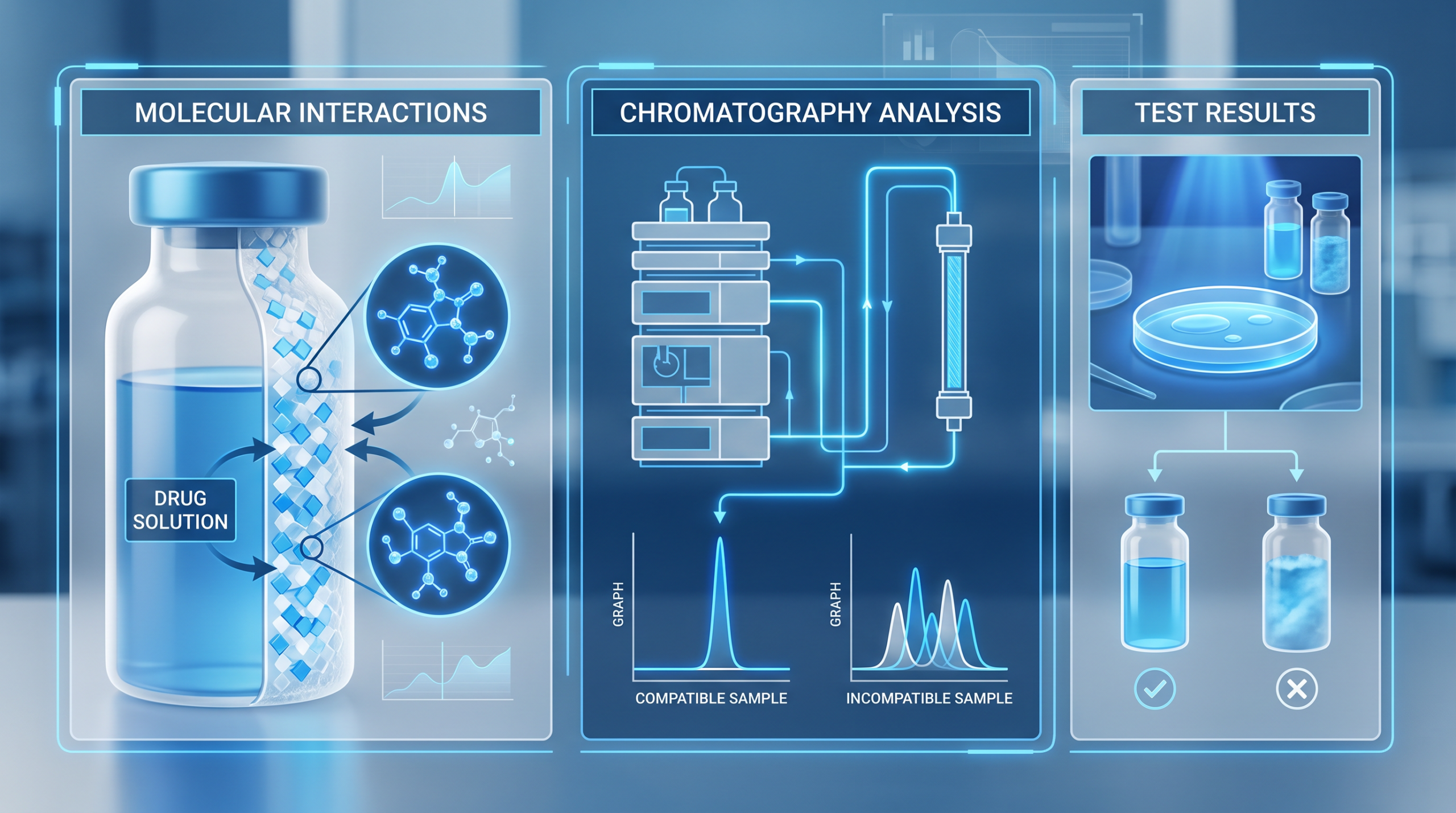
Polycarbonate and certain polyester grades are often chosen for EtO applications due to their excellent dimensional stability and low gas absorption characteristics. The validation of these materials involves measuring the rate of gas aeration to ensure that residual levels are below safety thresholds. The use of these chemical-resistant materials in this context ensures that the packaging does not become brittle or lose its seal integrity after multiple cycles of gas exposure and aeration. This is particularly important for complex delivery systems where multiple components must work together to ensure a safe and effective dose delivery.
Autoclaving Resilience in High Performance Thermoplastics
Steam sterilization, or autoclaving, is one of the oldest and most reliable methods for achieving sterility. However, the combination of high temperature and high pressure presents a significant challenge for many common plastics. Many polymers have low heat deflection temperatures, meaning they can warp or melt during the autoclaving process. High-performance thermoplastics such as polyetheretherketone (PEEK) and certain fluoropolymers are often employed for their exceptional thermal stability. These materials can withstand repeated exposure to steam without losing their shape or barrier functions.
- Maintenance of the hermetic seal during pressure fluctuations.
- Resistance to hydrolytic degradation in high-moisture environments.
- Preservation of dimensional tolerances for precision components.
- Prevention of leachable migration under high-heat conditions.
The selection of these high-performance materials is often driven by the need for reusable medical devices or for primary packaging that must be sterilized along with the drug product in a terminal sterilization process. The cost of these polymers is typically higher, but the investment is justified by the increased safety and reliability of the final product. Manufacturers must also ensure that the seals and closures used in these systems are equally resistant to the stresses of autoclaving, as a single point of failure can compromise the sterility of the entire batch.
Material Degradation Pathways and Safety Protocols
Understanding the degradation pathways of polymers during sterilization is essential for developing safe and effective packaging solutions. Over time, even the most stable polymers can undergo changes that affect their performance. Photo-oxidation, thermal degradation, and chemical attack can all contribute to the aging of the packaging material. To mitigate these risks, pharmaceutical companies implement strict safety protocols that include periodic testing of the packaging integrity and chemical purity. These protocols are often integrated into the overall quality management system, ensuring that every batch of product meets the required standards.
The use of sterilization-compatible polymers allows for a more predictable and controlled degradation profile. By selecting materials with known resistance to specific sterilization methods, manufacturers can avoid unexpected failures and ensure a consistent level of protection for the life of the product. The documentation of these properties is a core requirement for regulatory approval, providing the evidence necessary to demonstrate that the packaging is suitable for its intended use. This level of rigor is essential for maintaining public trust in the safety and efficacy of pharmaceutical products.
Future Directions for Sterile Barrier Systems
As the pharmaceutical industry moves toward more personalized and complex therapies, the requirements for sterile barrier systems are also evolving. The development of new polymer blends and advanced coating technologies is providing even greater protection against a wider range of sterilization methods. For example, the use of plasma-based sterilization techniques is gaining popularity for heat-sensitive biologics, and new polymers are being developed to withstand this process. Additionally, the move toward more sustainable packaging is driving the research into bio-based polymers that can meet the rigorous performance standards of the pharmaceutical industry.
In the final analysis, the role of sterilization-compatible polymers in supporting pharmaceutical packaging integrity cannot be overstated. The ability to maintain a sterile environment is a fundamental requirement for the safe delivery of modern healthcare. These materials provide the foundation for a wide range of therapeutic interventions, from routine vaccinations to complex surgical procedures. The ongoing investment in material science is essential for meeting the evolving needs of the pharmaceutical industry, particularly as new therapies become more sensitive and delivery systems more sophisticated. The collaboration between polymer chemists, packaging engineers, and regulatory experts is the key to developing the next generation of sterile barrier systems. By working together, these professionals can ensure that the highest standards of safety and efficacy are maintained, regardless of the challenges posed by new drug formulations or emerging sterilization techniques.
The future of the industry lies in the development of materials that are not only high-performing but also sustainable and cost-effective. The continued research into bio-based polymers and more efficient manufacturing processes will drive further improvements in the environmental footprint of sterile packaging. Ultimately, the goal is to provide patients with the best possible outcomes, and high-quality, sterilization-compatible materials are a vital part of that mission. The commitment to innovation and quality will ensure that the pharmaceutical industry remains at the forefront of global healthcare, providing life-saving treatments to those who need them most. The importance of these materials will only grow as the demand for sterile therapies increases, making them a cornerstone of modern pharmaceutical manufacturing and patient care. The ability to precisely control the properties of these polymers ensures that they can meet the most demanding requirements of today’s healthcare environment. By providing a durable and reliable barrier against microbial contamination, these materials ensure that life-saving medications reach patients in a safe and effective state. The continued innovation in material science will play a vital role in meeting the challenges of modern medicine, from the delivery of complex biologics to the development of sustainable healthcare solutions. The commitment to quality and safety remains the primary driver of these advancements, ensuring that the pharmaceutical industry continues to provide the highest level of care to patients around the world. The ongoing collaboration between polymer scientists and packaging engineers will be the key to realizing these future goals, as the industry continues to strive for excellence in every aspect of drug production and delivery.