













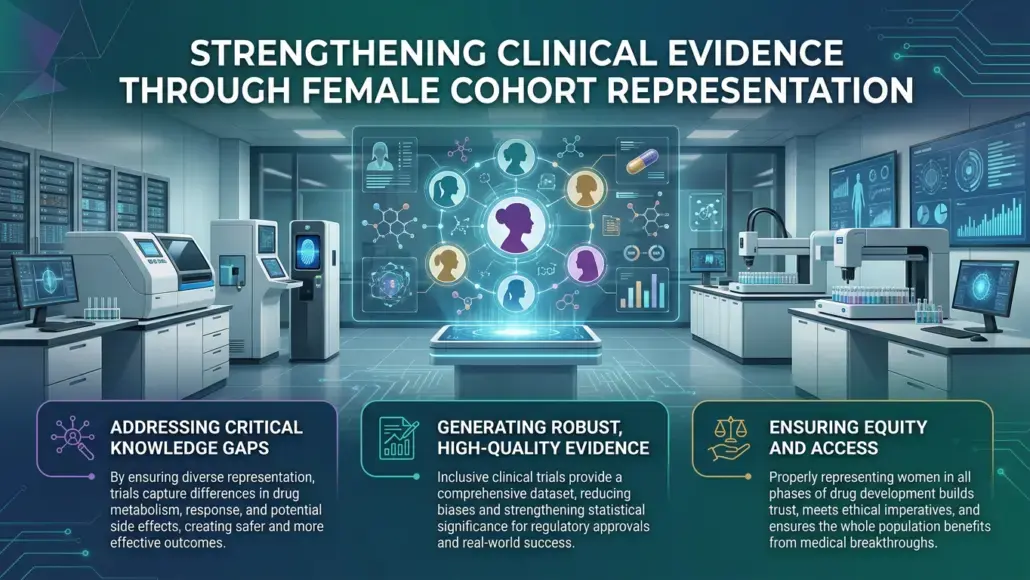
The pharmaceutical industry is undergoing a fundamental shift in how it approaches patient diversity within clinical research. For decades, clinical trials often under-represented women, leading to gaps in knowledge regarding drug safety and efficacy for a significant portion of the population. Today, the focus on female cohort representation is recognized as a critical component of generating high-quality clinical evidence. By ensuring that women are adequately represented in all phases of drug development, researchers can identify sex-specific responses that were previously obscured by male-dominated data sets. This commitment to inclusivity is not just a matter of social justice: it is a scientific imperative that improves the reliability of therapeutic outcomes.
Achieving meaningful representation requires more than just meeting enrollment quotas. It involves designing trials that account for the unique biological and social factors that influence female health. From hormonal fluctuations to different disease presentations, the variables that define the female experience must be integrated into the trial framework. By prioritizing increased diversity in clinical trials, pharmaceutical companies can build a more comprehensive understanding of how their products interact with the female body. This depth of insight is essential for developing accurate dosing guidelines and identifying potential adverse reactions before a drug reaches the broader market. The industry is now utilizing advanced recruitment strategies to ensure that trials reflect the diversity of the real-world patient population. This includes a strategic emphasis on hormonal pathway research to account for physiological changes across the lifespan.
Integrating diverse cohorts strengthens the overall credibility of the research. Regulatory bodies are increasingly scrutinizing the diversity of trial participants, and companies that demonstrate a strong commitment to inclusivity are more likely to see a smooth approval process. The focus on inclusive research practices is a key part of meeting these global standards, ensuring that drugs approved in one region are safe and effective for women everywhere. As drug discovery moves toward personalized medicine, the ability to analyze data from a wide range of female patients is a significant competitive advantage. This analytical depth ensures that the resulting medications are both safe and effective for the people who need them most.
Enhancing Trial Design and Data Granularity
Improving the quality of clinical evidence starts with a reassessment of trial design protocols. Traditional models often relied on a “standard” patient profile that was overwhelmingly male, assuming that results could be extrapolated to women without significant loss of accuracy. However, we now know that sex-specific biological differences can lead to variations in drug metabolism and efficacy. By incorporating these specific recruitment goals into the very foundation of trial design, researchers can ensure that these differences are captured from the outset. This proactive approach leads to a more comprehensive and detailed dataset, providing the evidence needed to make informed clinical decisions. Modern trial design improvements focus on:
- Decentralized trial models to reduce the logistical burden on female participants with complex caregiving responsibilities.
- Adaptive trial designs that allow for the modification of enrollment criteria based on early sex-specific safety signals.
- Implementation of digital screening tools to identify and recruit women from historically under-represented ethnic and geographic backgrounds.
- Mandatory inclusion of diverse hormonal status groups to ensure data reflects the realities of pregnancy and menopause.
Regulatory Alignment and Global Health Equity
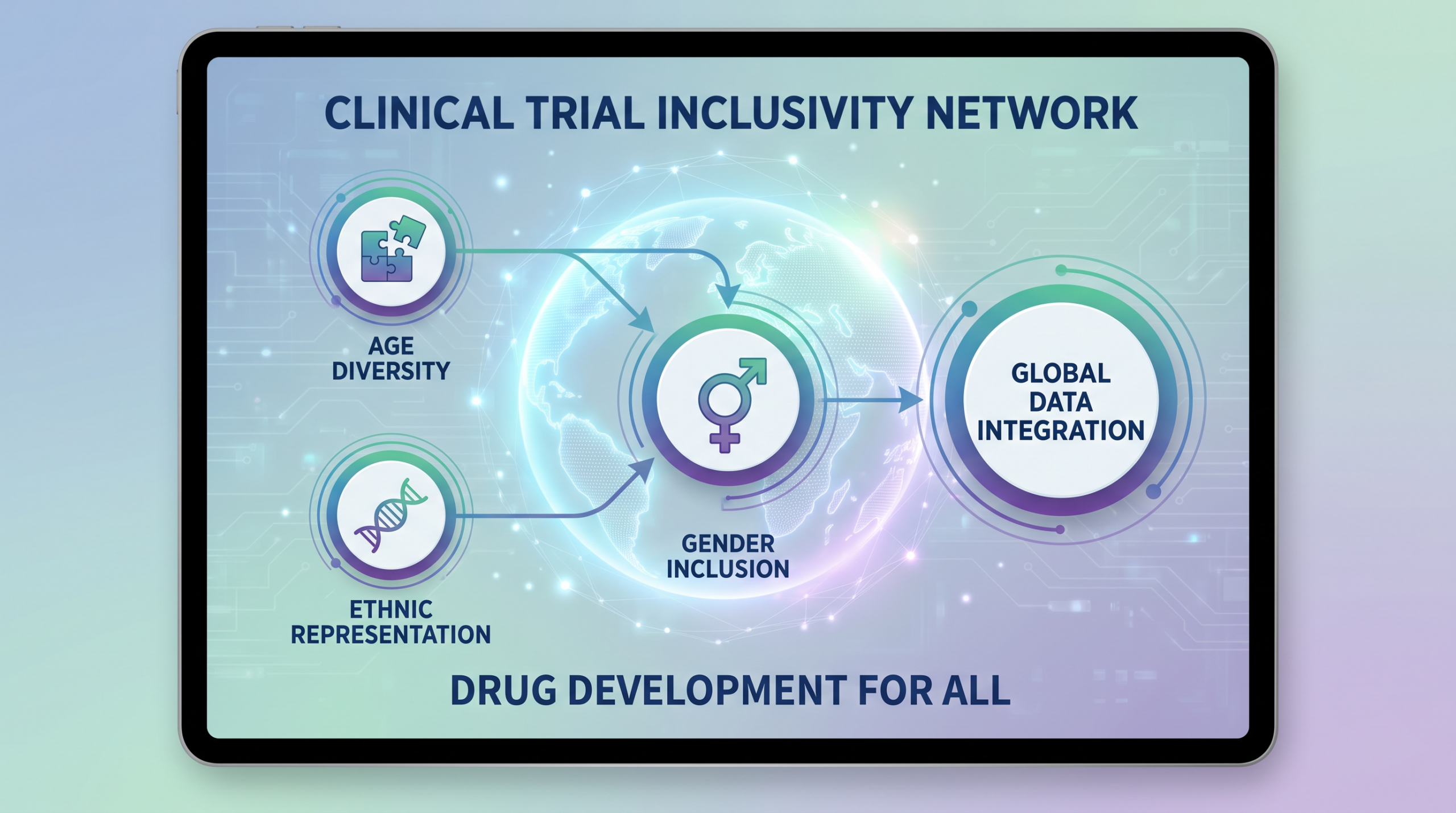
Aligning clinical research with the goals of global health equity is a top priority for the pharmaceutical sector. Regulatory agencies around the world are emphasizing the need for data that reflects the diversity of the human population. The focus on female cohort representation is a key part of meeting these global standards, ensuring that drugs approved in one region are safe and effective for women everywhere. By building inclusive trials, companies can streamline their international approval processes and reach more patients in need. This strategic alignment reduces the risk of market delays and enhances the global reputation of the pharmaceutical brand.
The collaboration between industry, academia, and patient advocacy groups is essential for advancing this cause. By working together, these stakeholders can develop best practices for recruitment and retention of female trial participants. This collective effort ensures that the industry remains at the forefront of ethical and scientific excellence. The shared goal of improving health outcomes for women through better clinical inclusion is a powerful motivator for innovation. As we continue to break down the barriers to inclusive research, the potential for breakthrough treatments grows exponentially. This collaborative spirit is essential for tackling the complex health challenges of the 21st century.
Notably, the transparency provided by inclusive trials builds trust with the public. When patients see that people like them were included in the research, they are more likely to have confidence in the resulting medications. This trust is vital for the success of new therapies and the overall health of the community. The pharmaceutical industry has a unique opportunity to lead by example, demonstrating that scientific progress and social responsibility go hand in hand. Every step forward in clinical representation is a step toward a more equitable and effective healthcare system for everyone.
Future Perspectives in Clinical Inclusivity
Looking ahead, the importance of representation will only continue to grow as we move toward more specialized and personalized therapies. The development of new technologies, such as decentralized clinical trials and digital health tools, is making it easier to reach diverse populations. These innovations allow for greater inclusivity by reducing the logistical barriers that often prevent women from participating in research. By leveraging these tools, the industry can build trials that are more inclusive, efficient, and representative of the real world. This future relies on a continued commitment to diversity and a willingness to embrace new ways of working.
In addition to improving current research, the focus on representation is laying the groundwork for future discoveries. By building large, diverse datasets today, we are providing the foundation for the breakthroughs of tomorrow. The lessons learned from the focus on specialized diversity will be applied to other under-represented groups, leading to a more comprehensive understanding of human health. This ongoing journey toward inclusivity is a testament to the power of scientific inquiry and its ability to drive meaningful change. The dedication to providing the best possible care for all patients remains the driving force behind the pharmaceutical industry’s success.
Ultimately, the goal of all clinical research is to improve the lives of patients. When we prioritize the unique needs of women and ensure their voices are heard in the research process, we create a healthcare ecosystem that is more responsive and effective. The transition toward greater representation is a success story for evidence-based medicine and a commitment to providing the best possible care for everyone, regardless of biological sex. The progress made today will have a lasting impact on the lives of millions, ensuring that the next generation of therapies is safer, more effective, and more inclusive than ever before.
Strategic Frameworks for Evidence Based Excellence
Developing a strategic framework for clinical excellence involves a deep commitment to the principles of diversity and inclusion. The use of specialized recruitment strategies and inclusive trial designs provides the foundation for this framework, allowing for more precise and effective research. By combining these efforts with a focus on high-quality data collection, we can significantly improve the reliability of clinical evidence. This comprehensive strategy is essential for improving public health outcomes and maintaining the competitive edge of the pharmaceutical industry. The commitment to excellence in research remains a top priority for leaders across the sector.
Education and training are also critical components of this strategy. By informing researchers and clinicians about the importance of sex-specific data, we can ensure that these principles are integrated into every stage of the drug development process. The industry has a role to play in advocating for better research practices and more inclusive healthcare policies. This commitment to social responsibility, paired with scientific excellence, is creating a brighter future for health globally. Every new discovery made through inclusive research brings us one step closer to a world where every patient has access to the specialized care they deserve.
The evolution of clinical trial representation is a testament to the power of dedicated scientific inquiry. By embracing the complexity of the human population and investing in inclusive research, the industry has made significant strides in improving health outcomes for women. The progress made today will have a lasting impact on the health and well-being of future generations. The dedication to scientific rigor and patient-centric design remains the driving force behind this transformation, proving that when we focus on the needs of all patients, the entire healthcare system benefits. The journey toward total inclusivity continues, driven by the promise of better science and a healthier world.