














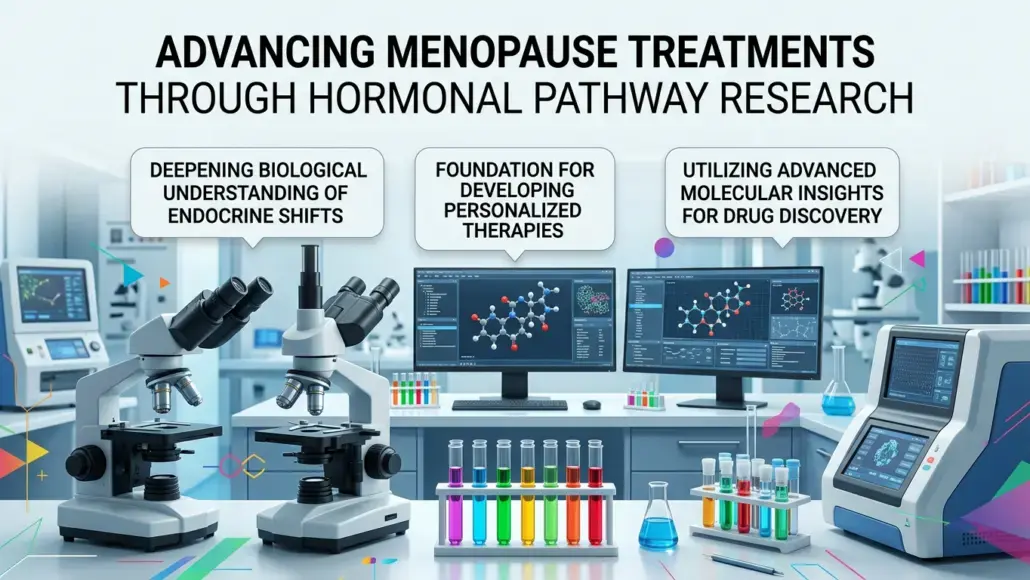
The pharmaceutical sector is witnessing a renewed focus on the complex biological changes associated with the transition into menopause. Central to this evolution is the depth of hormonal pathway research, which provides the foundation for developing more effective and personalized therapies. For decades, menopause was treated with a generalized approach, often overlooking the intricate variations in how individual women experience endocrine shifts. Today, researchers are utilizing advanced molecular techniques to map these pathways with greater precision, identifying new targets for drug intervention that minimize side effects and maximize long-term health benefits. This shift represents a significant move toward understanding the long-term impact of hormonal fluctuations on overall systemic health. The study of these mechanisms allows scientists to create pharmacological models that predict how a patient will respond to hormone modulation.
Understanding the interaction between estrogen, progesterone, and other signaling molecules is critical for the next generation of menopause management. Hormonal pathway research is uncovering how these chemicals influence not only reproductive health but also cognitive function, bone density, and metabolic rate. As the global population ages, the demand for sophisticated treatments that address these multifaceted symptoms is increasing. Pharmaceutical companies are responding by investing in early-stage studies that explore the nuances of receptor sensitivity and feedback loops within the endocrine system. This analytical approach allows for the development of compounds that can modulate specific pathways without affecting others, leading to a more targeted therapeutic profile. Identifying these sex-specific outcomes requires a deep understanding of real-world data analysis to ensure clinical trial results reflect actual patient experiences.
The integration of genetic data and proteomic analysis has further accelerated the progress in this field. By identifying specific genetic markers that correlate with different menopausal experiences, scientists can tailor treatments to the unique biological signature of each patient. This level of precision is made possible through ongoing analytical efforts, which serve as the bridge between basic science and clinical application. The result is a more diverse pipeline of products that offer women more choices and better control over their health during this significant life transition. As research continues to evolve, the focus on these underlying biological mechanisms will remain a top priority for drug developers worldwide.
Precision Targeting of Endocrine Signaling Pathways
The development of targeted menopause treatments relies on the ability to isolate and influence specific endocrine signals. Conventional hormone replacement therapies often provide a broad systemic effect, which can lead to unwanted complications for some patients. However, recent breakthroughs in hormonal pathway research have identified selective estrogen receptor modulators and other agents that offer a more localized impact. These innovations allow for the treatment of specific symptoms, such as vasomotor instability or bone loss, without the broad risks associated with older formulations. By focusing on the exact mechanism of action, pharmaceutical firms can improve the safety profile of their products.
Research into the hypothalamus-pituitary-adrenal axis has also yielded significant insights into how menopause affects stress responses and mood regulation. By mapping these specific connections, drug developers are creating therapies that address the psychological and neurological symptoms of menopause with greater efficacy. This specialized focus is a direct result of comprehensive investigative work, which continues to challenge existing paradigms in women’s health. The move toward site-specific therapy represents a major advancement in the field, promising a future where menopause treatments are as individualized as the women who need them. Modern therapeutic approaches often prioritize:
- Selective modulation of estrogen receptor alpha to target vasomotor symptoms without increasing uterine tissue proliferation.
- Evaluation of neurokinin B signaling pathways to develop non-hormonal alternatives for thermoregulation management.
- Mapping of osteoblast-specific hormonal sensitivity to refine bone density maintenance protocols during late-stage menopause.
- Analysis of mitochondrial function in relation to progesterone fluctuations to address menopause-related fatigue and metabolic shifts.
Molecular Mechanisms and Therapeutic Optimization

Optimization of menopause treatments requires a granular understanding of the molecular mechanisms at play during the cessation of ovarian function. Scientists are now able to observe how specific cell types respond to changes in hormone levels in real time, providing a wealth of data for drug discovery. This molecular perspective is central to these investigative efforts, allowing for the identification of previously unknown signaling molecules that could serve as therapeutic targets. By understanding the “crosstalk” between different hormonal systems, researchers can design combination therapies that provide synergistic benefits for patients. The ability to visualize these interactions at a cellular level has revolutionized the drug discovery process.
The role of the microbiome and its influence on hormone metabolism is another emerging area of interest. Research suggests that the gut-lung-brain axes are all influenced by menopausal shifts, and that the composition of the microbiome may play a role in how a woman responds to therapy. This holistic view is increasingly being integrated into the broader scope of clinical research, reflecting the industry’s commitment to comprehensive patient care. As our understanding of these interactions grows, so does the potential for creating treatments that improve not only the symptoms of menopause but also the long-term quality of life for aging women.
Data integrity and the use of specialized data models are also critical in this field. By tracking how large cohorts of women respond to different treatments over time, researchers can refine their understanding of hormonal pathways. This real-world evidence complements the findings from controlled clinical trials, providing a more complete picture of therapeutic efficacy. The synergy between laboratory research and real-world observation is driving the development of more resilient and effective pharmaceutical products. This data-driven approach ensures that new therapies are grounded in the actual experiences of the patient population.
Future Perspectives in Endocrine Research and Innovation
The future of menopause treatment lies in the continued exploration of the nuances of female biology. As new technologies like CRISPR and artificial intelligence become more accessible, the ability to map and manipulate hormonal pathways will reach new heights. The ongoing commitment to this field will ensure that these tools are used to their full potential, leading to breakthroughs that were once considered impossible. The industry is moving toward a model where menopause is viewed not as a condition to be managed, but as a period of health that can be optimized through science.
Innovation in delivery systems, such as long-acting injectables and transdermal patches, is also being driven by insights into hormone kinetics. By understanding how the body absorbs and utilizes different compounds over time, researchers can design delivery methods that maintain steady-state levels of medication. This reduces the fluctuations that often lead to side effects and improves patient compliance. These practical advancements are the direct result of a deep focus on the underlying biological mechanisms discovered through rigorous scientific inquiry. The focus remains on providing the best possible outcomes for women through a combination of advanced science and patient-centric design.
In addition, the global shift toward health equity is encouraging more investment in women’s health research. For too long, menopause was an underfunded area of study, but that is rapidly changing as the economic and social impact of the menopausal transition is better understood. The pharmaceutical industry is at the forefront of this change, using specialized data to advocate for better care and more effective treatments. This commitment to social responsibility, paired with scientific excellence, is creating a brighter future for women’s health globally. Every new discovery in this field brings us one step closer to a world where every woman has access to the specialized care she deserves.
Strategic Roadmap for Women’s Health Excellence
Establishing a strategic roadmap for the development of menopause therapies involves a multi-disciplinary approach. Collaboration between endocrinologists, pharmacologists, and data scientists is essential for translating laboratory findings into clinical successes. The focus on hormonal pathway research provides a common language for these different disciplines, allowing for a more integrated and efficient development process. By sharing resources and knowledge, the industry can overcome the challenges of complex biological systems and bring new therapies to market more quickly. This collaborative spirit is a defining characteristic of the modern pharmaceutical sector.
Strategic alignment with patient advocacy groups also ensures that the research remains relevant to the needs of the end user. By listening to the concerns and experiences of women, drug developers can prioritize the symptoms that matter most to patients. This patient-centered approach is reinforced by the findings of hormonal pathway research, which often validates the subjective experiences of women with objective biological data. The result is a more empathetic and effective healthcare system that values the voices of those it serves.
Ultimately, the goal of these efforts is to redefine what is possible in the field of women’s health. By investing in the fundamental science of hormonal pathways, the pharmaceutical industry is laying the groundwork for a new era of therapeutic success. The progress made today will have a lasting impact on the health and well-being of future generations of women. The commitment to excellence in research and development remains the driving force behind the industry’s success, ensuring that science continues to serve the needs of humanity in profound and meaningful ways. The evolution of menopause treatment is a testament to the power of dedicated scientific inquiry and its ability to transform lives for the better.